We continue our journey through Normandy with the last four stops. After a brief leap into the future visiting the modern Le Havre, we will take a journey into an Impressionist painting along the cliffs of Étretat, the characterful streets of Rouen and Monet's pink house in Giverny. Ready to go?

Le Havre: modern architecture and UNESCO World Heritage
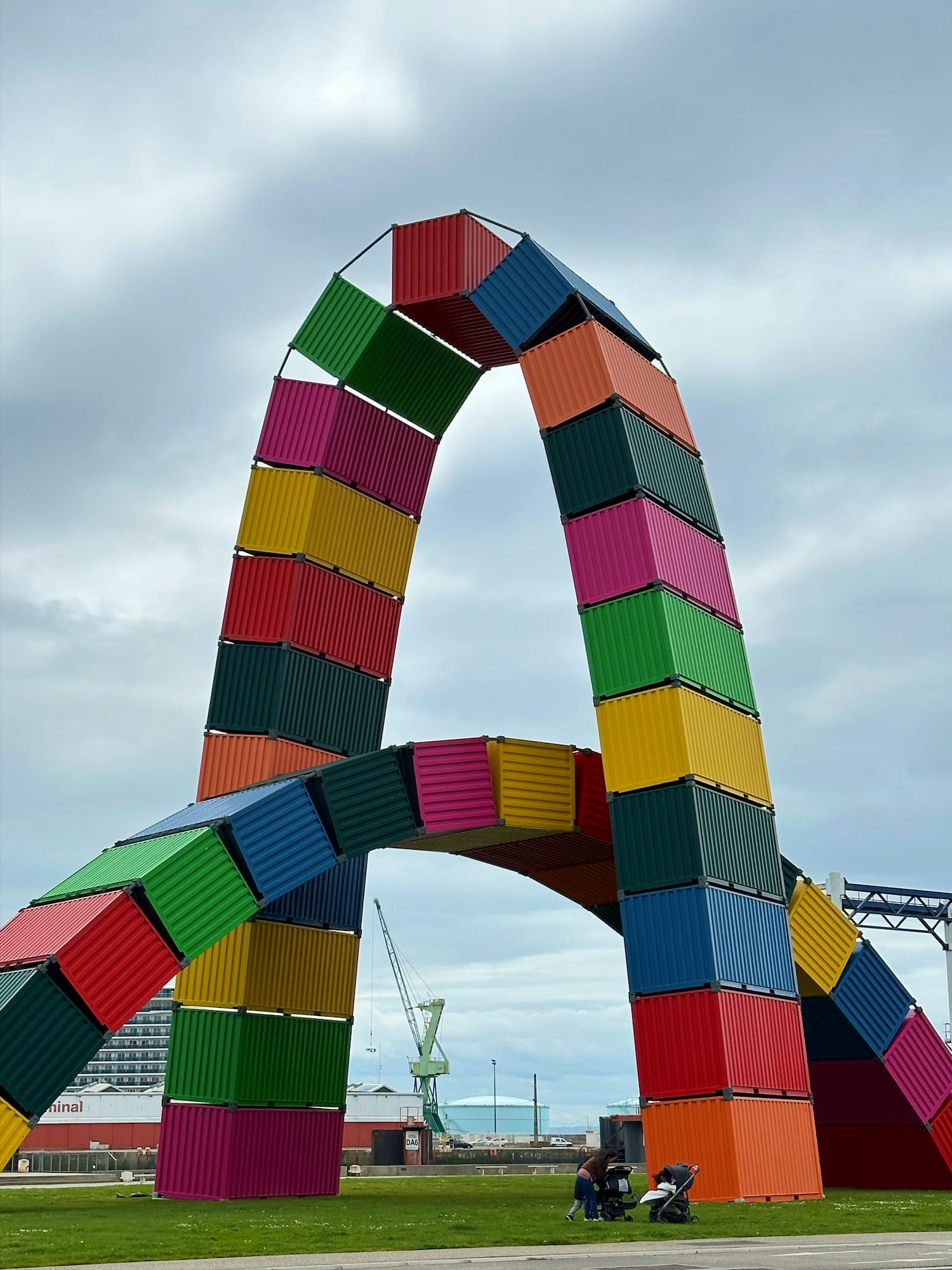
Le Havre did not fully win us over, but it is certainly worth including in a tour through Normandy. Rebuilt almost entirely after the Second World War bombing, it is today a UNESCO World Heritage Site for its extraordinary modern reinforced-concrete architecture.
What strikes you most is the urban harmony of Le Havre: the wide thoroughfares, the buildings with their clean geometric lines and the large open spaces create a sense of openness and luminosity rarely found in port cities.
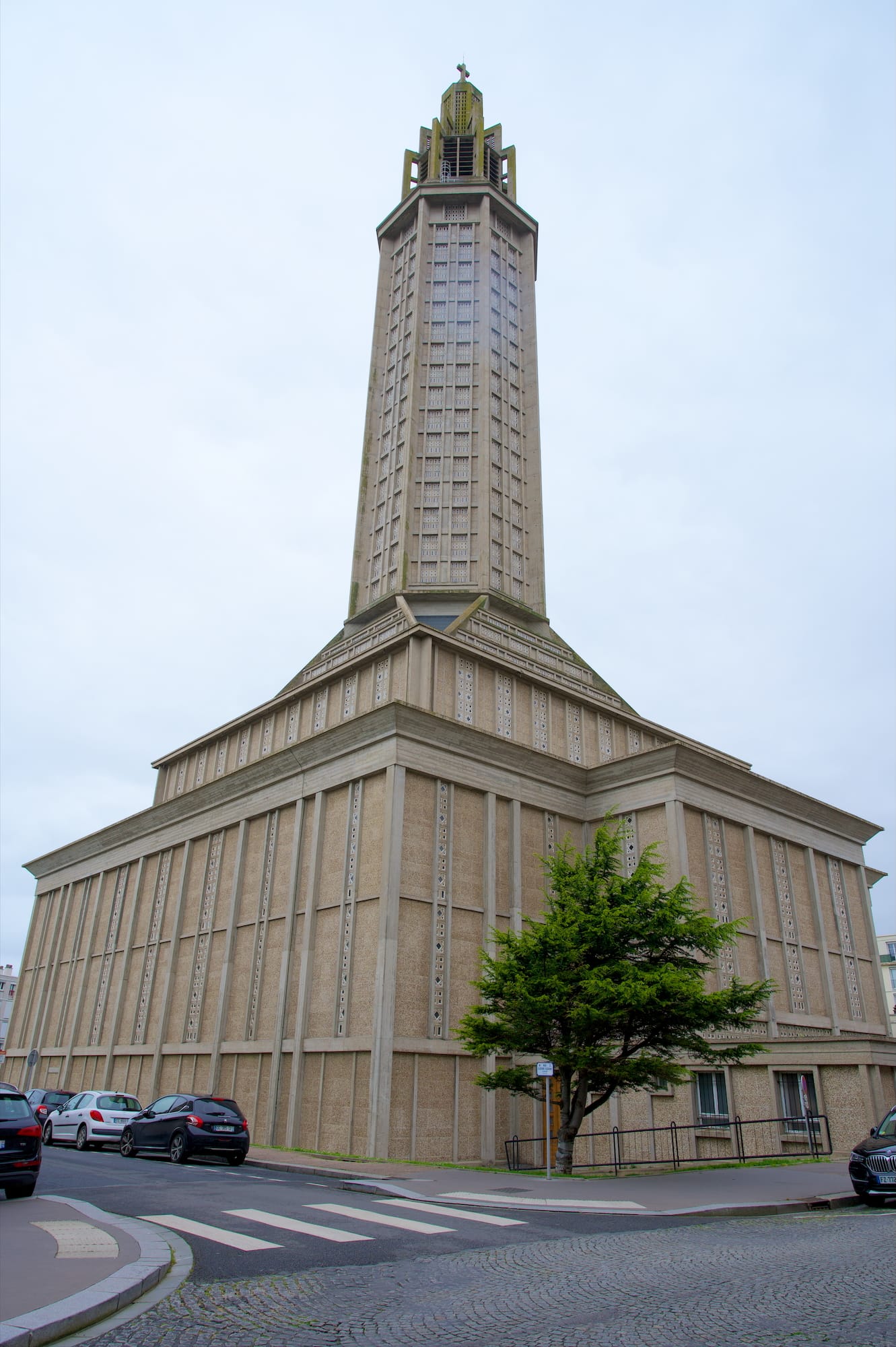
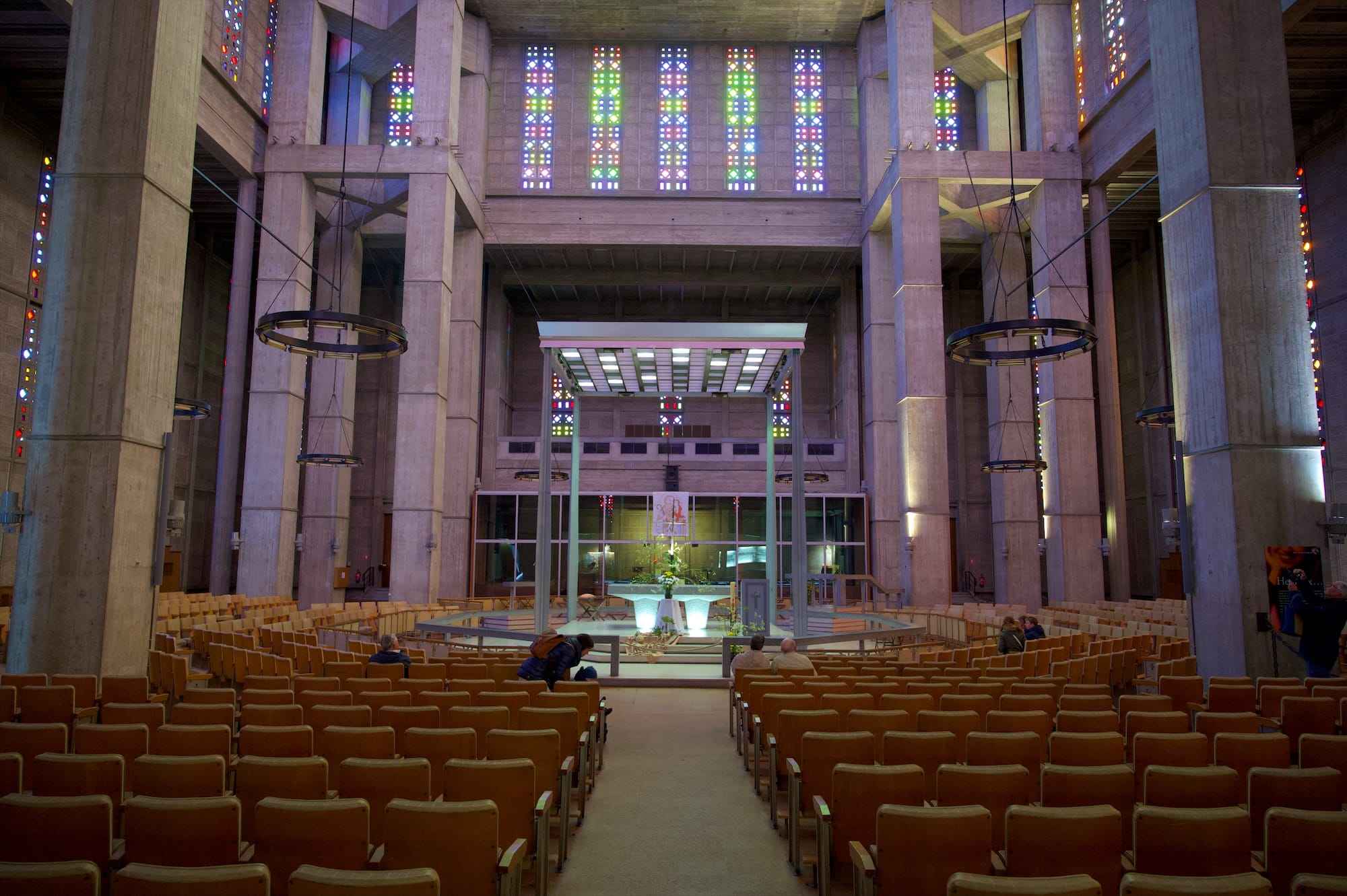
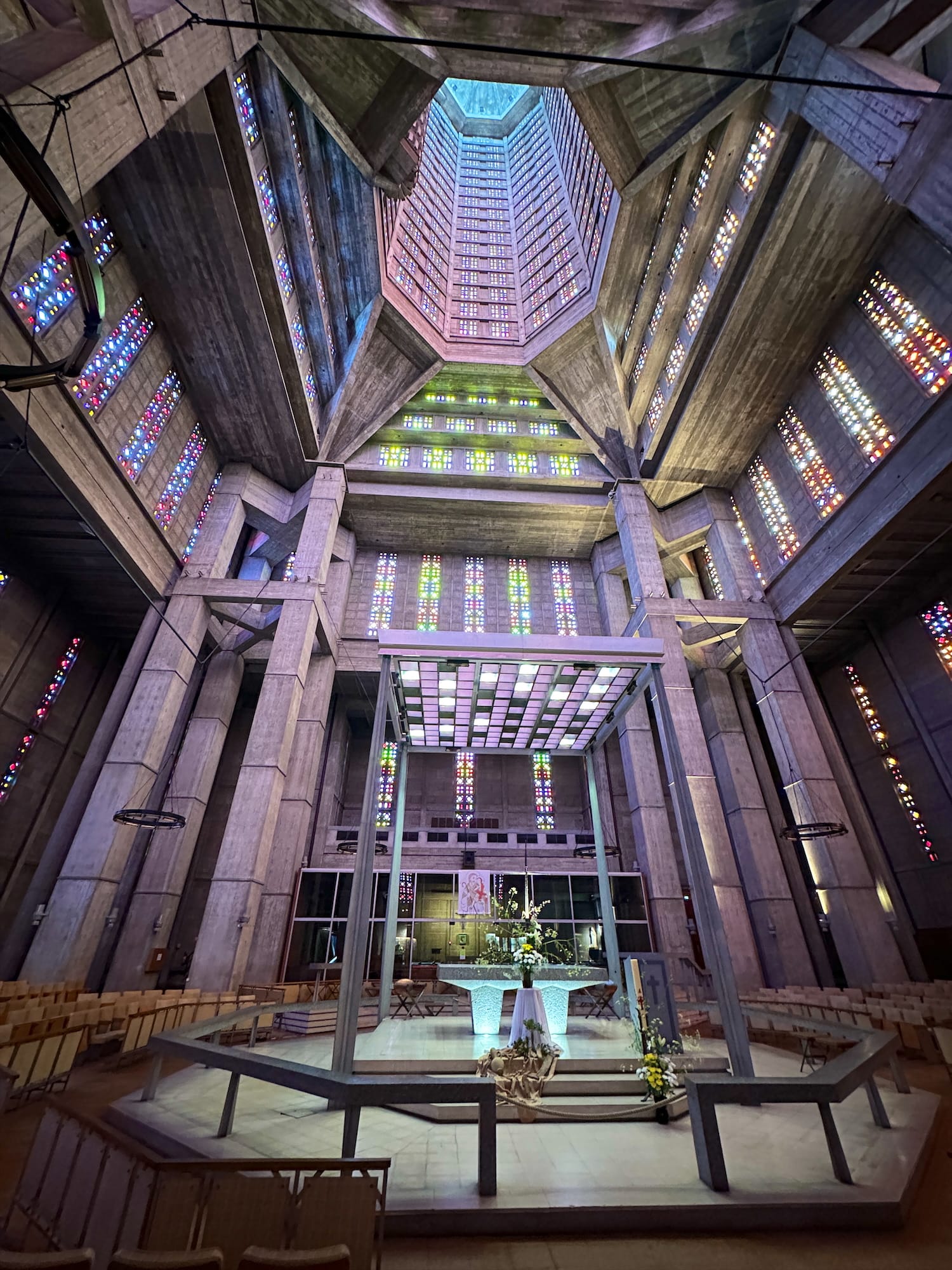
Not to be missed is the modern Notre-Dame Cathedral, rebuilt in the same innovative spirit: its reinforced-concrete facade and bright interior are a perfect example of how contemporary architecture can express both spirituality and modernity.
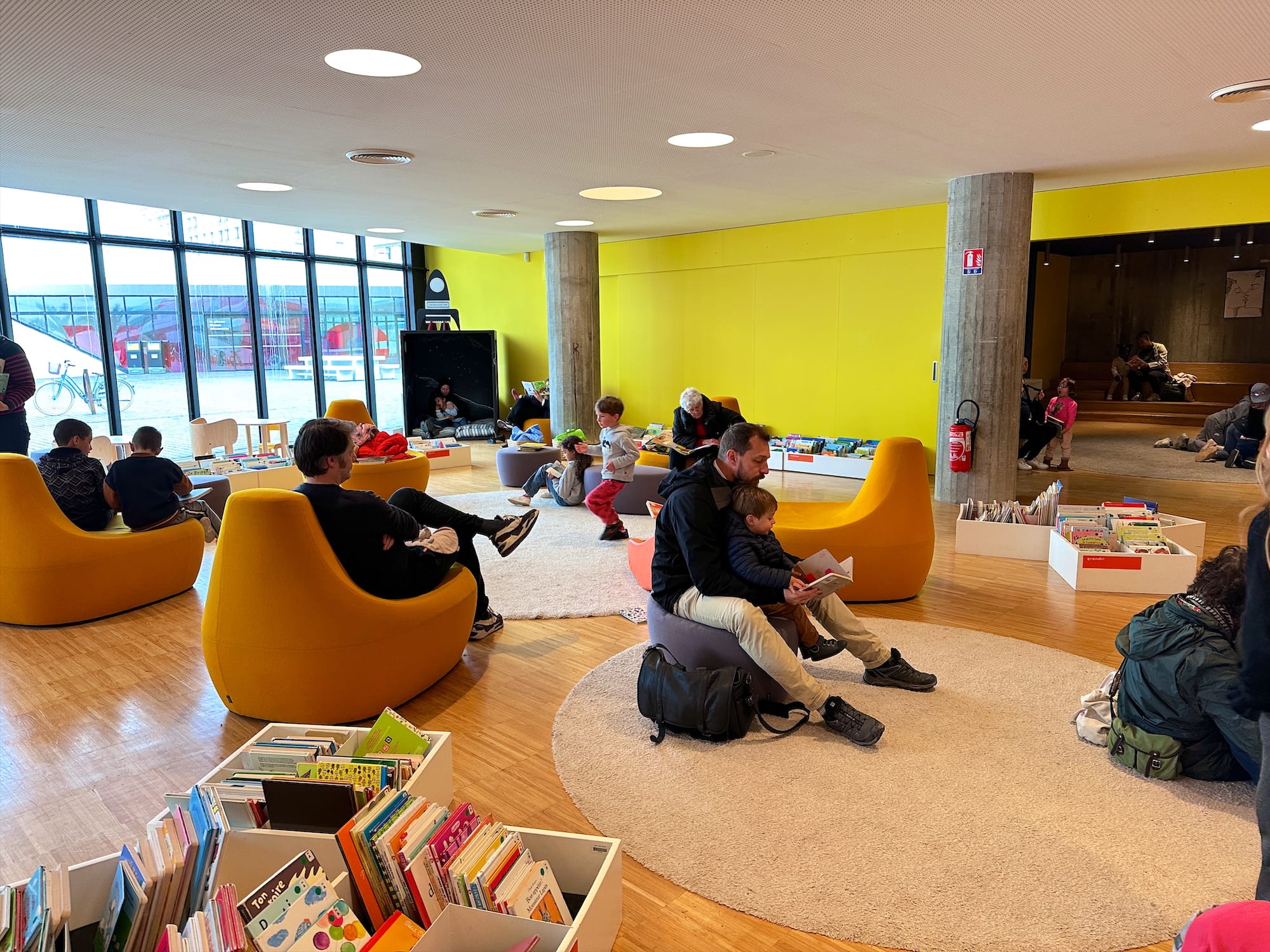
The Oscar Niemeyer Library, meanwhile, is a gem of contemporary design that with its inverted-volcano shape and open spaces won over even Enea, who was able to explore the children's area and read a few books (there is also a section in foreign languages).
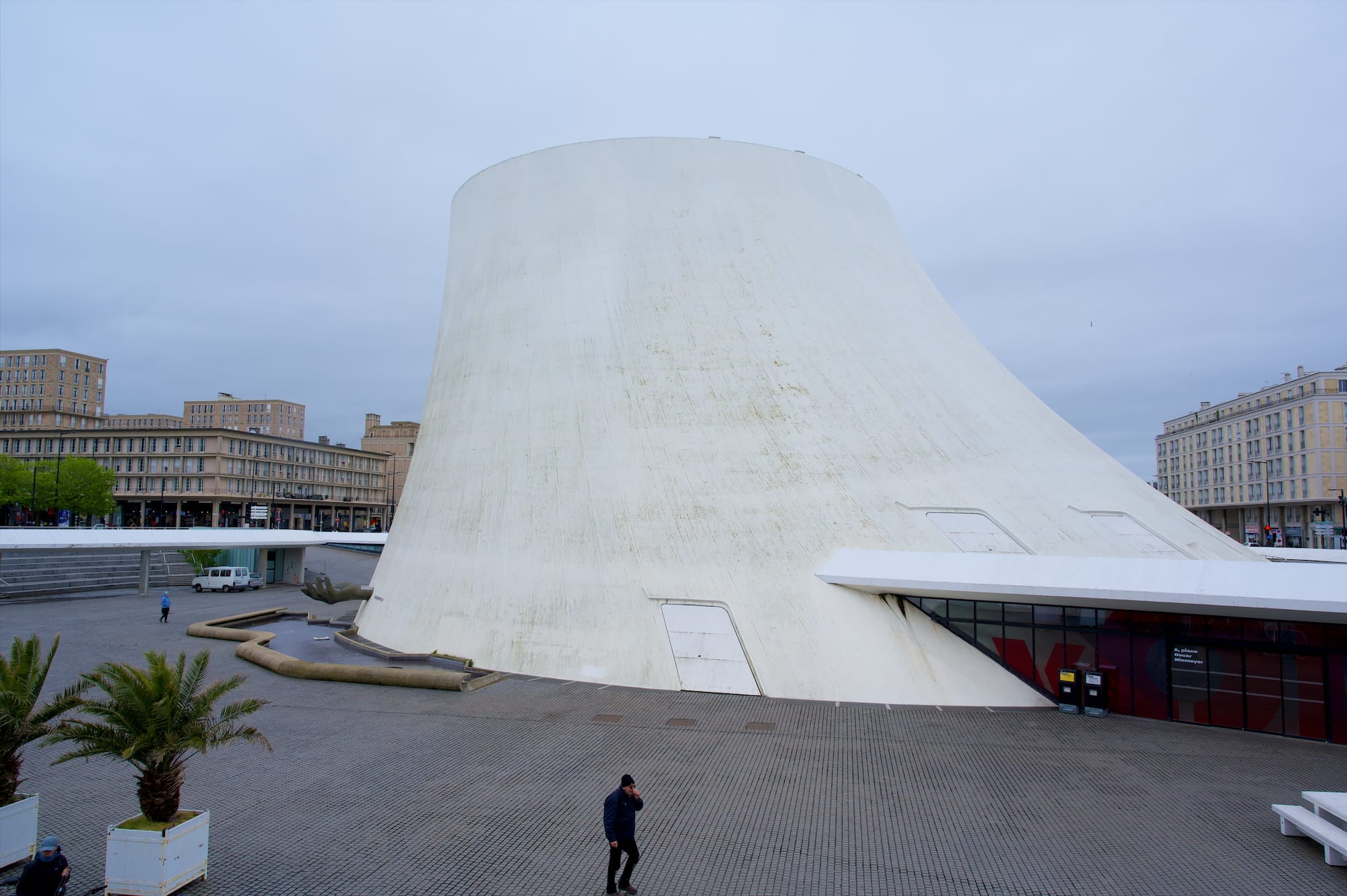
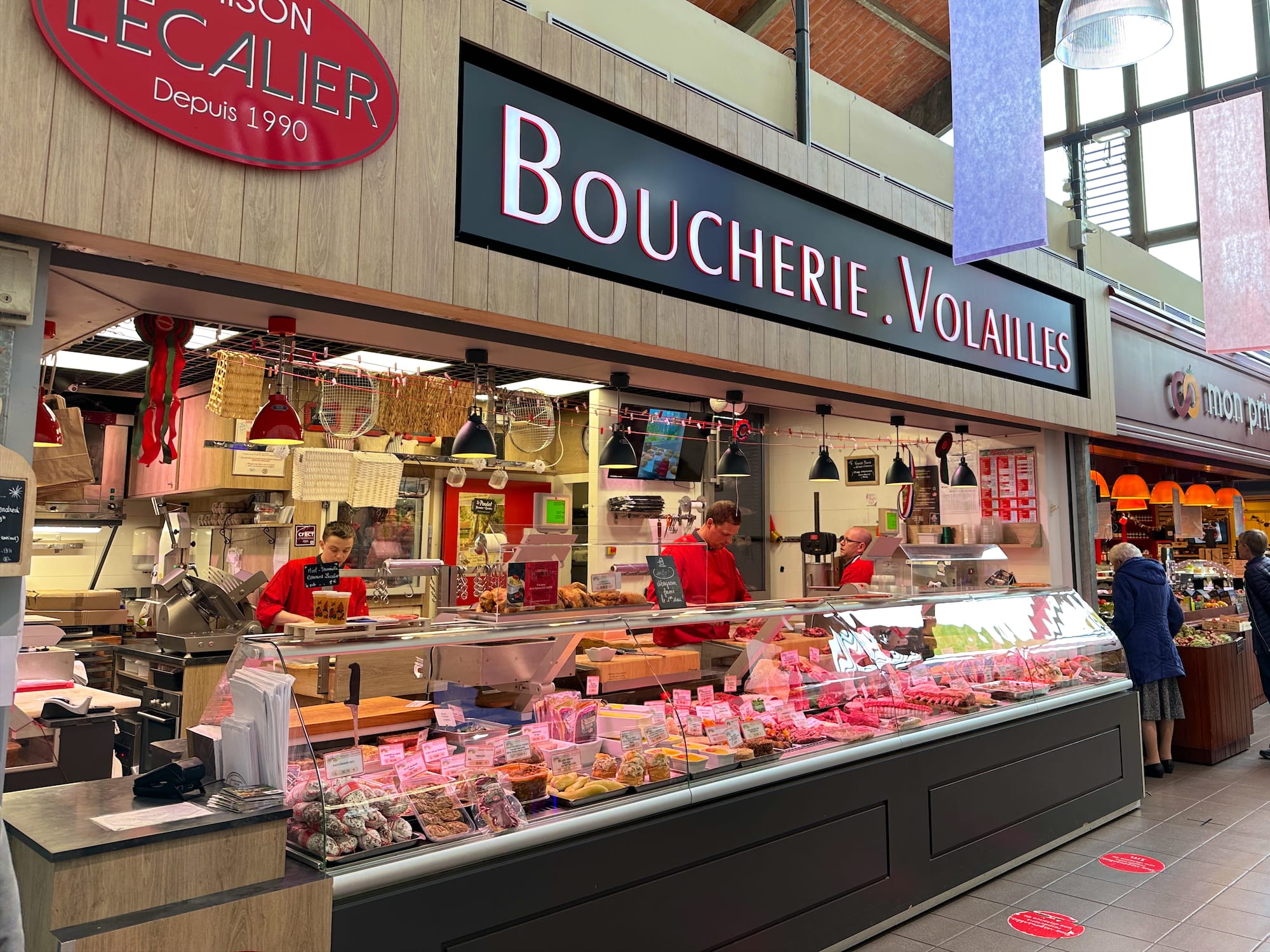
Do not expect the ancient charm of other Norman cities: Le Havre has a very different kind of beauty, one that can be appreciated by strolling its streets with curious eyes. A final stop for the food-lovers: the covered market Les Halles Centrales, a beautiful example of iron-and-glass architecture that keeps the city's commercial traditions alive. Here we found several authentic local products and soaked up that gourmet atmosphere that makes French markets so special.
Visiting time: 3h
Étretat: the iconic white cliffs
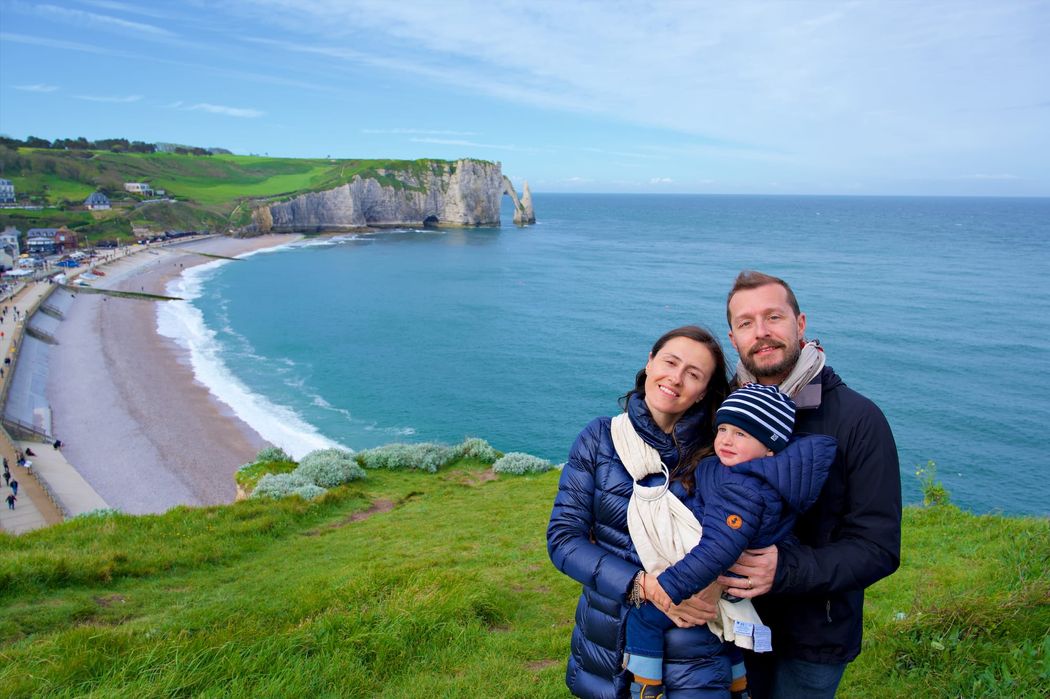
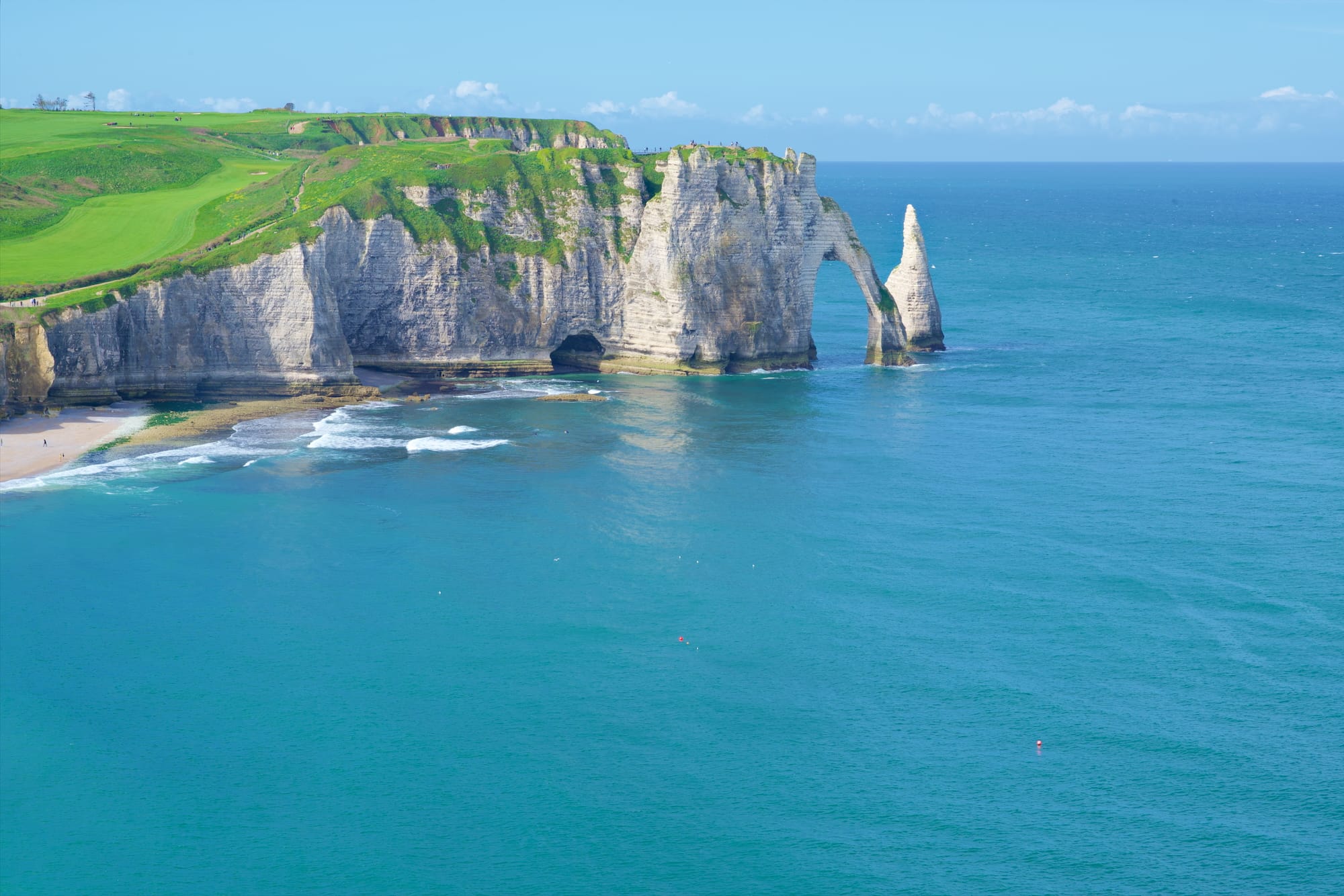
Arriving in Étretat means standing before one of Normandy's most iconic landscapes, the one that has inspired generations of painters and writers. Its famous white chalk cliffs, sculpted by sea and wind, create a breathtaking natural amphitheatre that leaves young and old alike speechless.
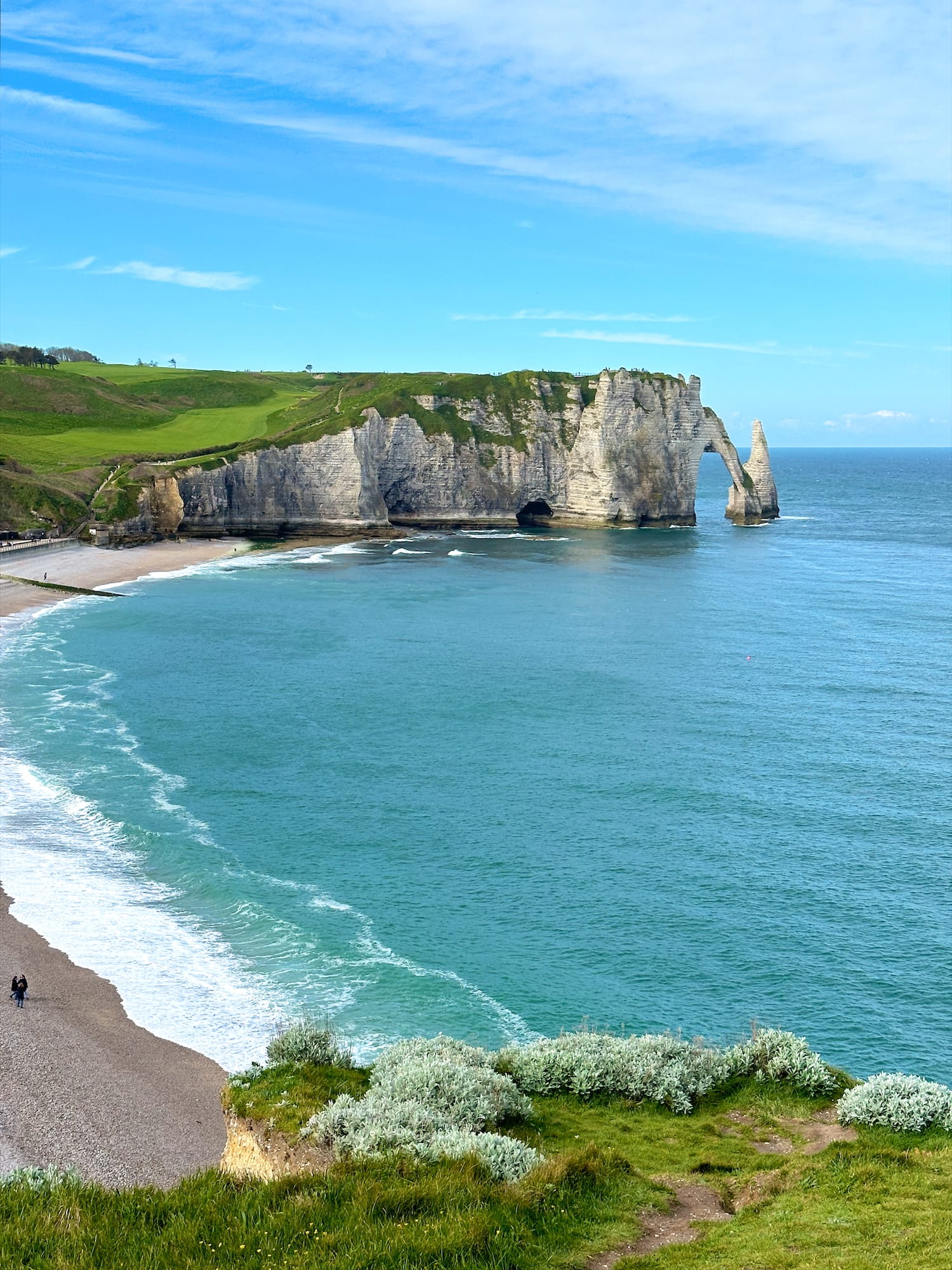
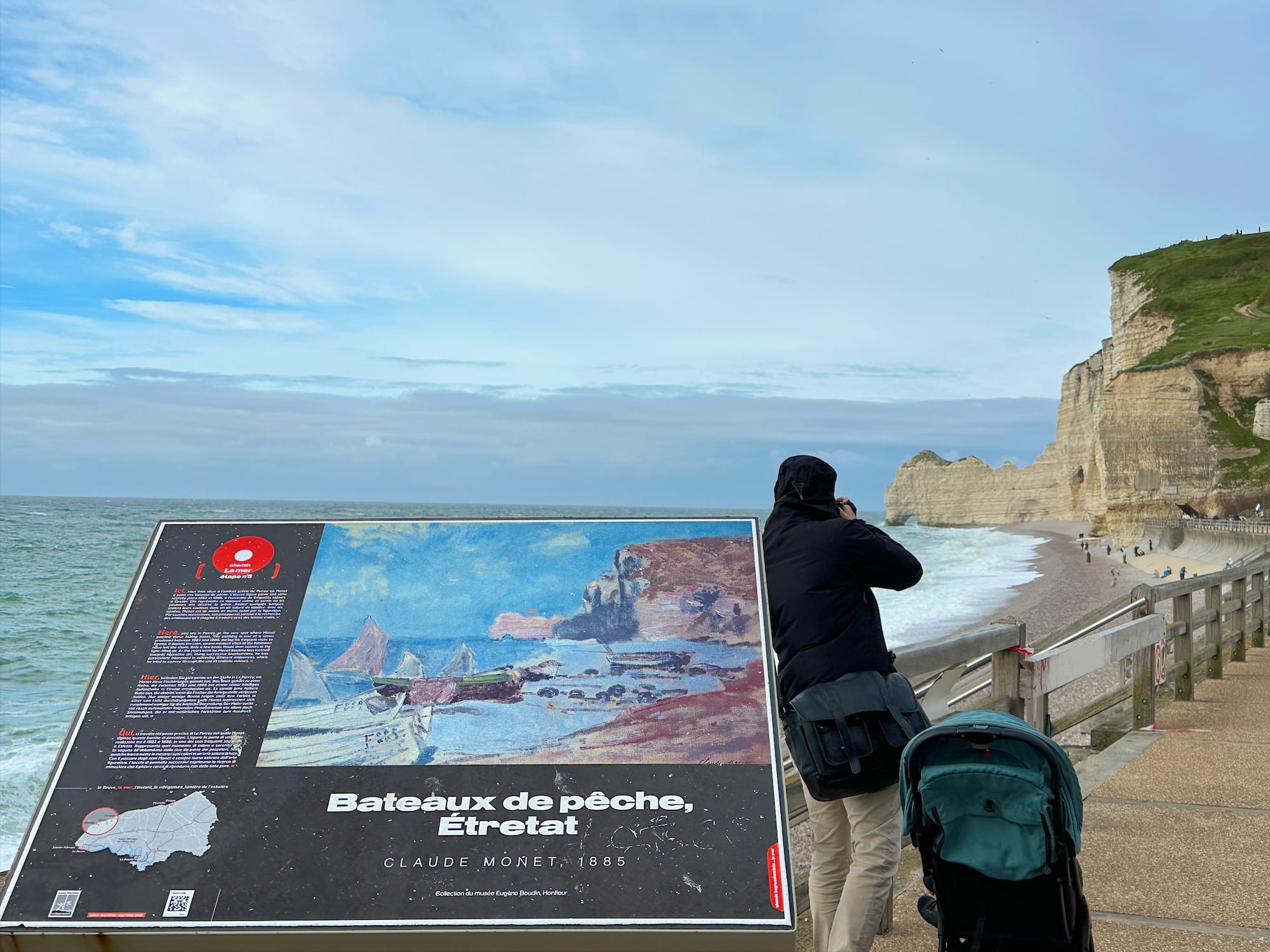
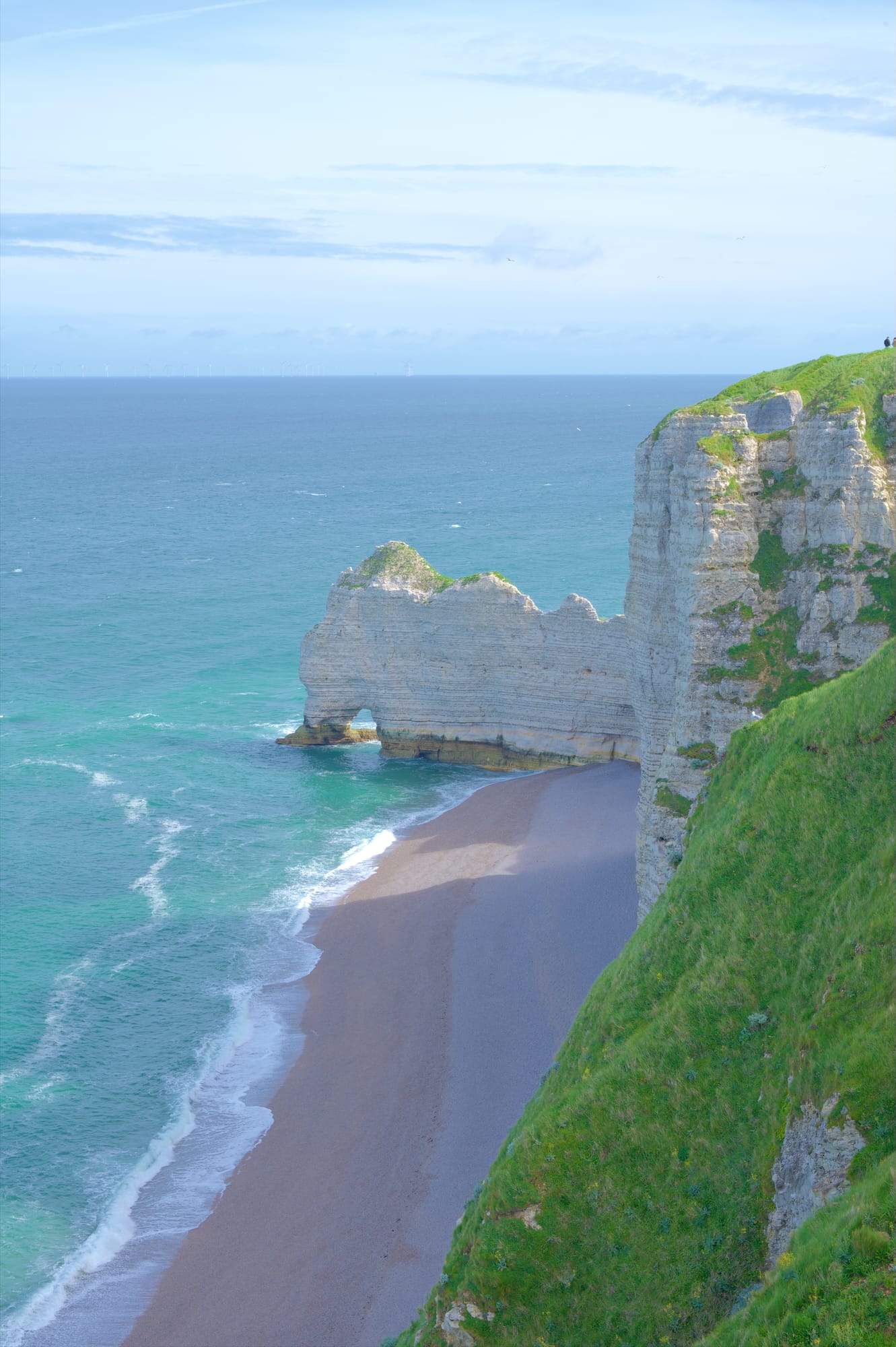
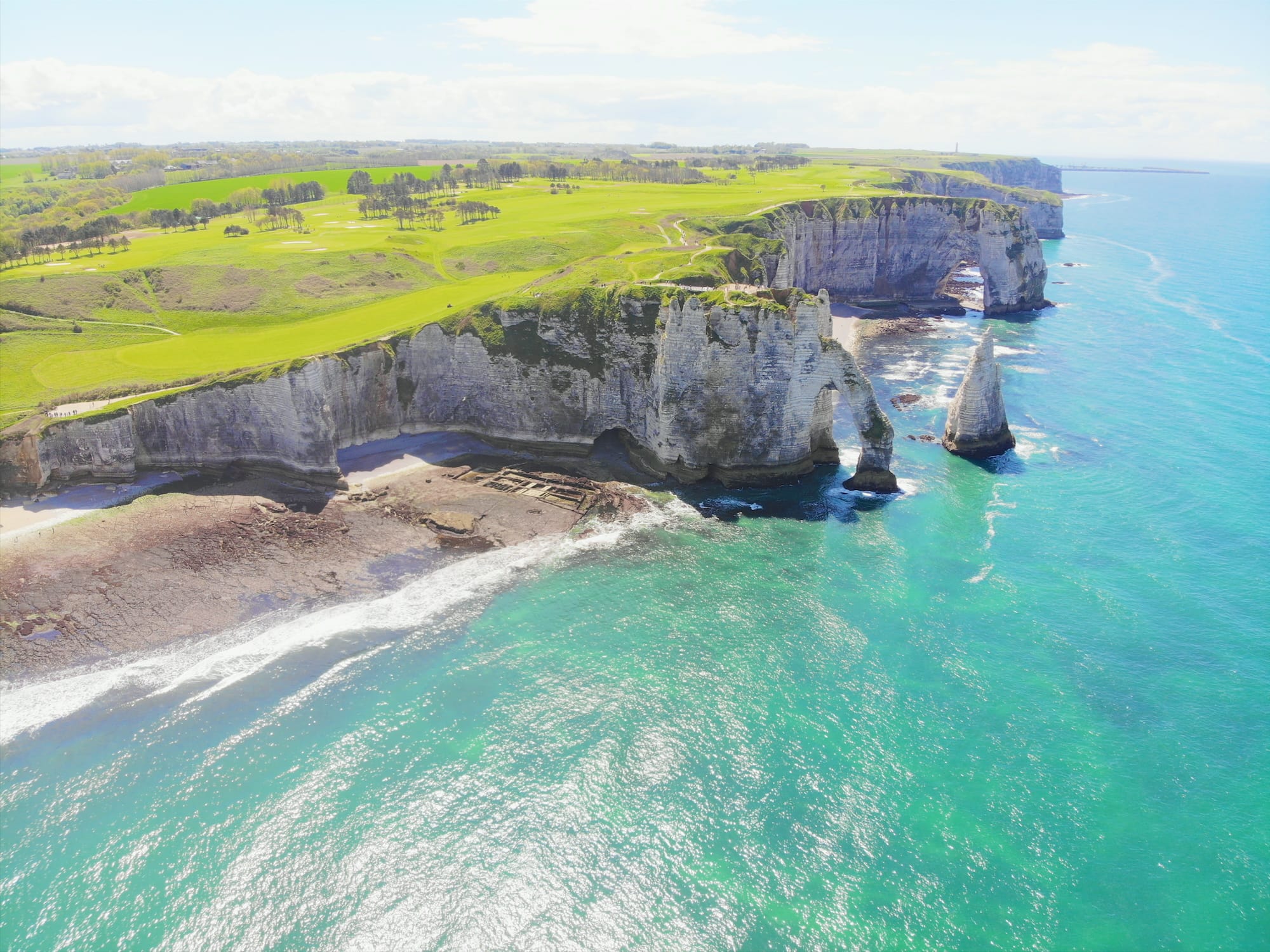
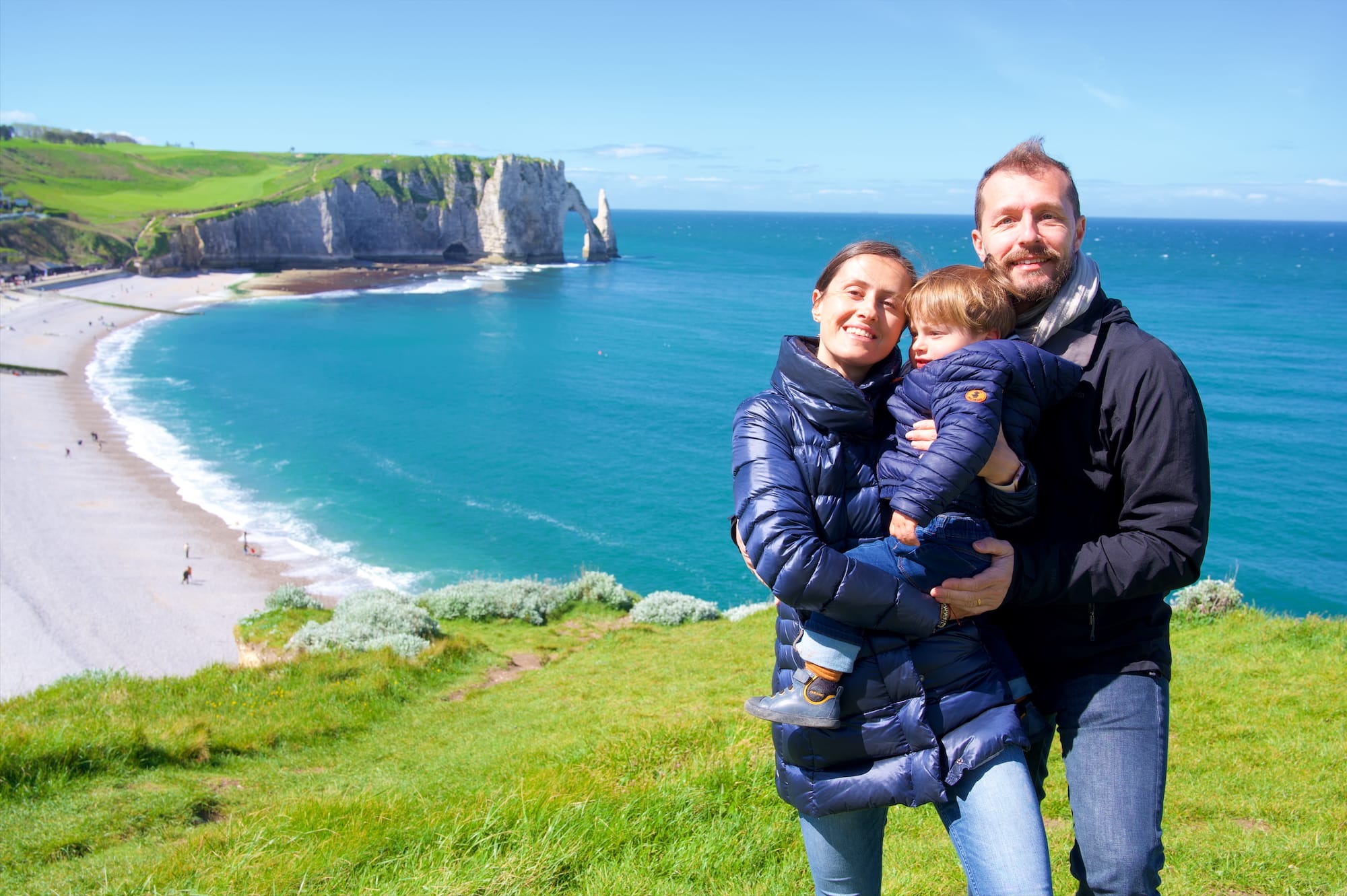
Simply climbing the dirt path from the beach is enough to enjoy striking views of the Aiguille and the Porte d'Aval, the famous natural arches that rise from the sea like stone cathedrals.
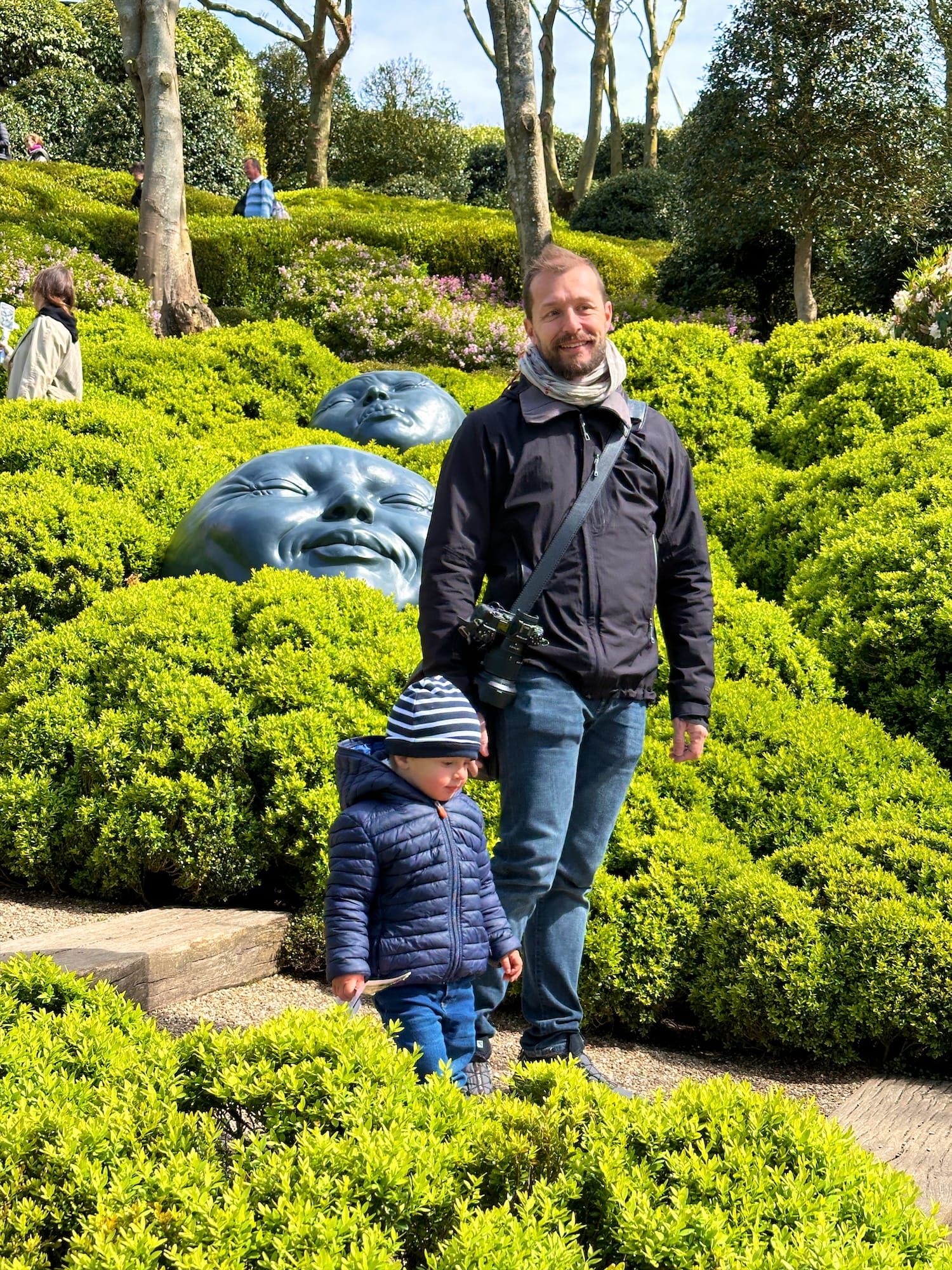
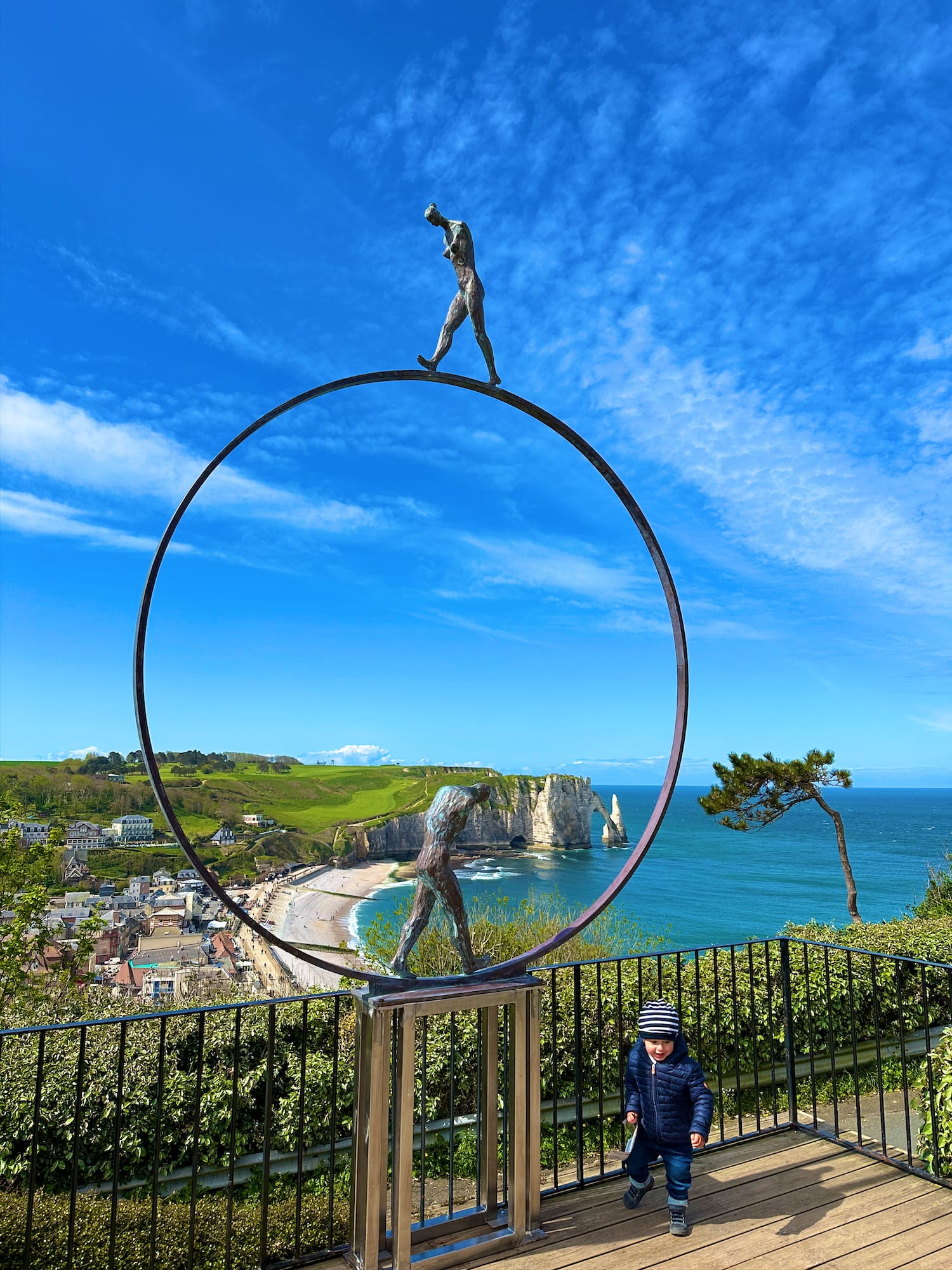
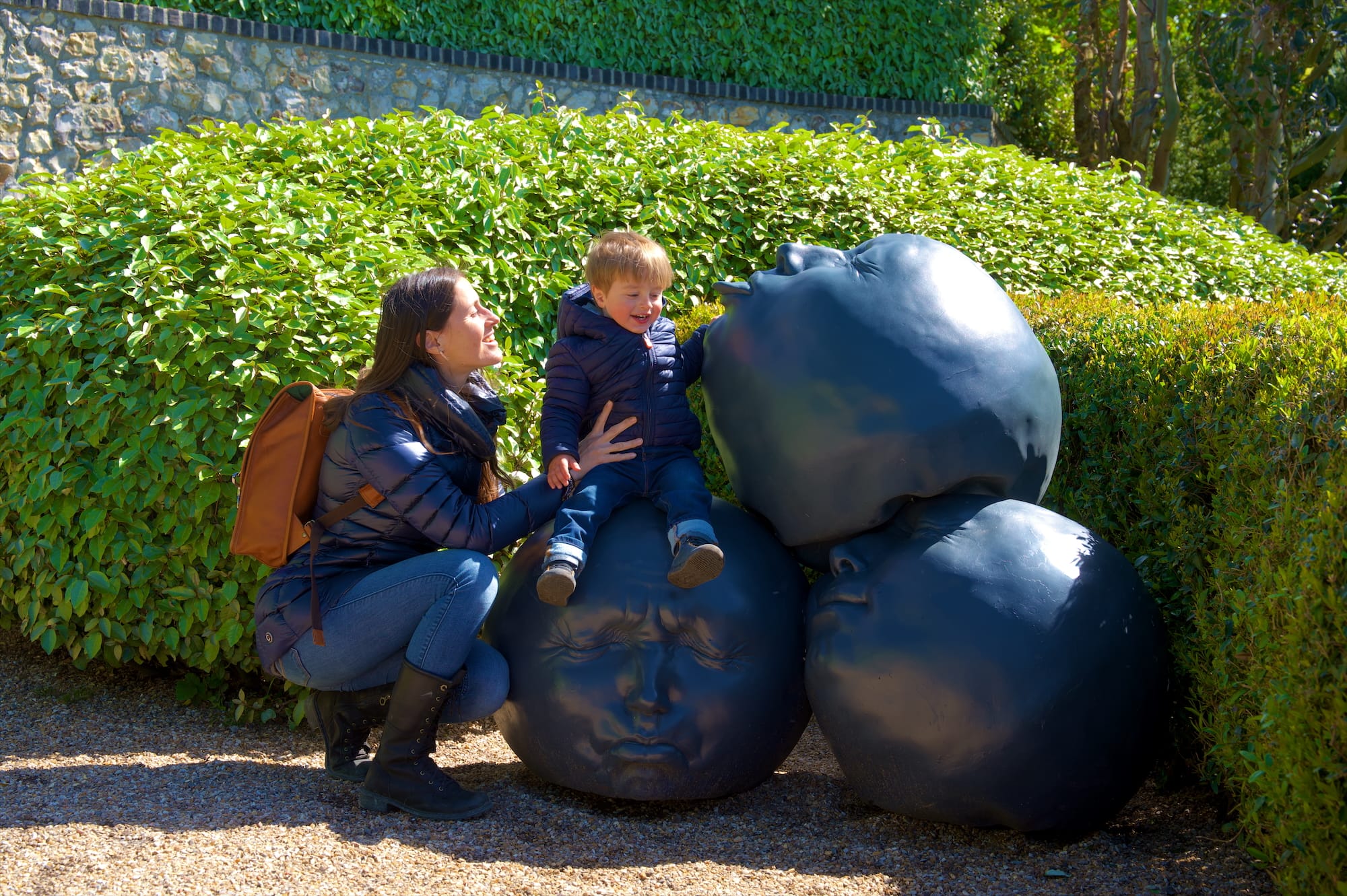
Do not miss the Jardins d'Étretat: this contemporary art park, nestled on the clifftops, combines nature and modern sculpture in a spectacular route that offers unique vantage points over the landscape.
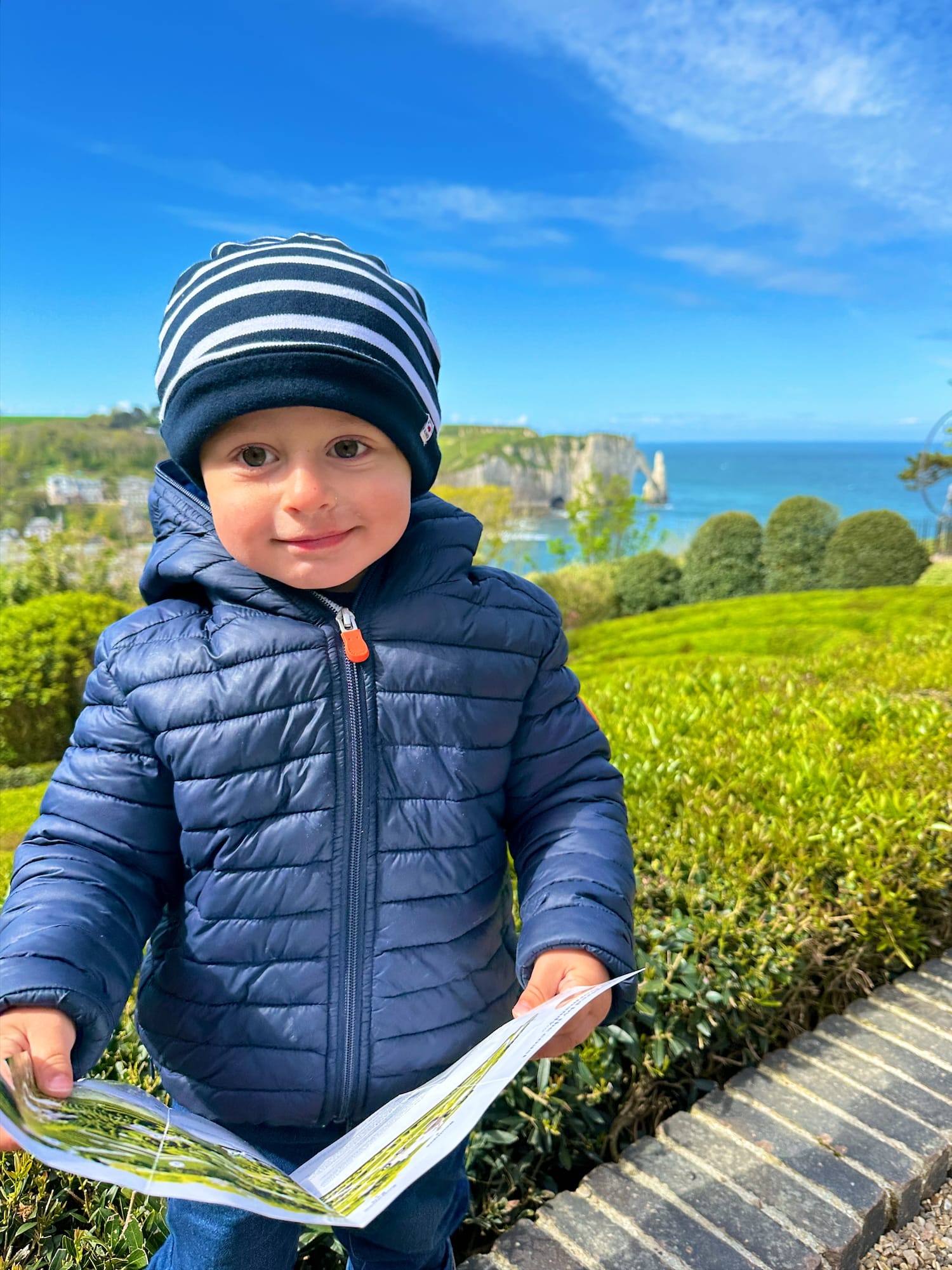
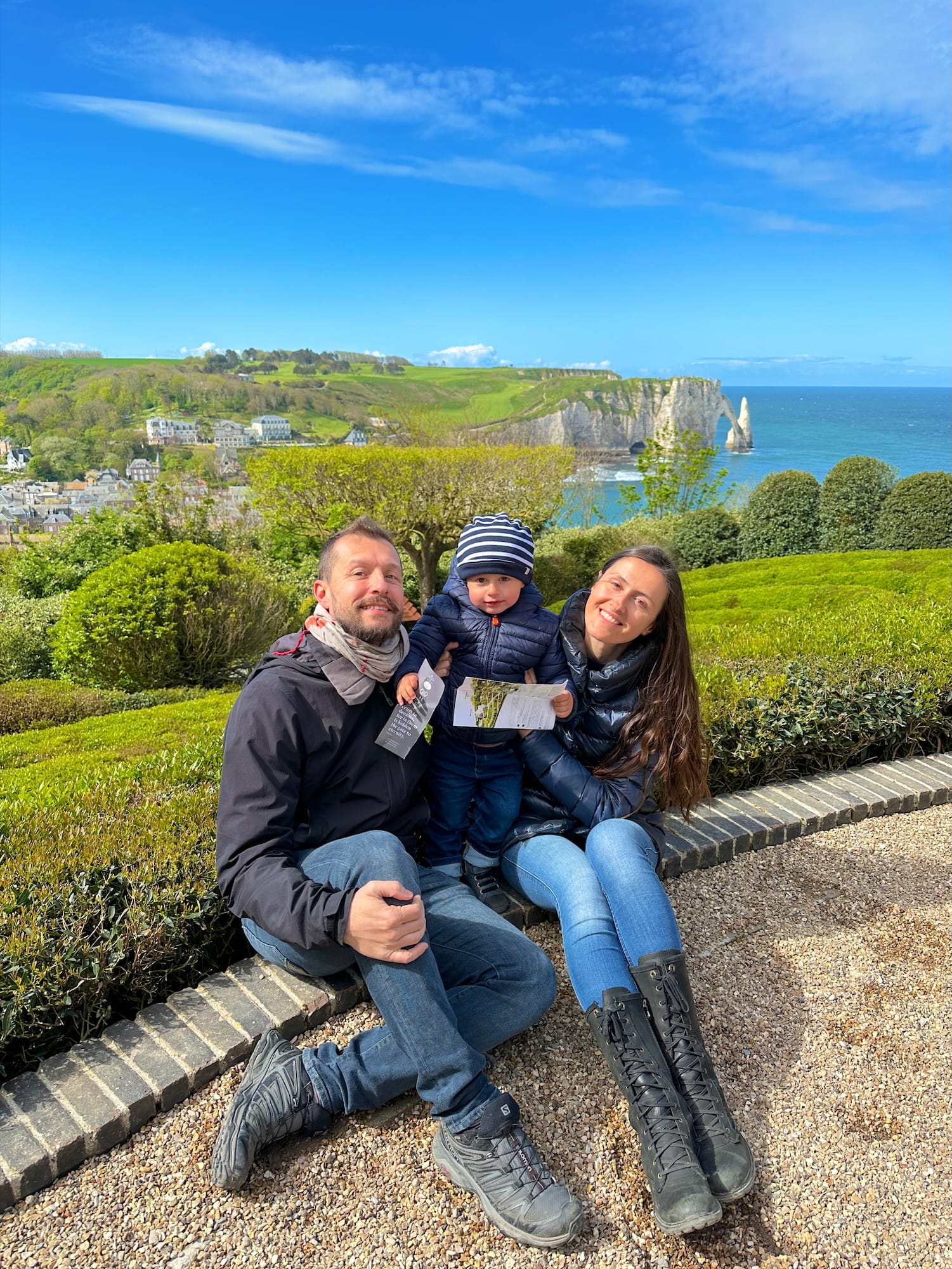
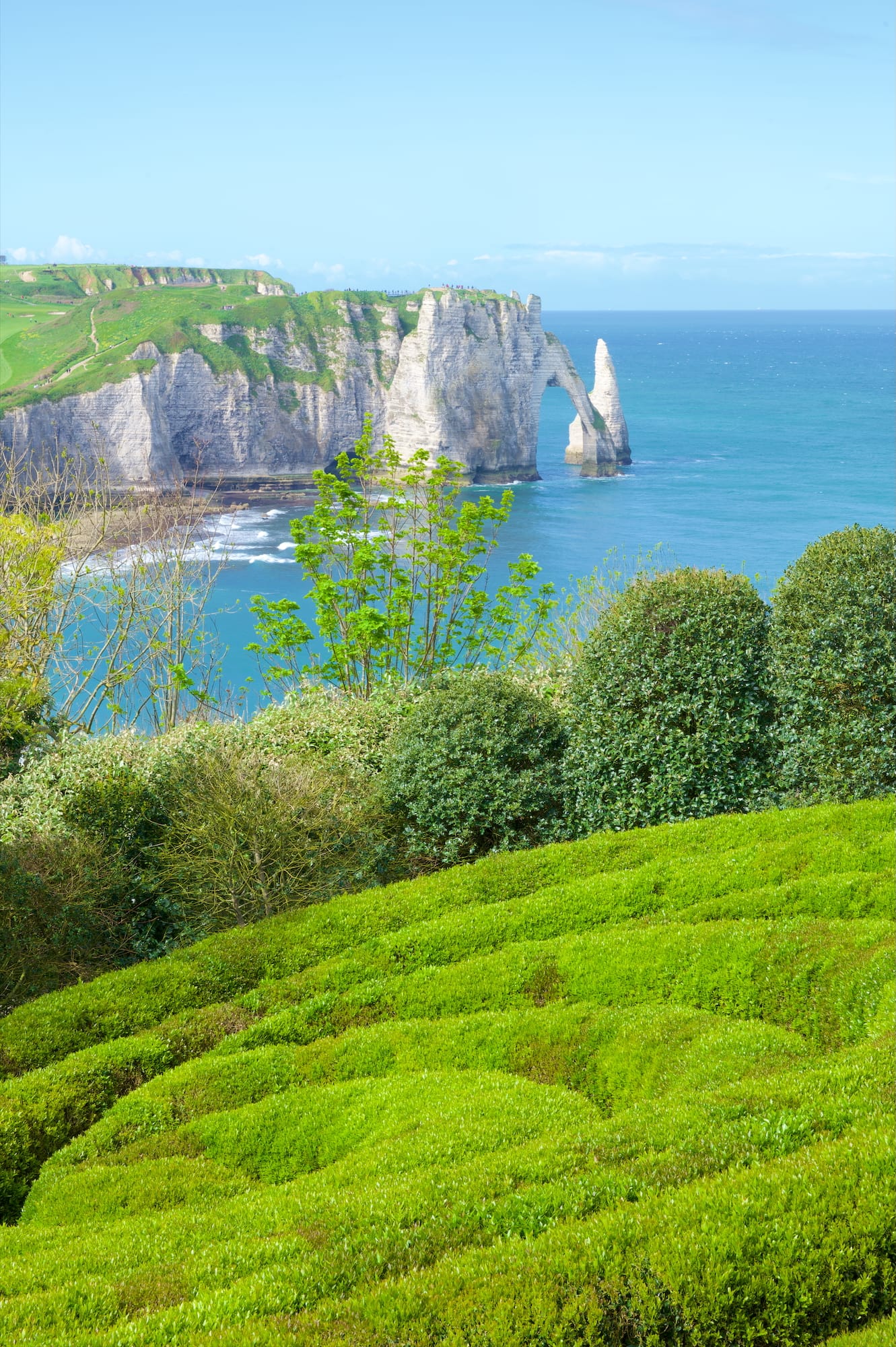
Enea had great fun discovering the artistic installations hidden among the vegetation, while we appreciated how contemporary art integrates perfectly with the natural beauty of the setting. The park also offers some of the finest views of the cliffs, perfect for unforgettable photos.
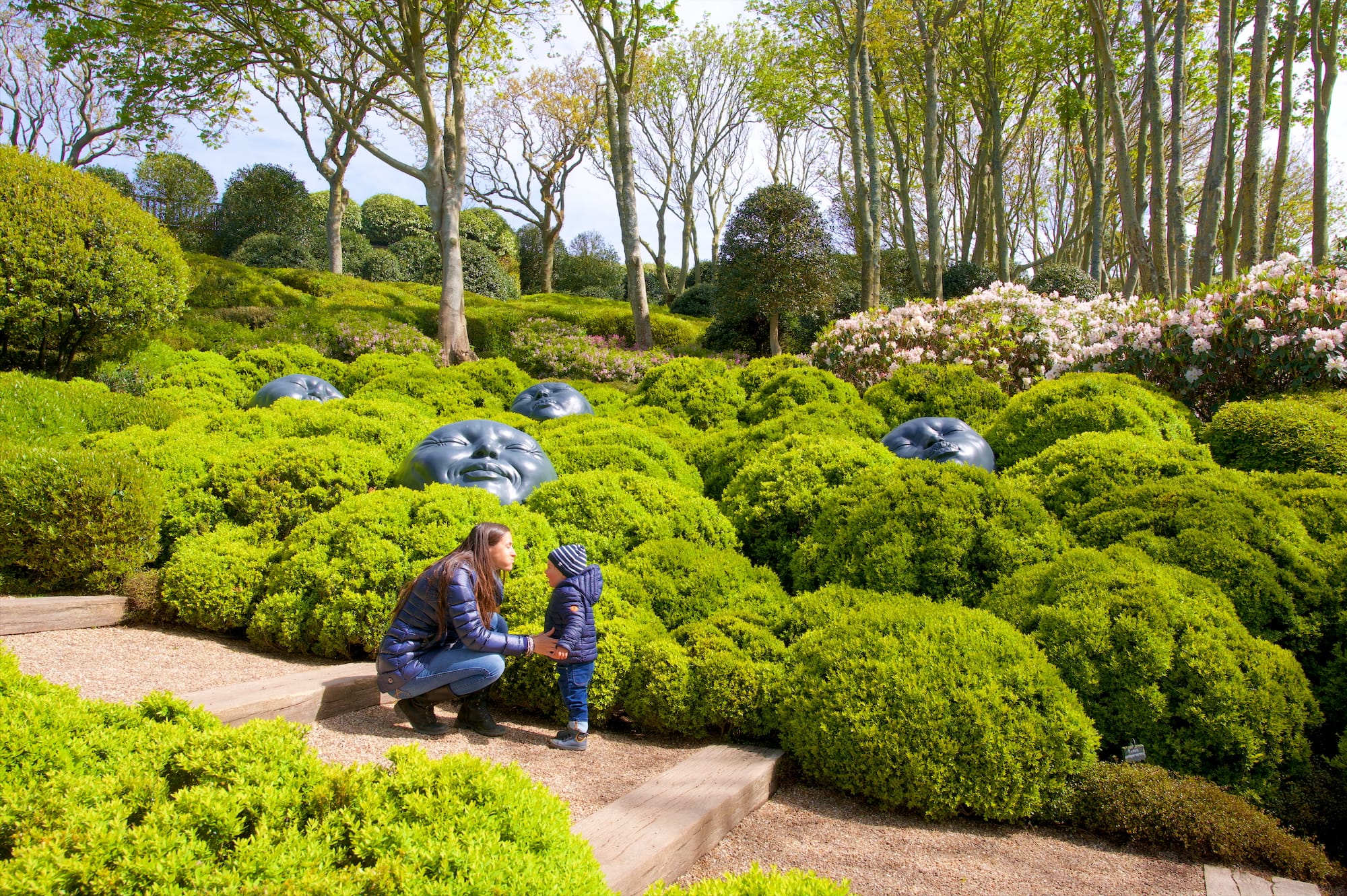
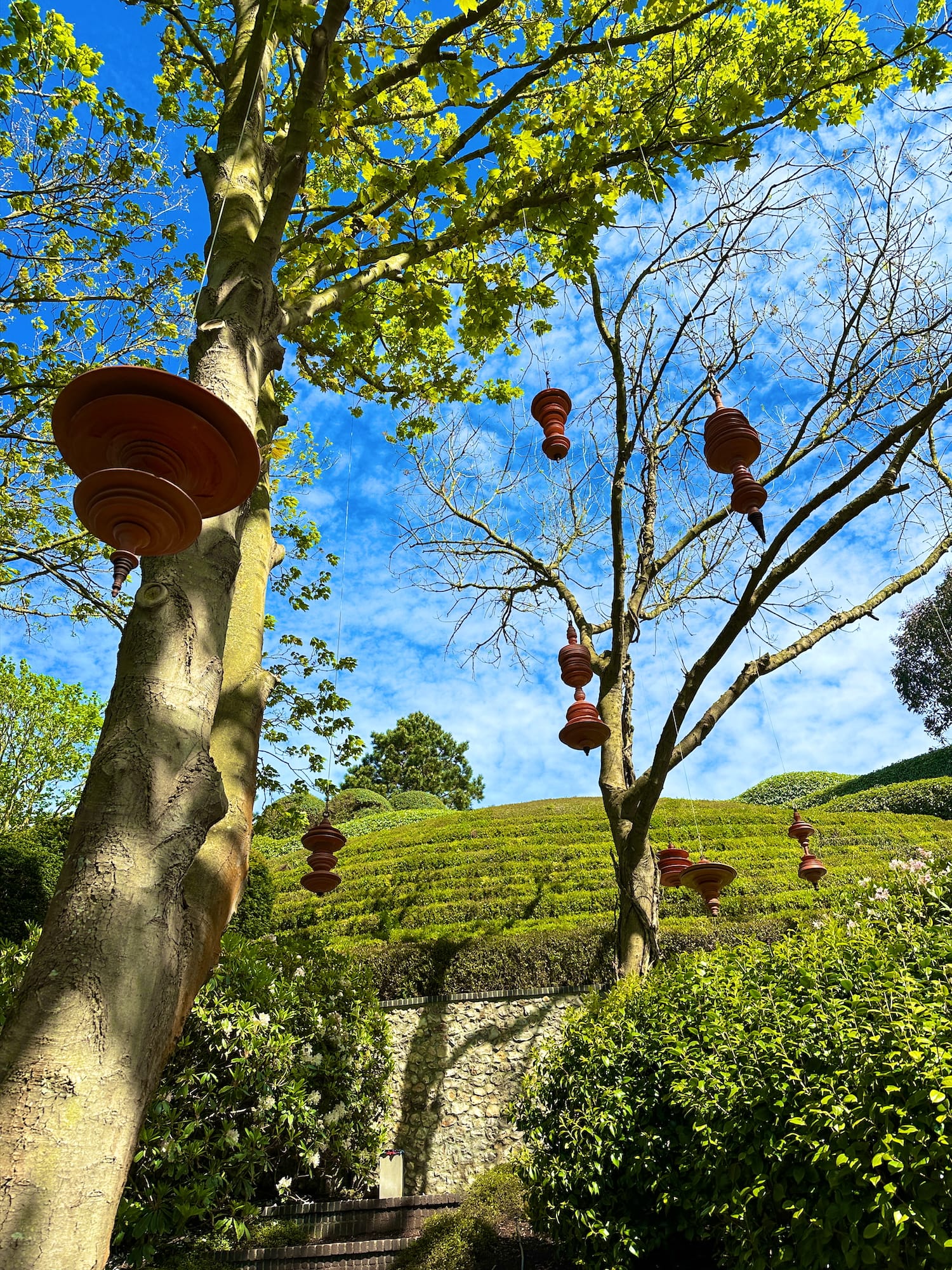
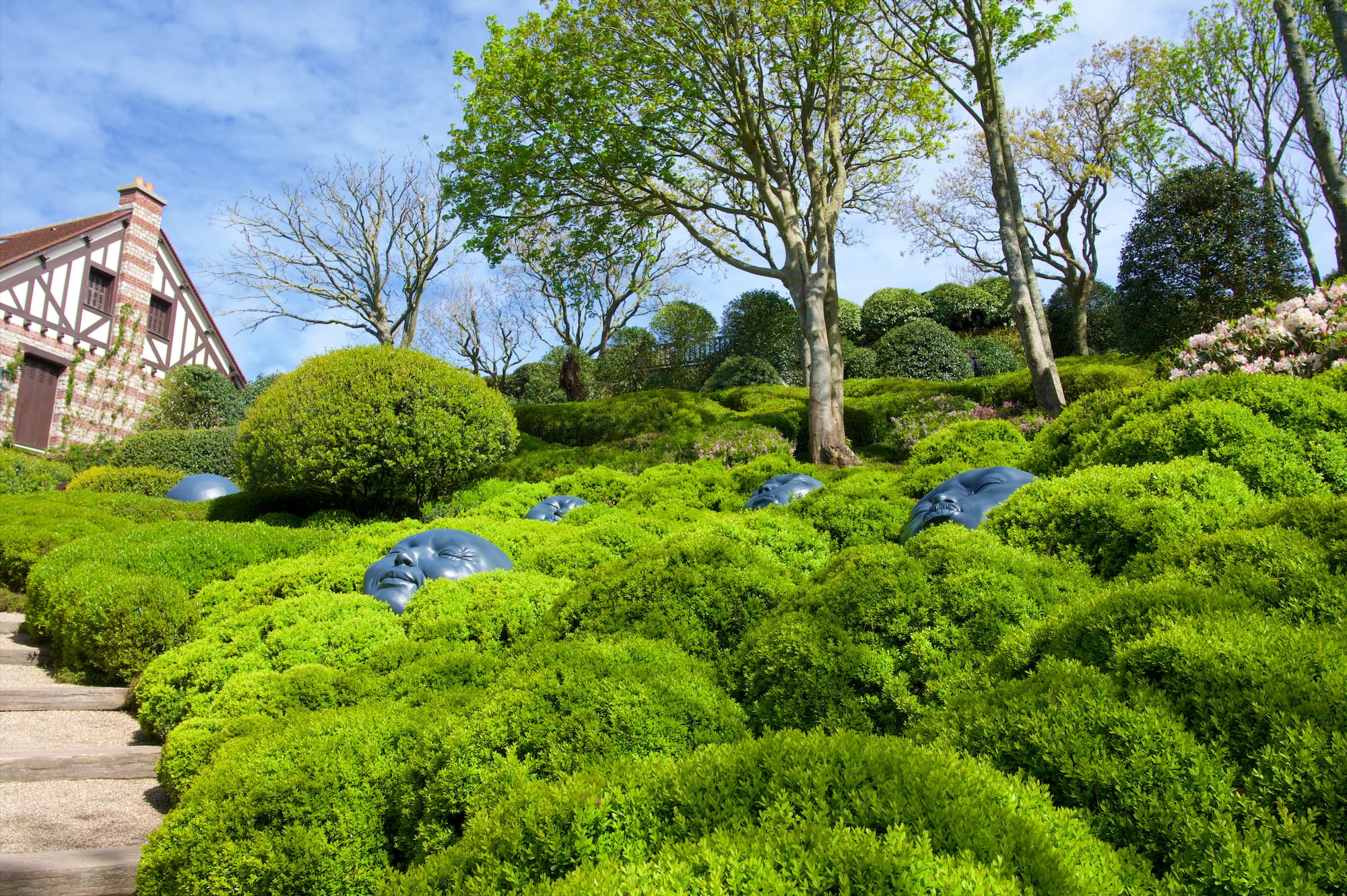
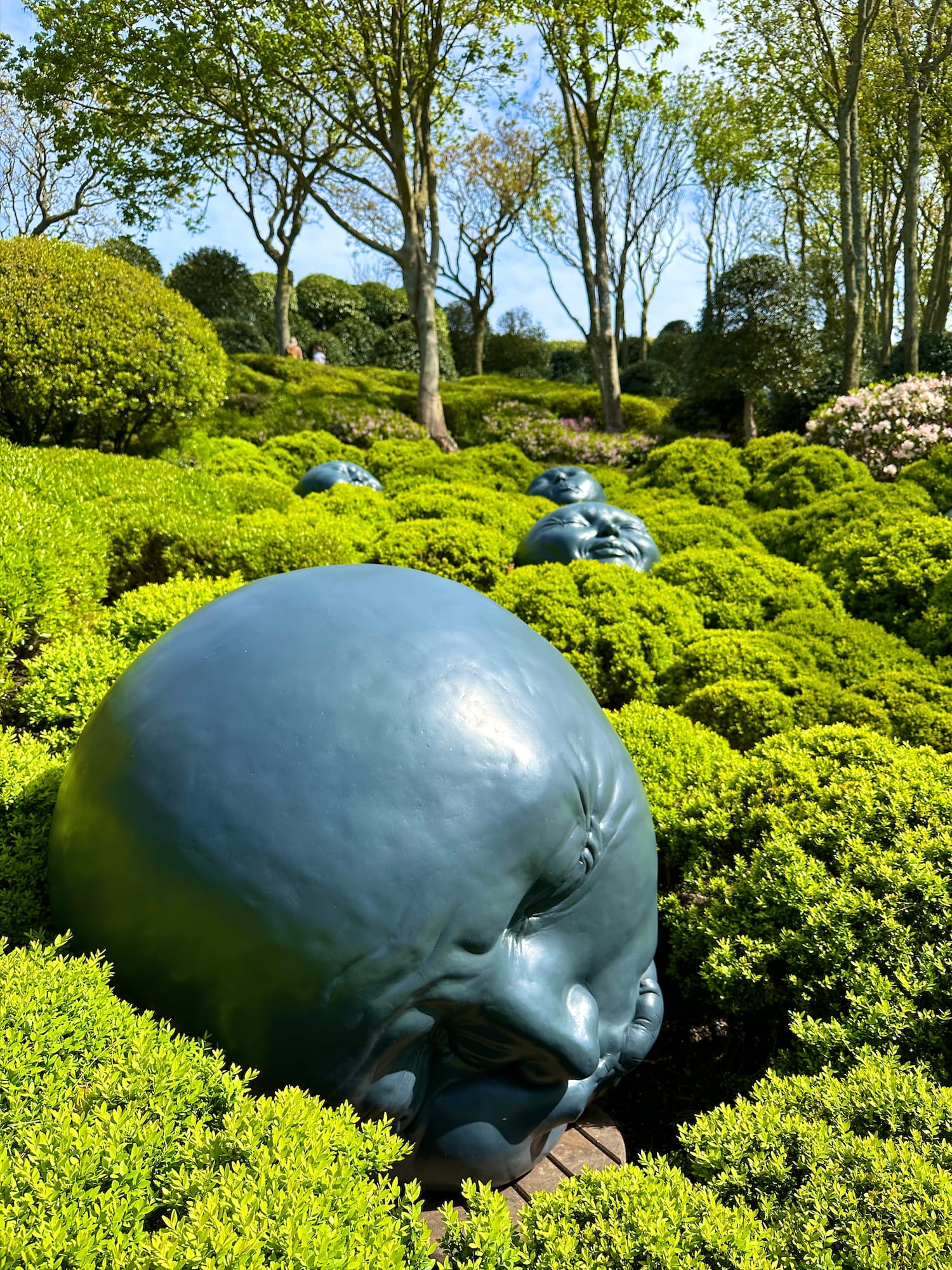
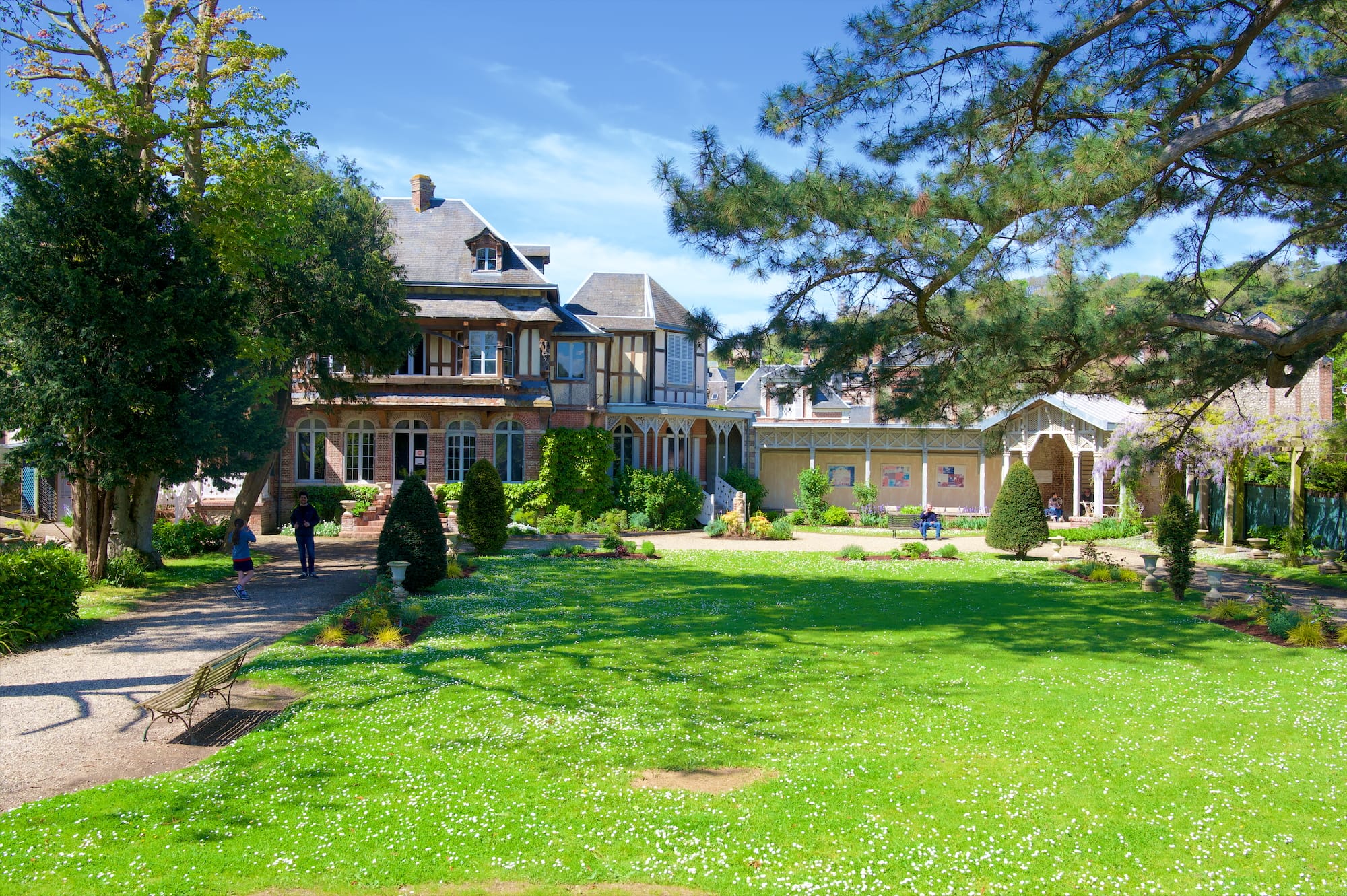
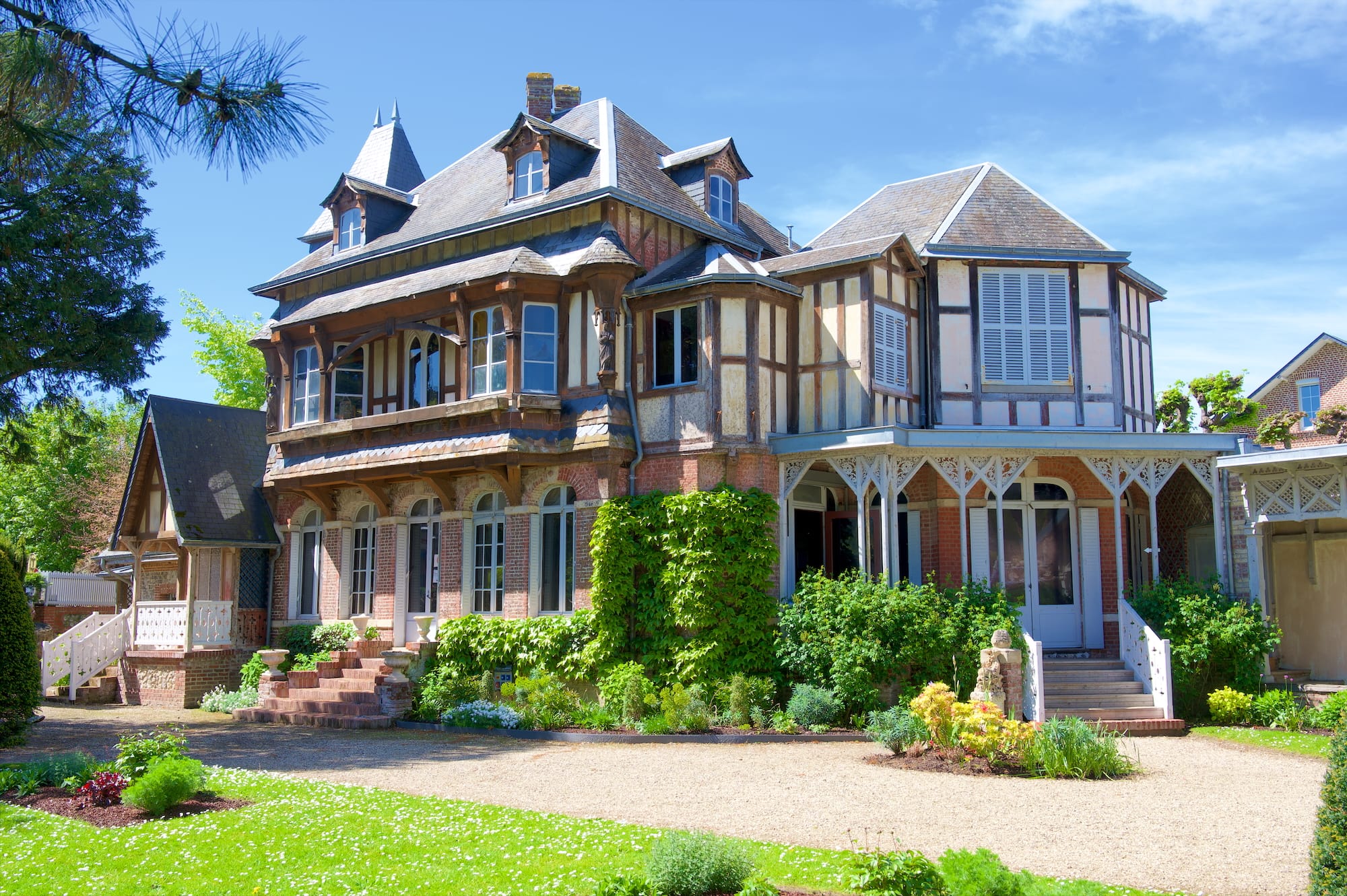
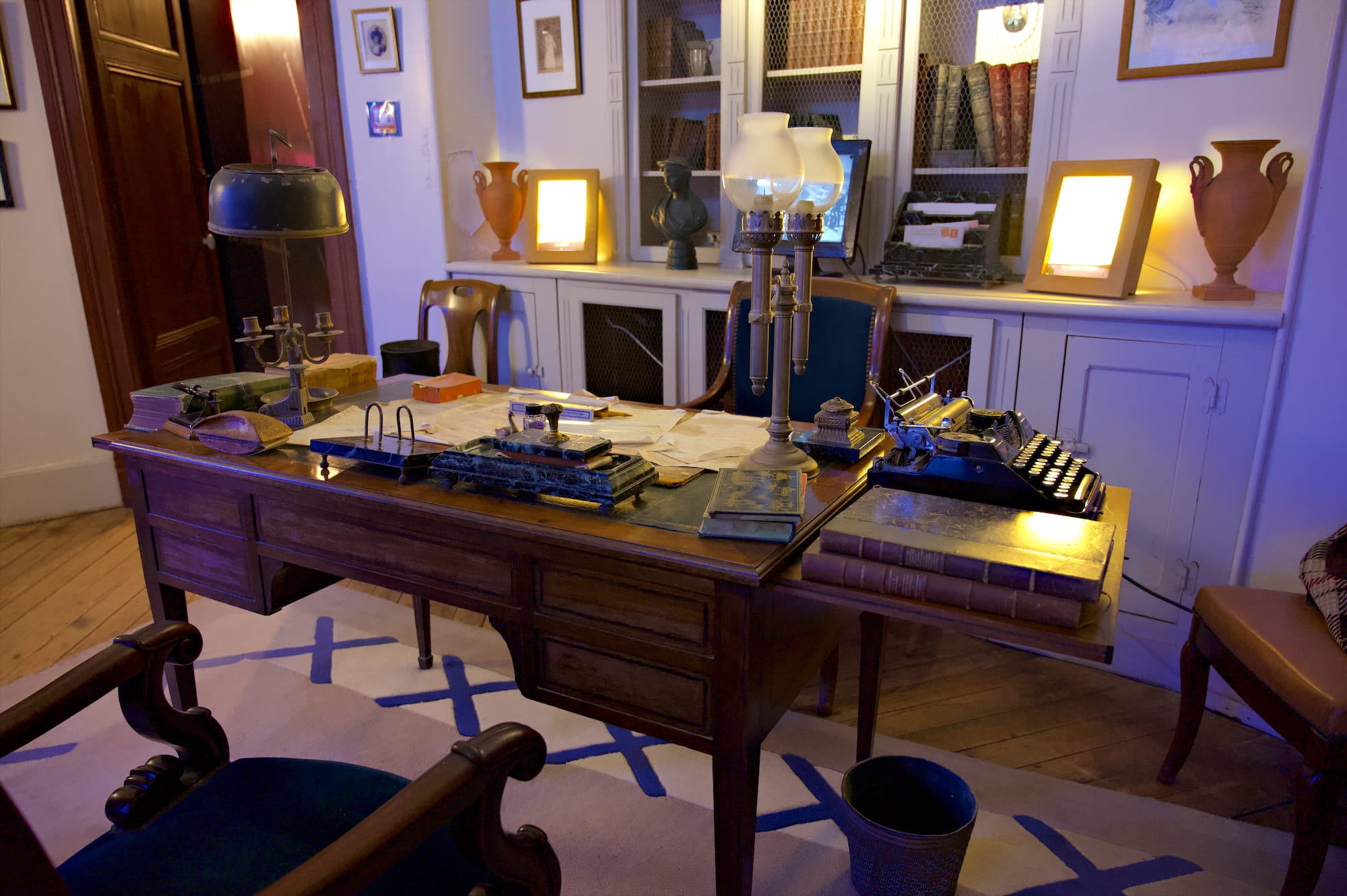
A curiosity for mystery lovers: Étretat is also famous for having been the imaginary hideout of Arsène Lupin, the celebrated gentleman thief created by Maurice Leblanc. The author's villa, now transformed into a museum, is right here and tells the special bond between the writer and these dramatic landscapes that inspired many of his adventures.
Visiting time: 5h
Rouen: the city of a hundred spires
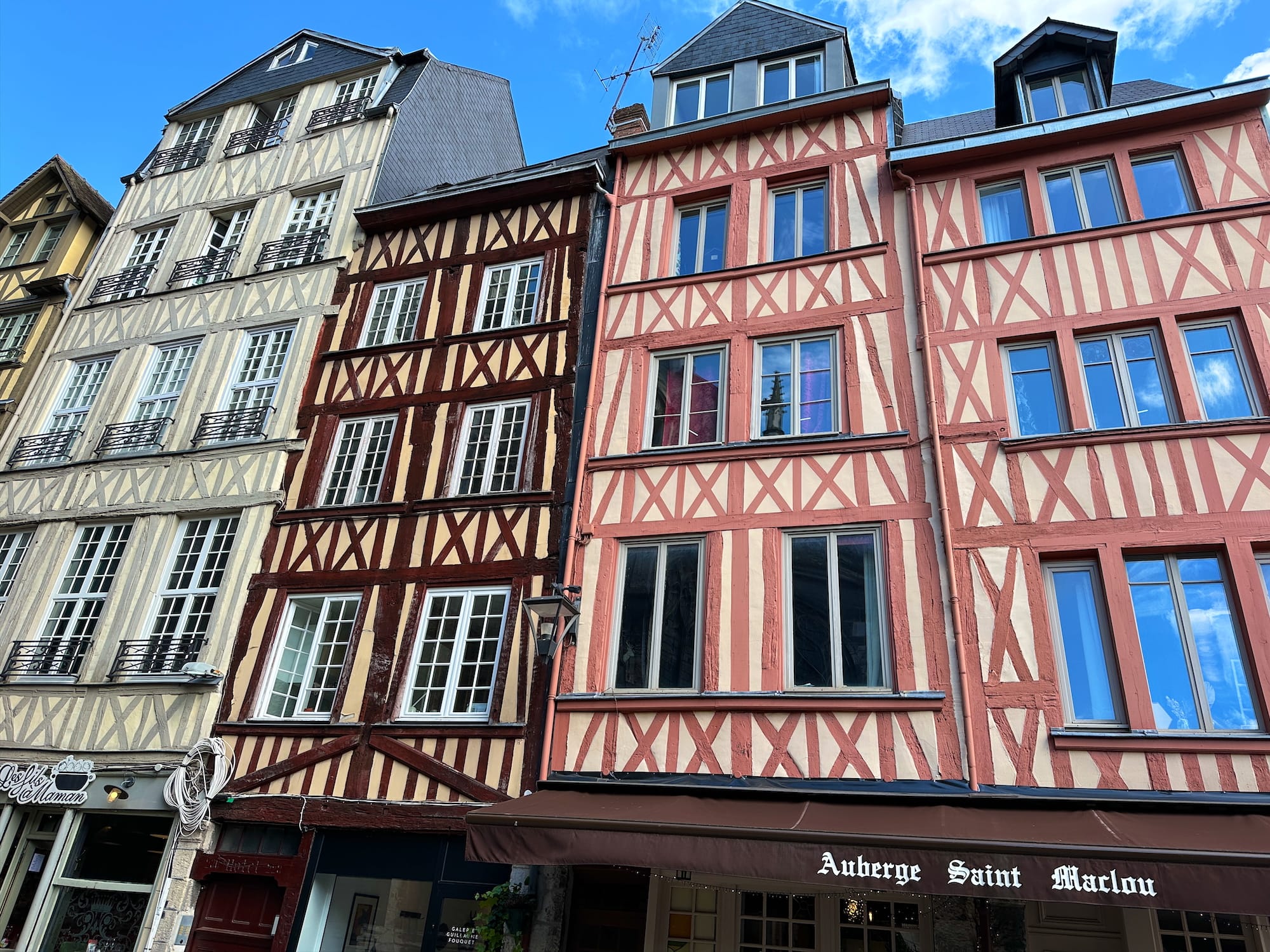
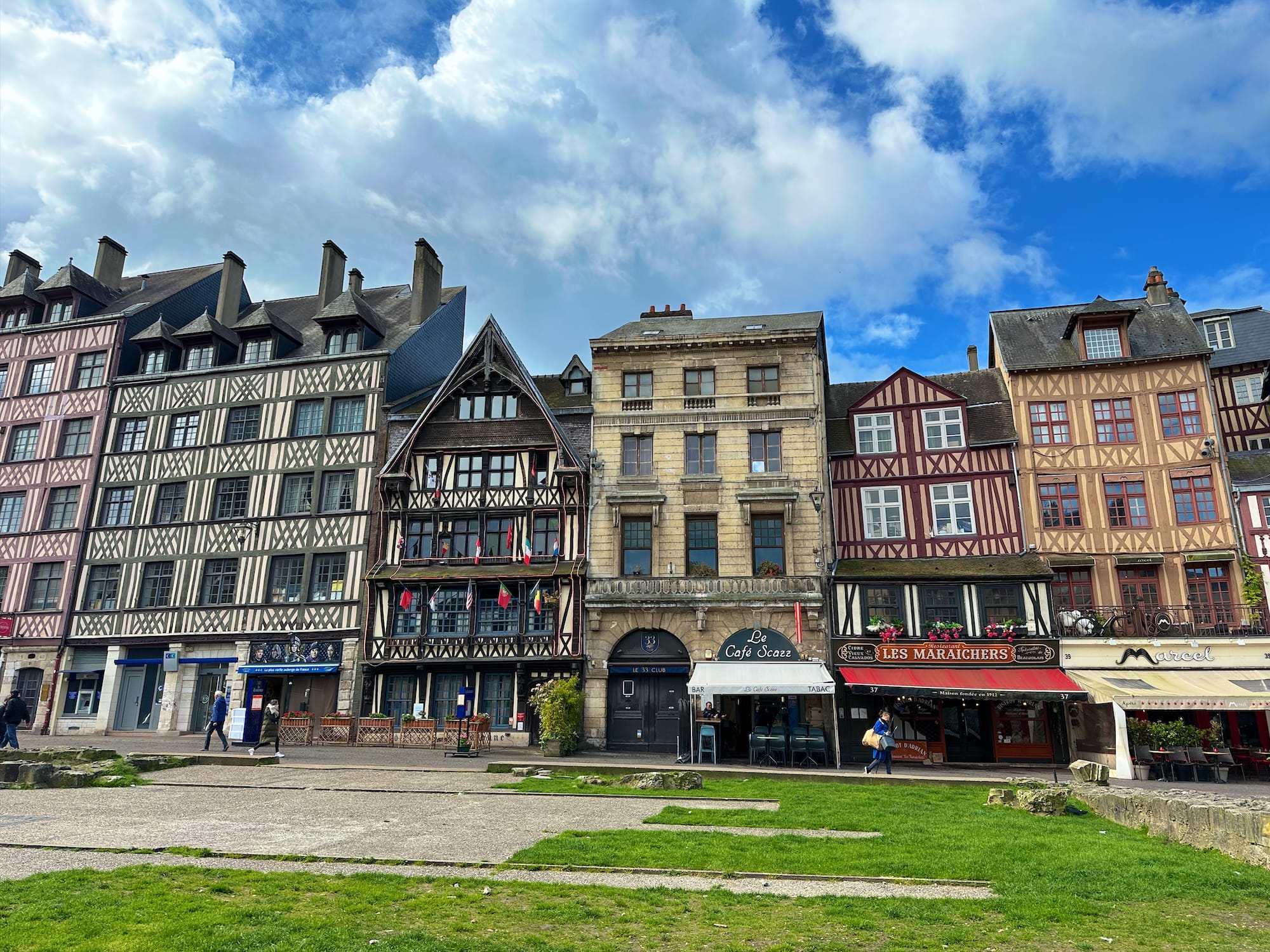
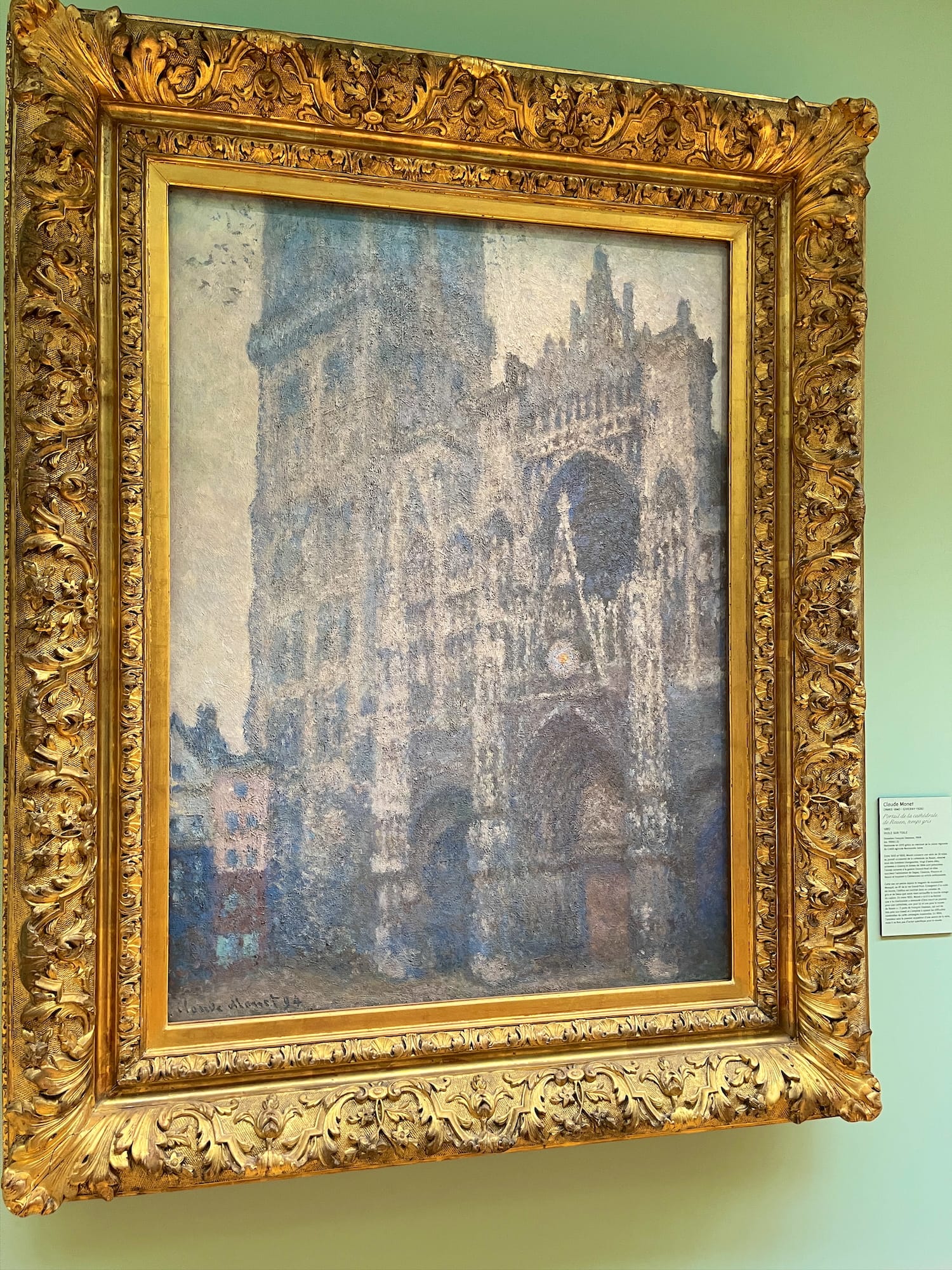
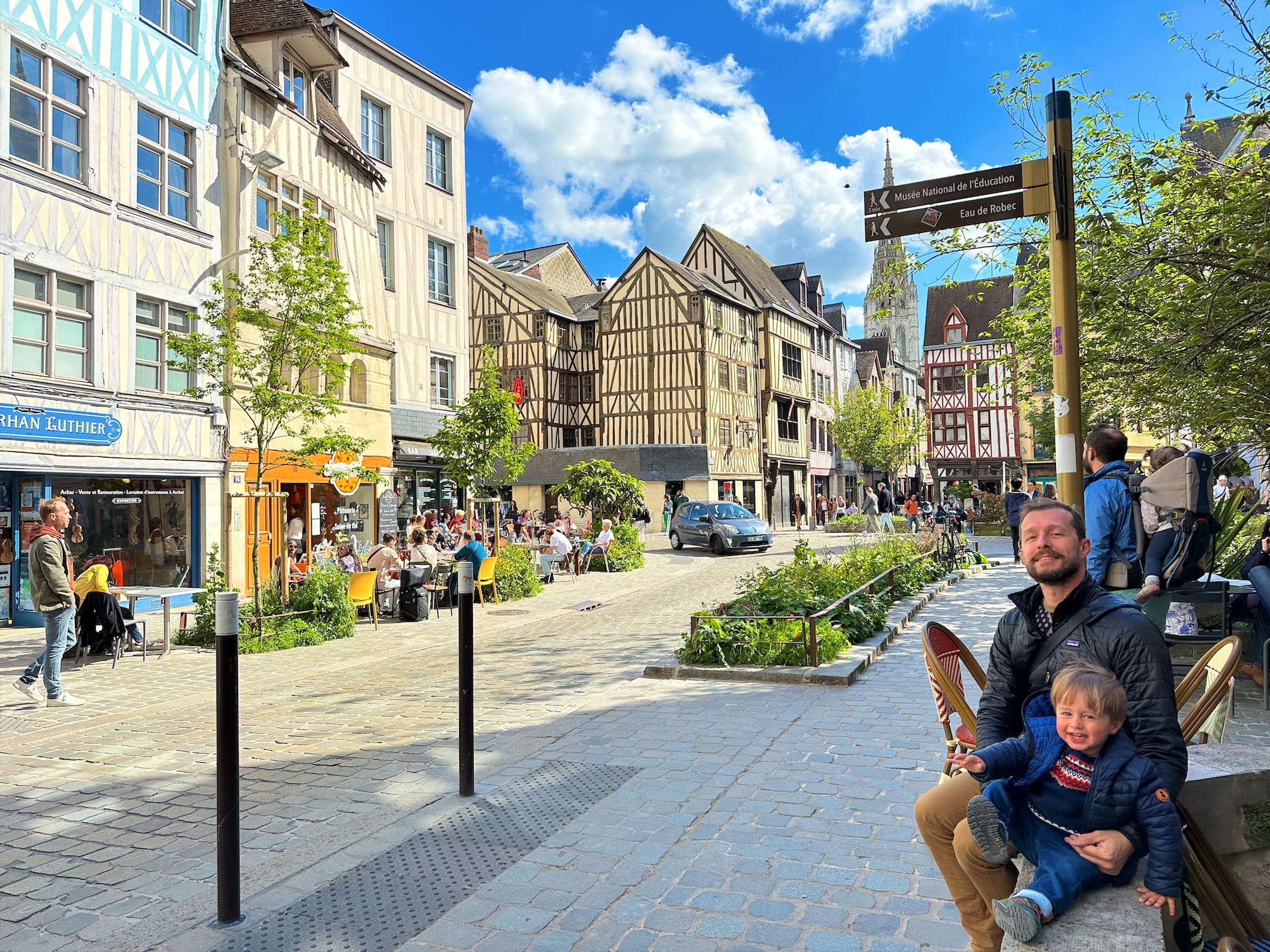
Rouen welcomed us with all the grandeur of one of France's most beautiful medieval cities. Strolling through its historic centre means immersing yourself in centuries of history, among perfectly preserved half-timbered houses, imposing Gothic churches and that Notre-Dame Cathedral that Monet immortalised in so many of his canvases.
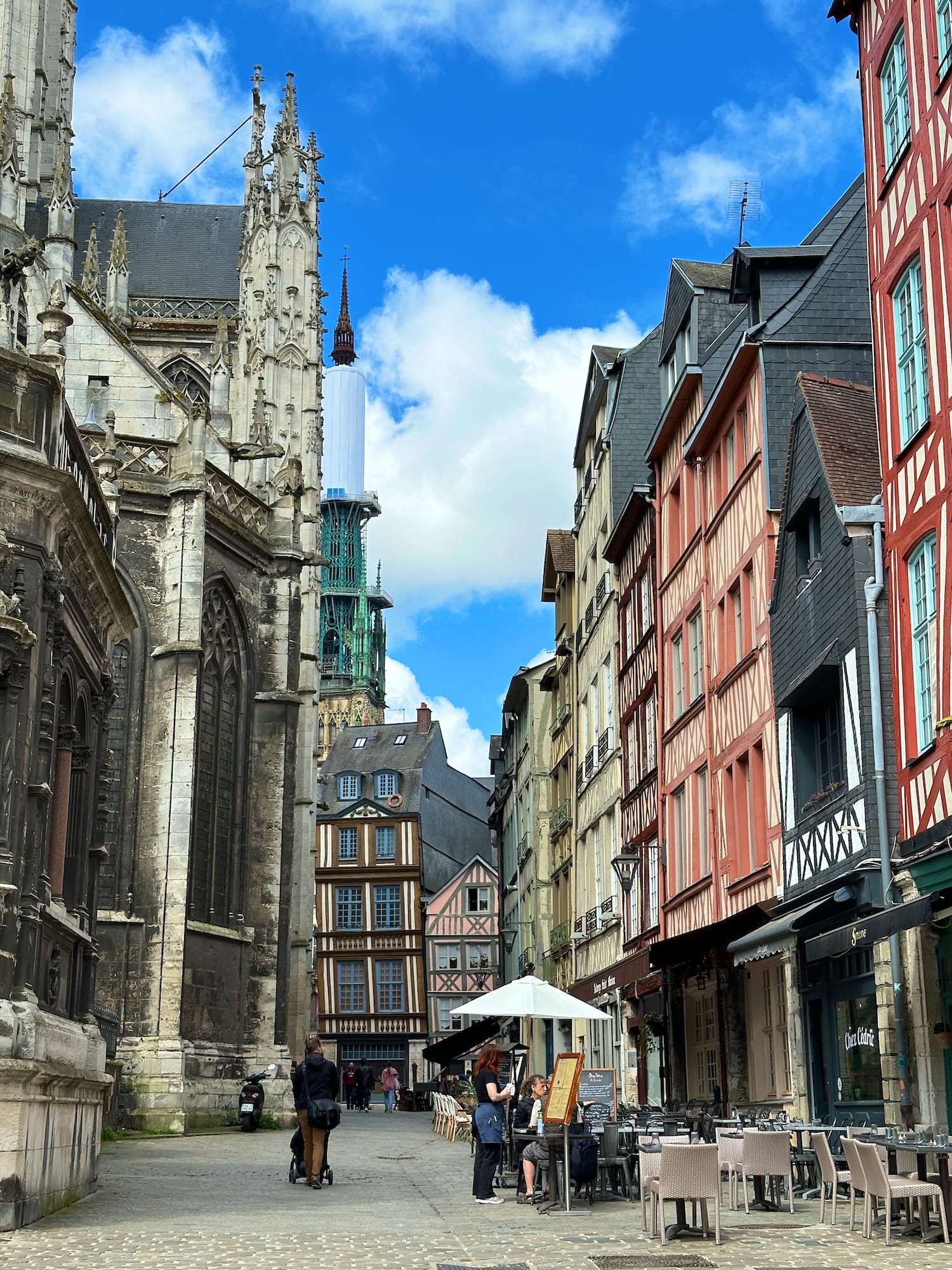
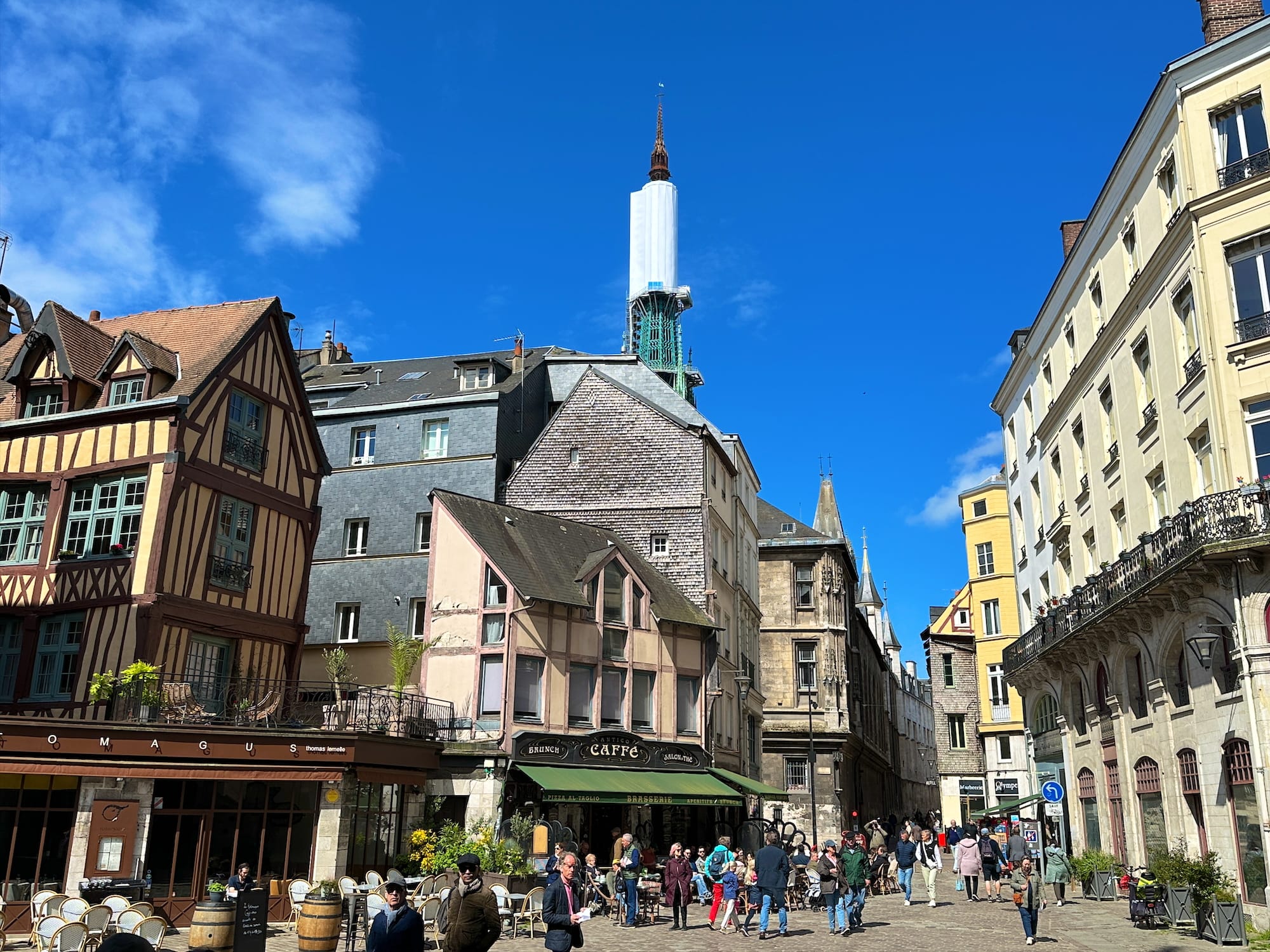
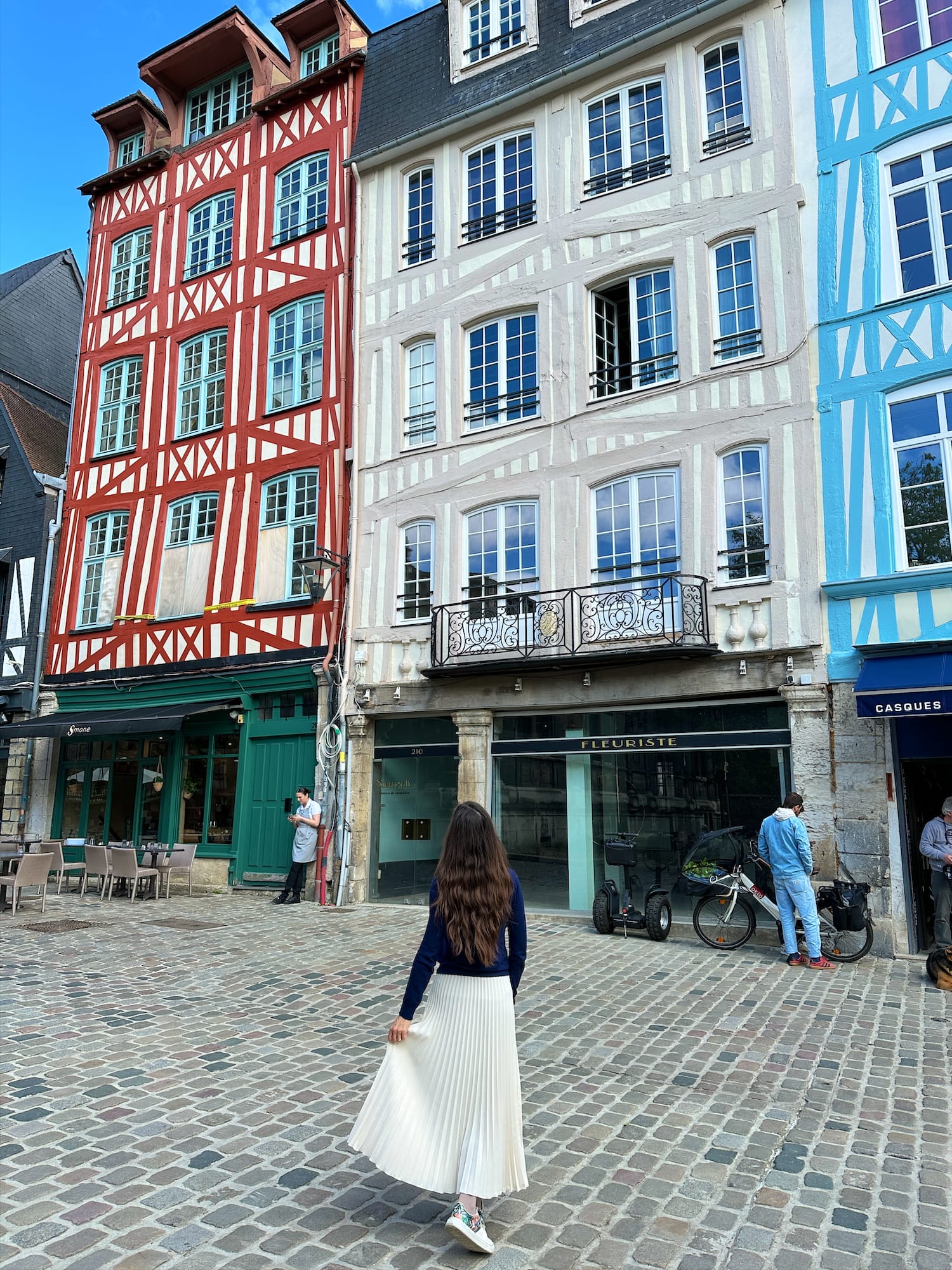
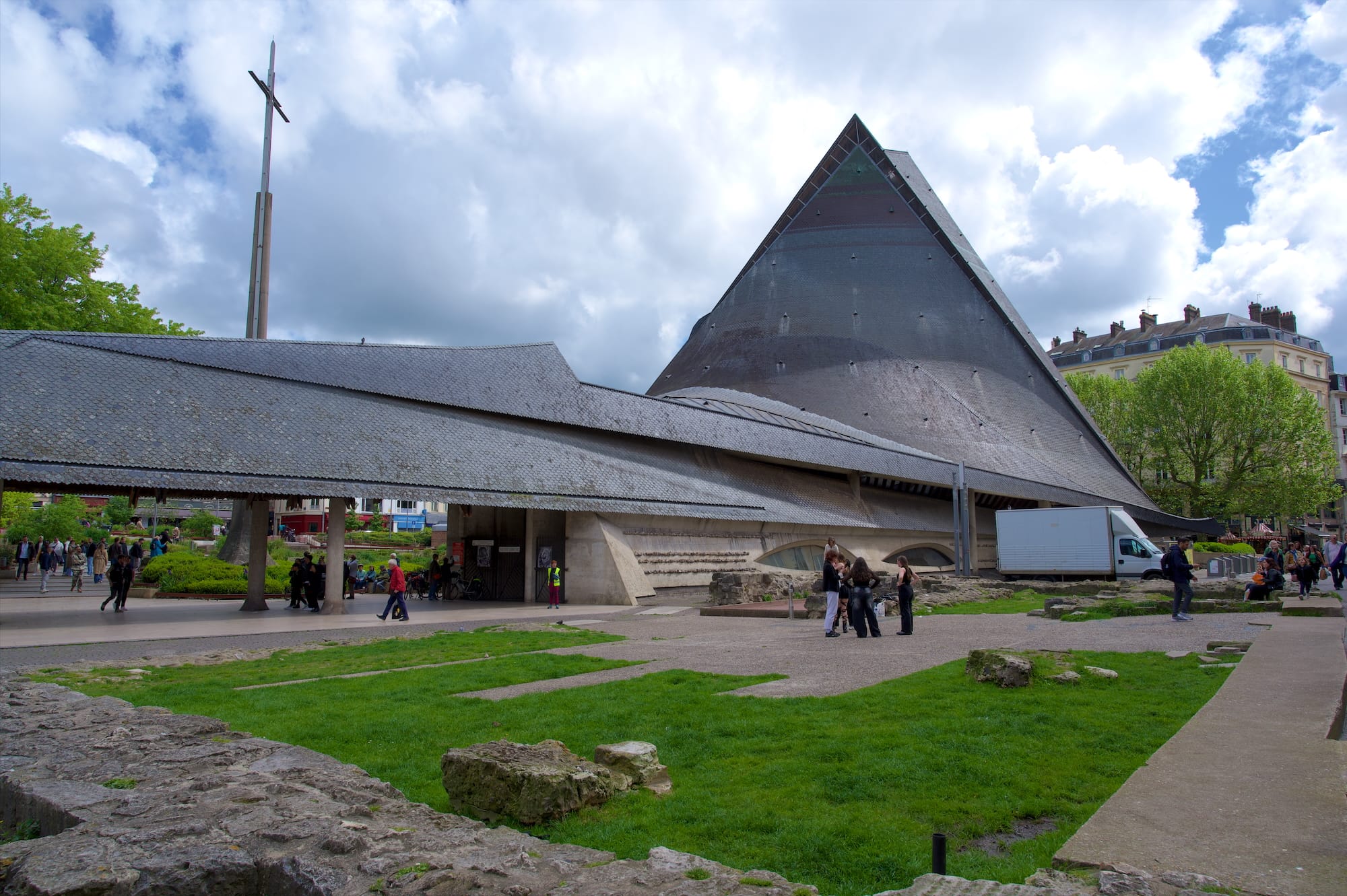
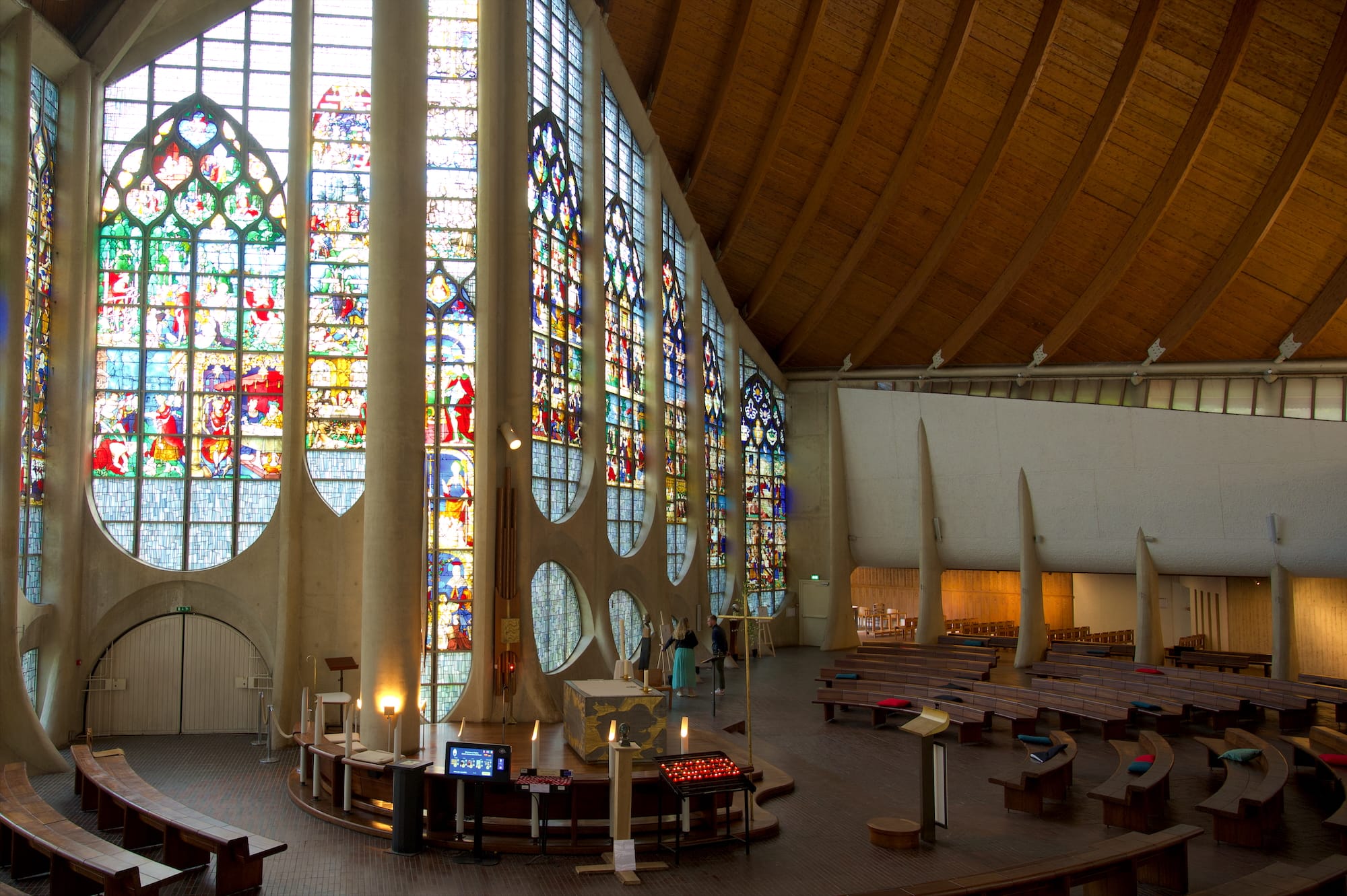
The heart of the city beats in the splendid Place du Vieux-Marché, where the ultra-modern Church of Saint Joan of Arc stands on the very spot where she was burned at the stake. Its contemporary architecture, with a roof evoking the flames, creates an evocative contrast with the surrounding medieval houses and shelters Renaissance stained glass windows of rare beauty.
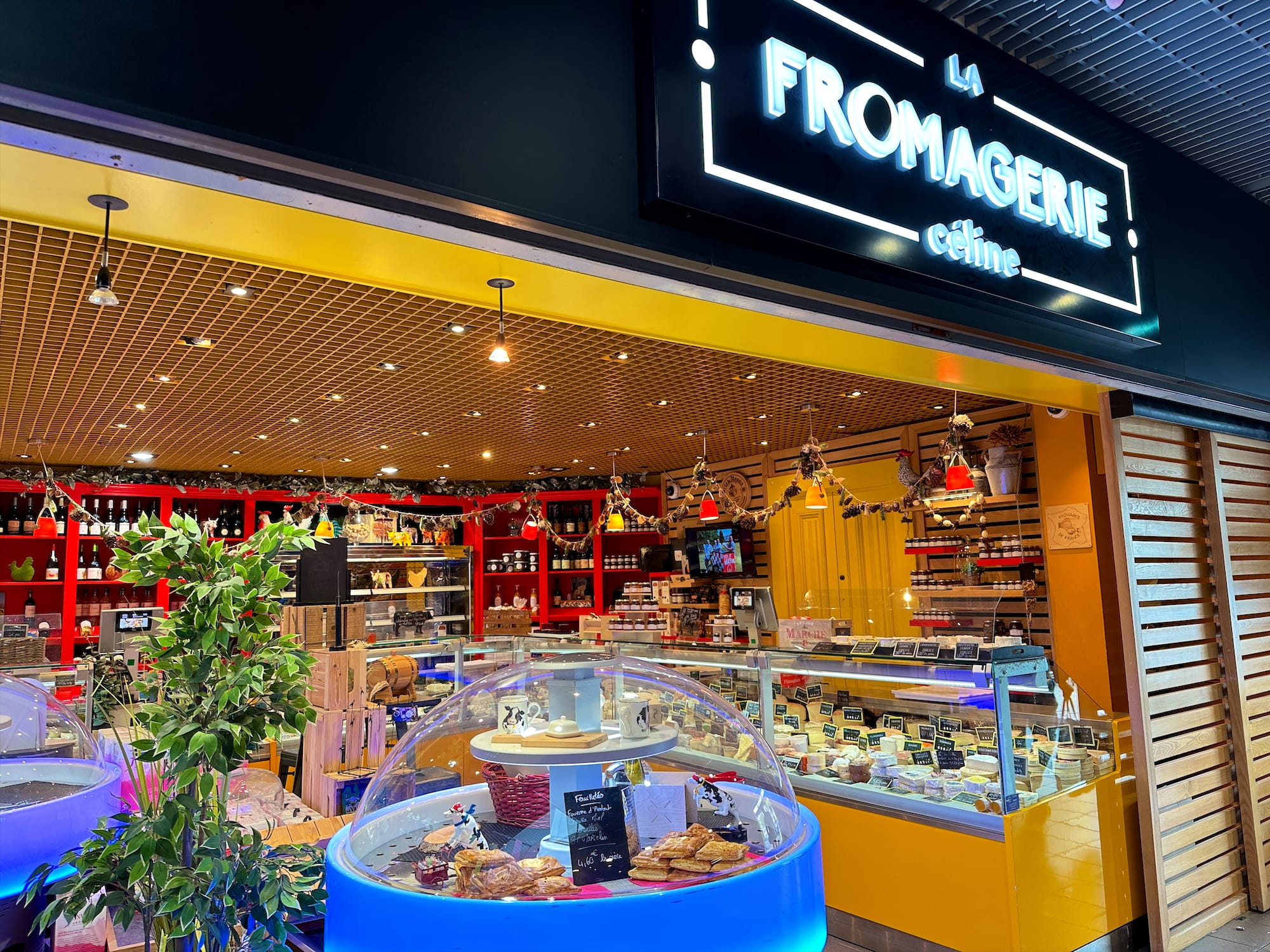
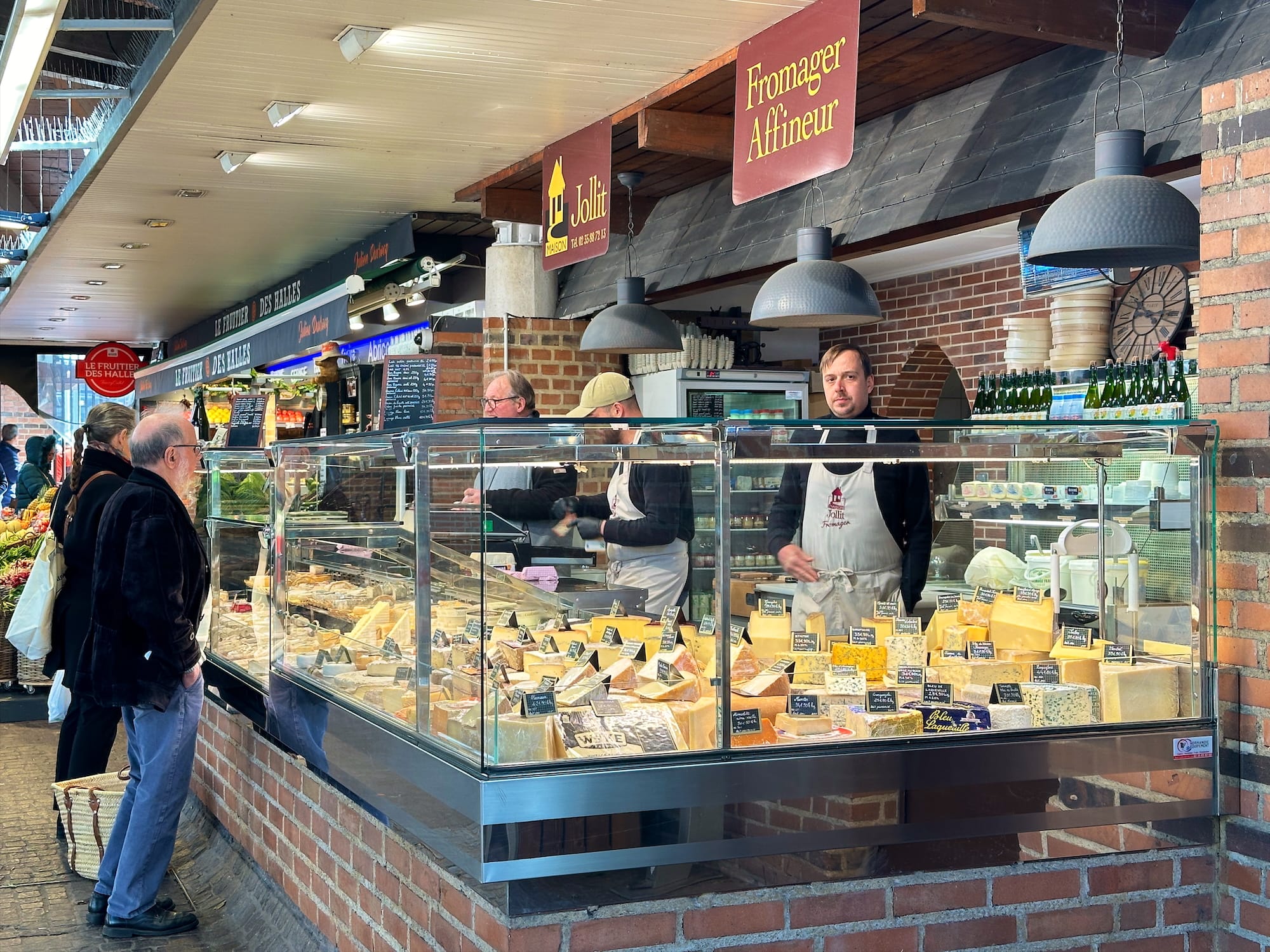
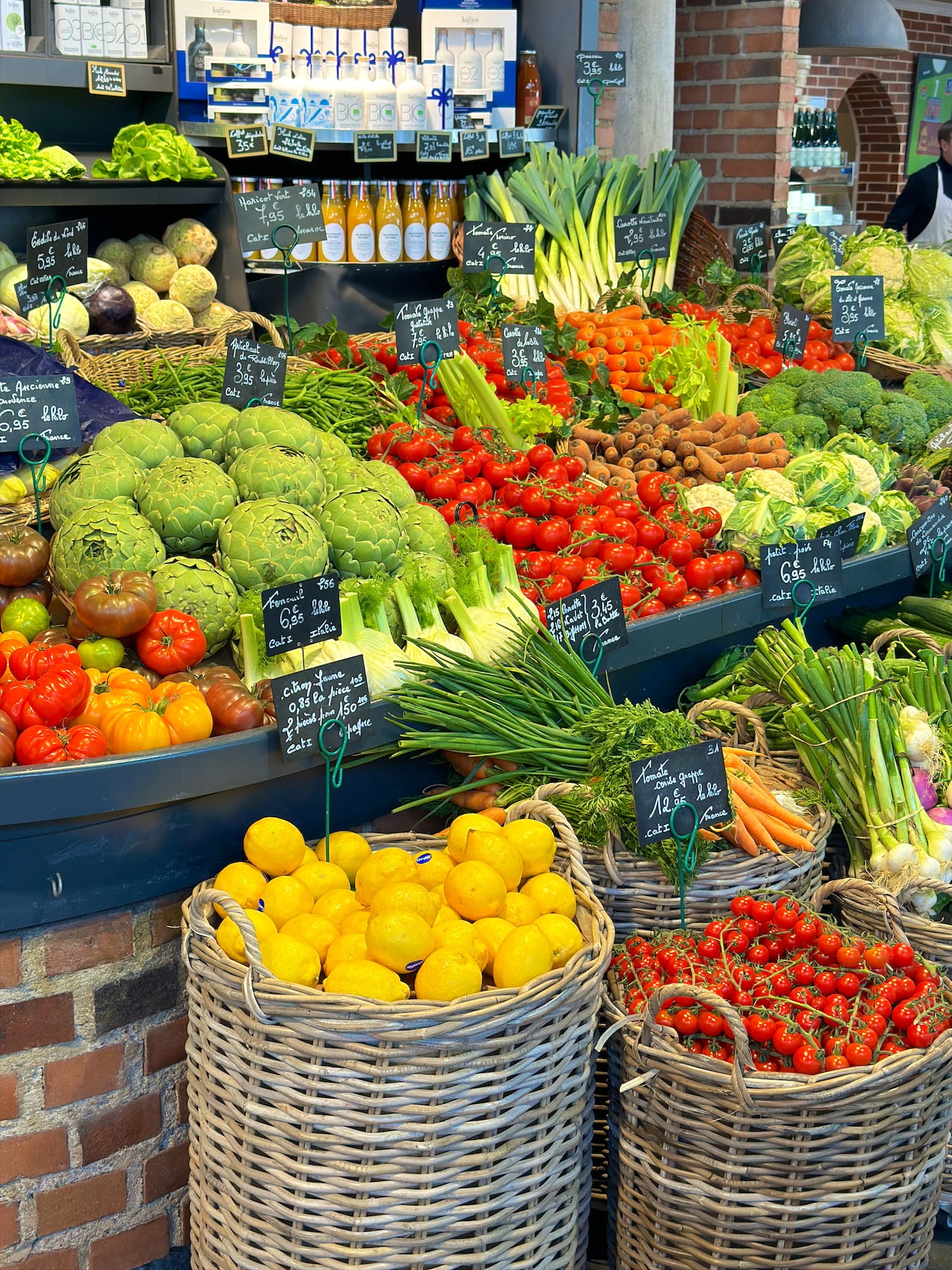
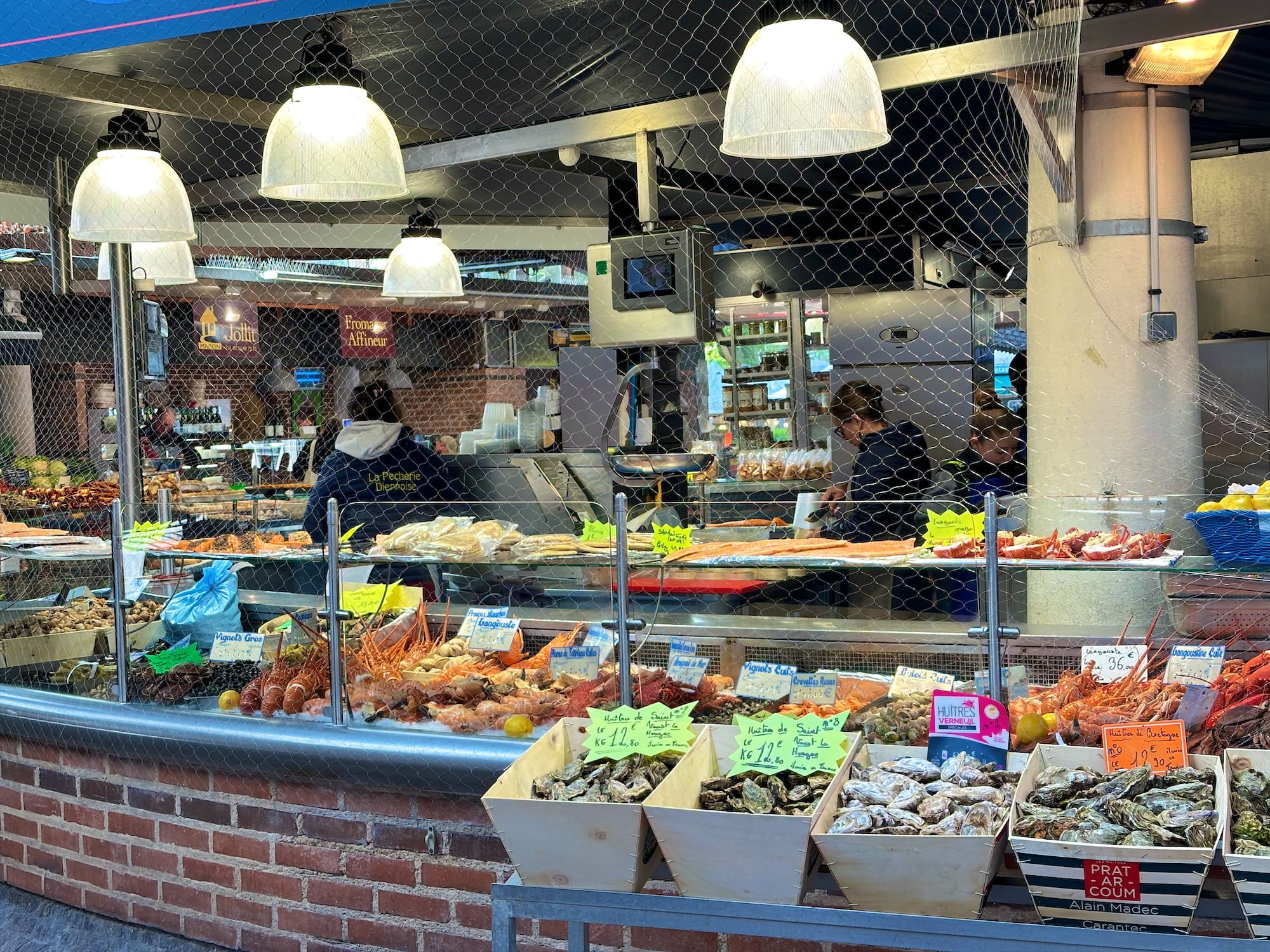
Right beside the church, the covered market Les Halles du Vieux-Marché is an unmissable stop to savour the authentic flavours of Normandy: a visit to the cheese stall here is simply not to be skipped — what a selection!
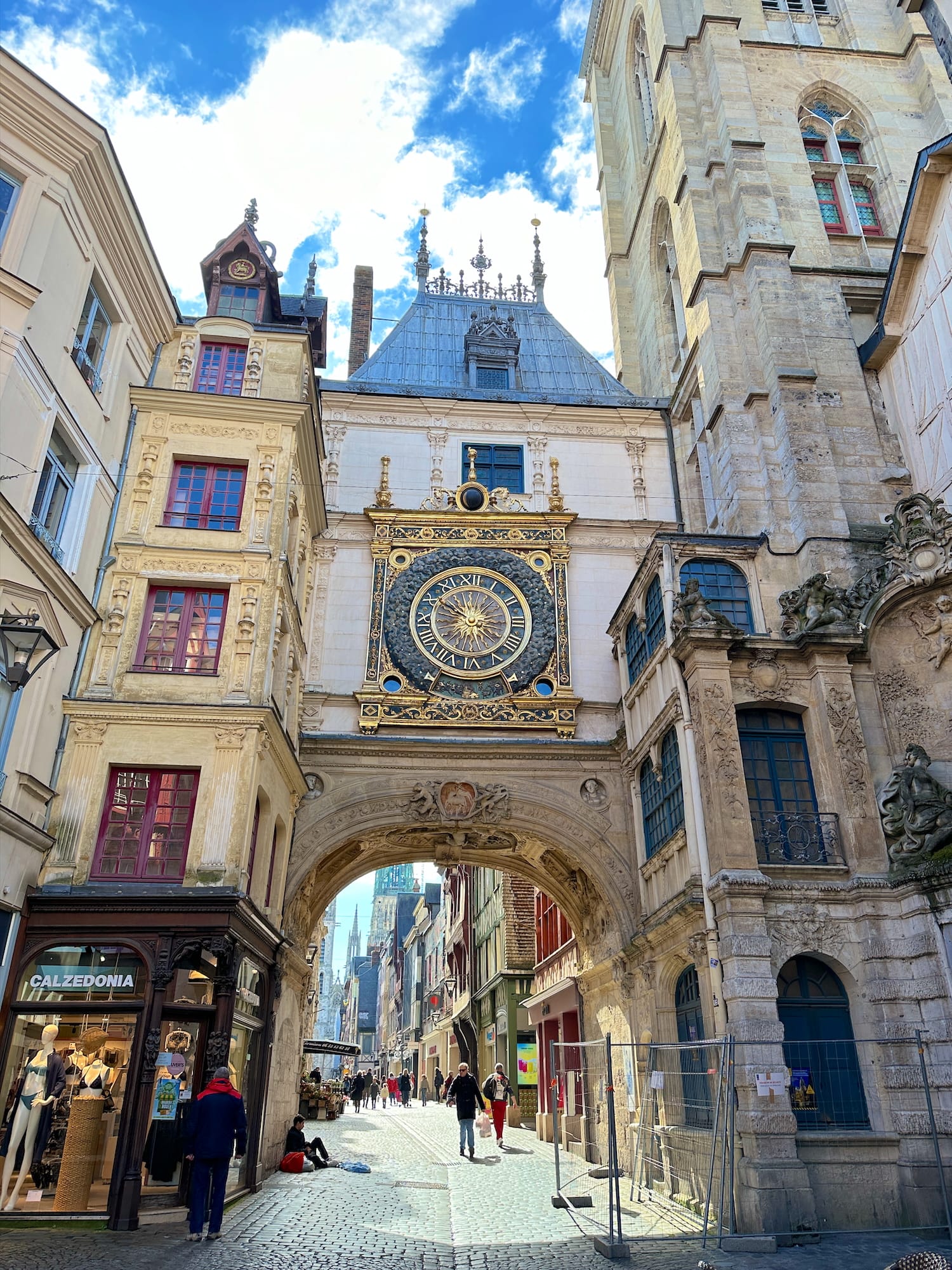
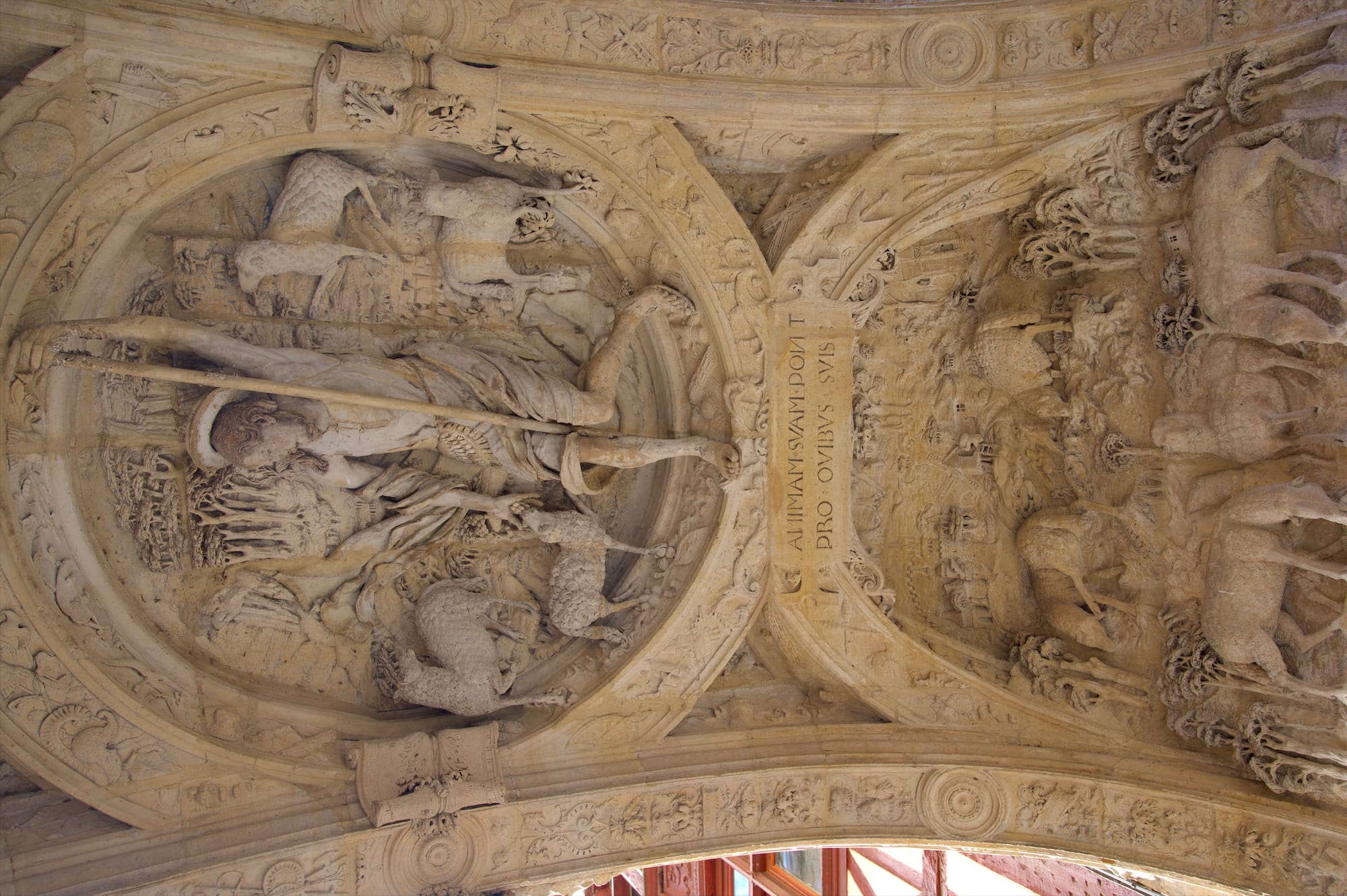
Also not to be missed is the astronomical clock on Rue du Gros-Horloge: it sits beneath an arch and if you wish you can visit the interior to understand its complexity.
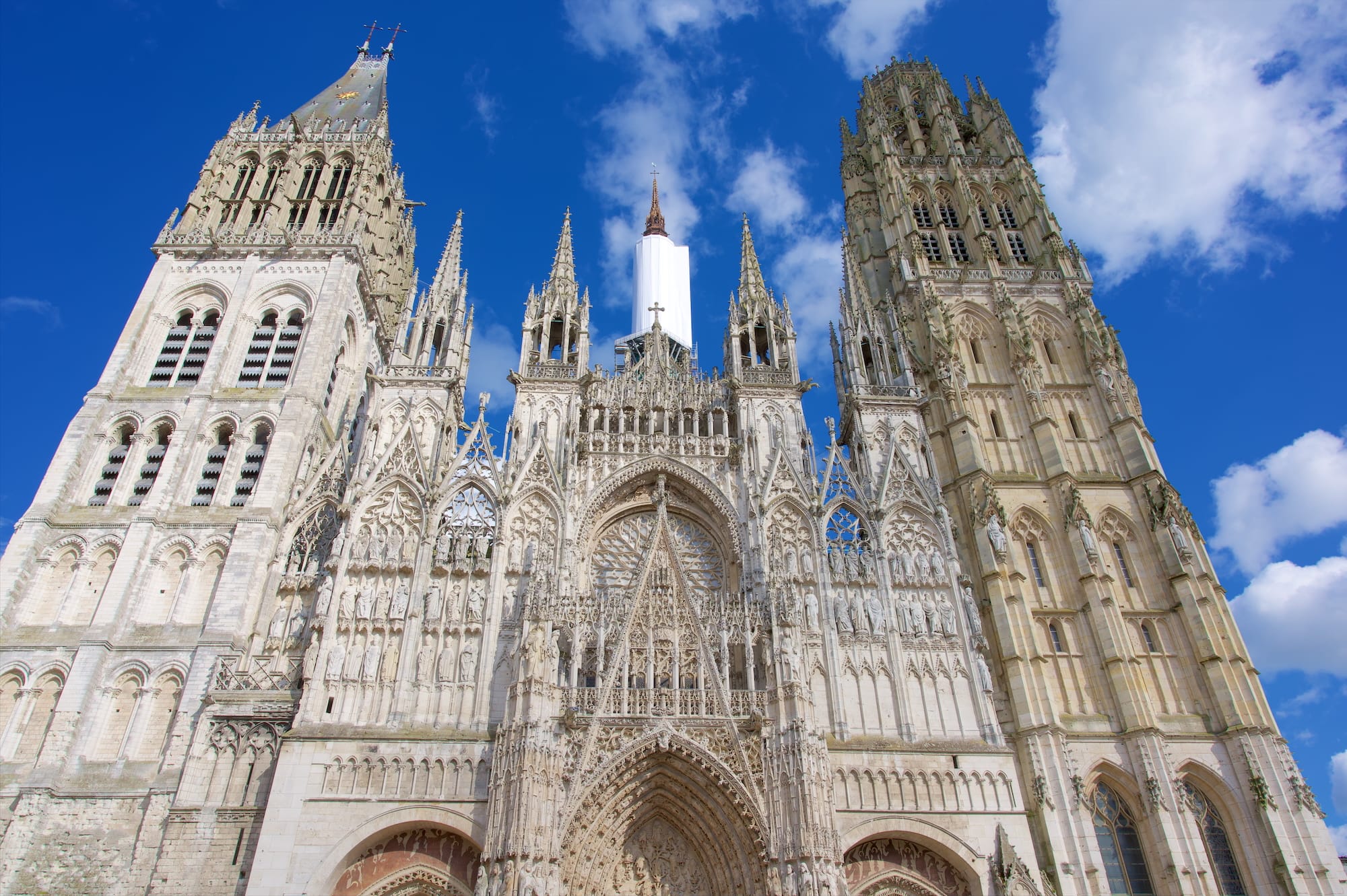
The Cathedral with its flamboyant Gothic facade offers a different emotion at every hour of the day, exactly as Monet perceived in his celebrated paintings.
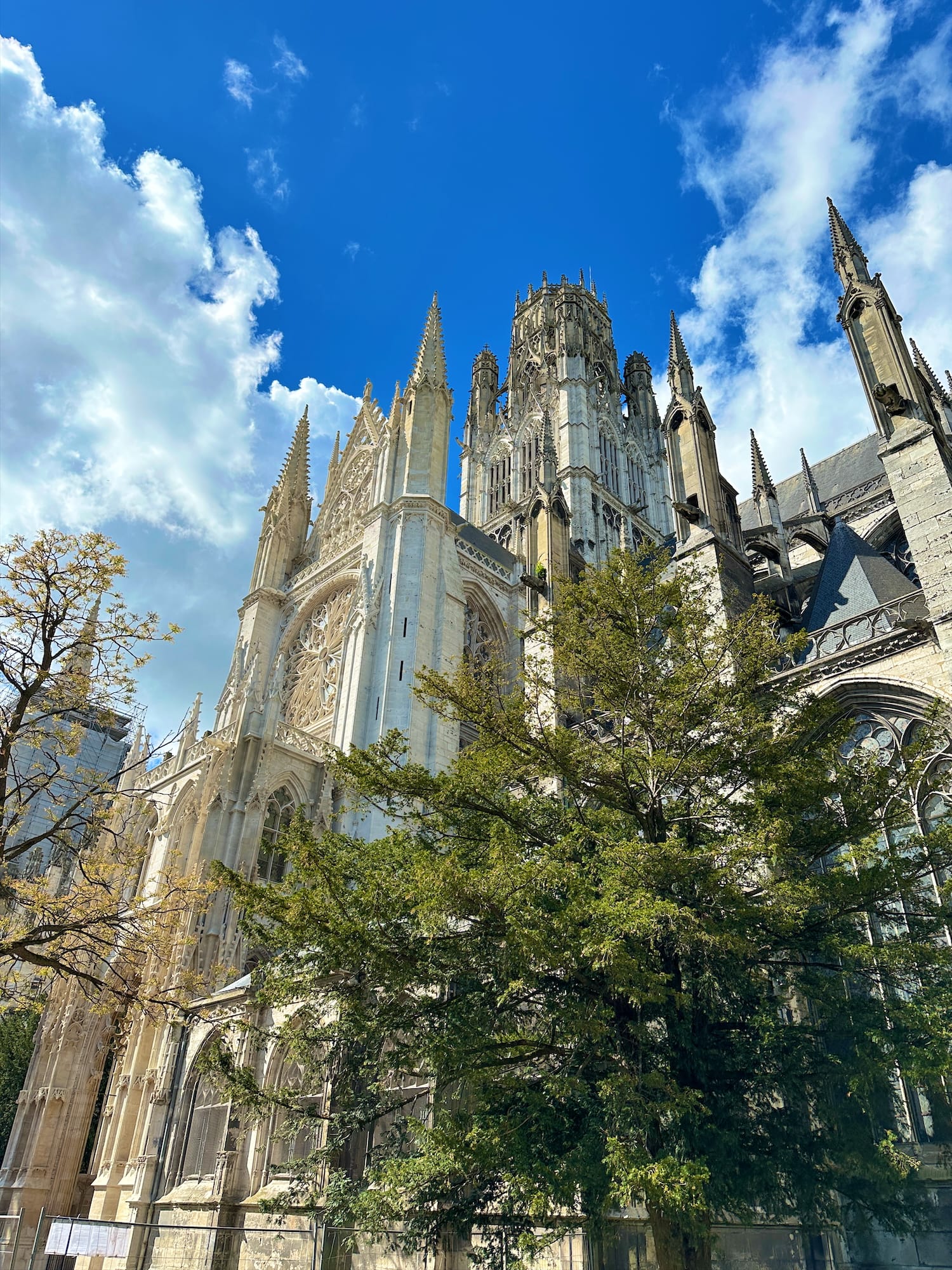
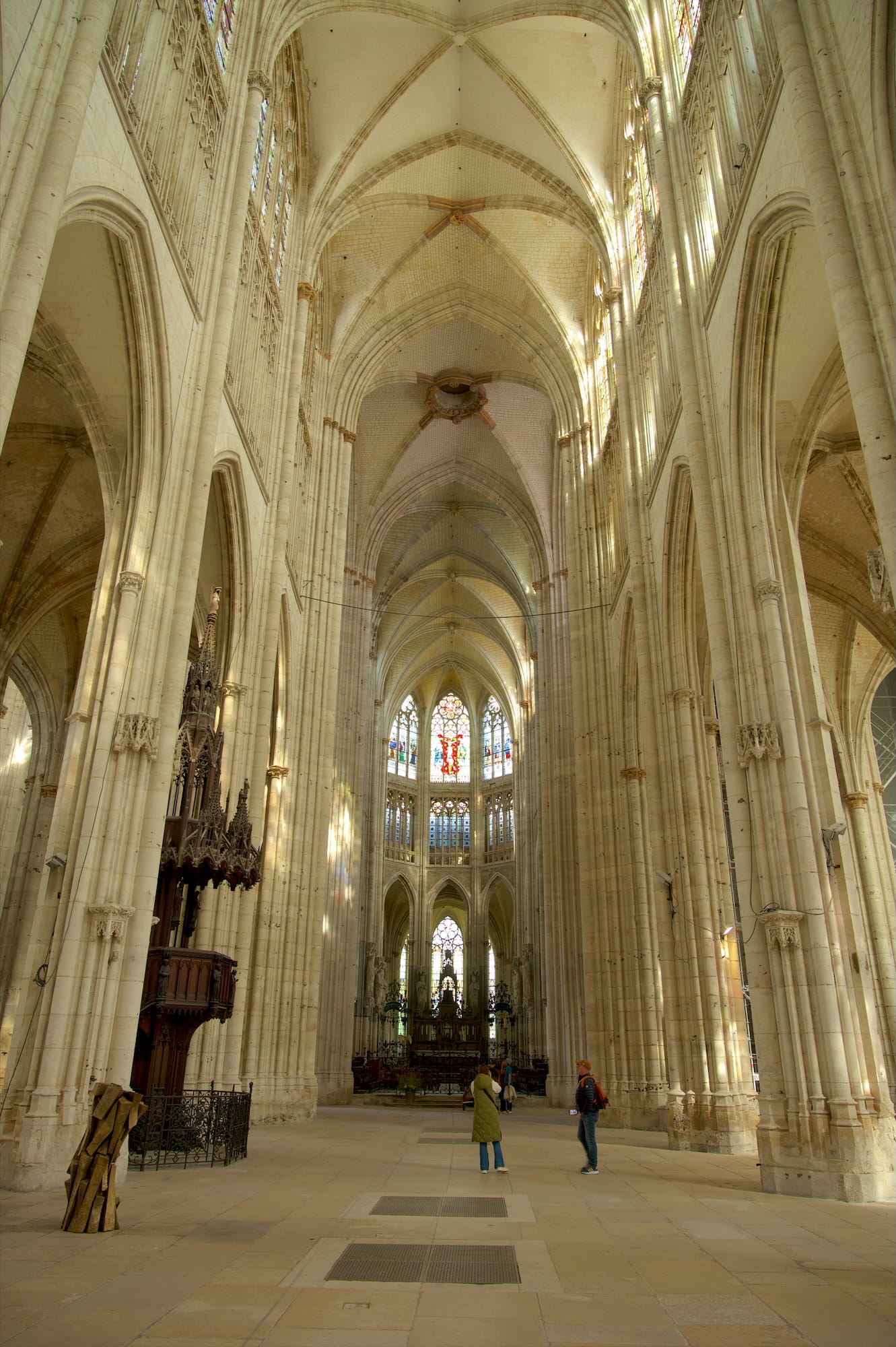
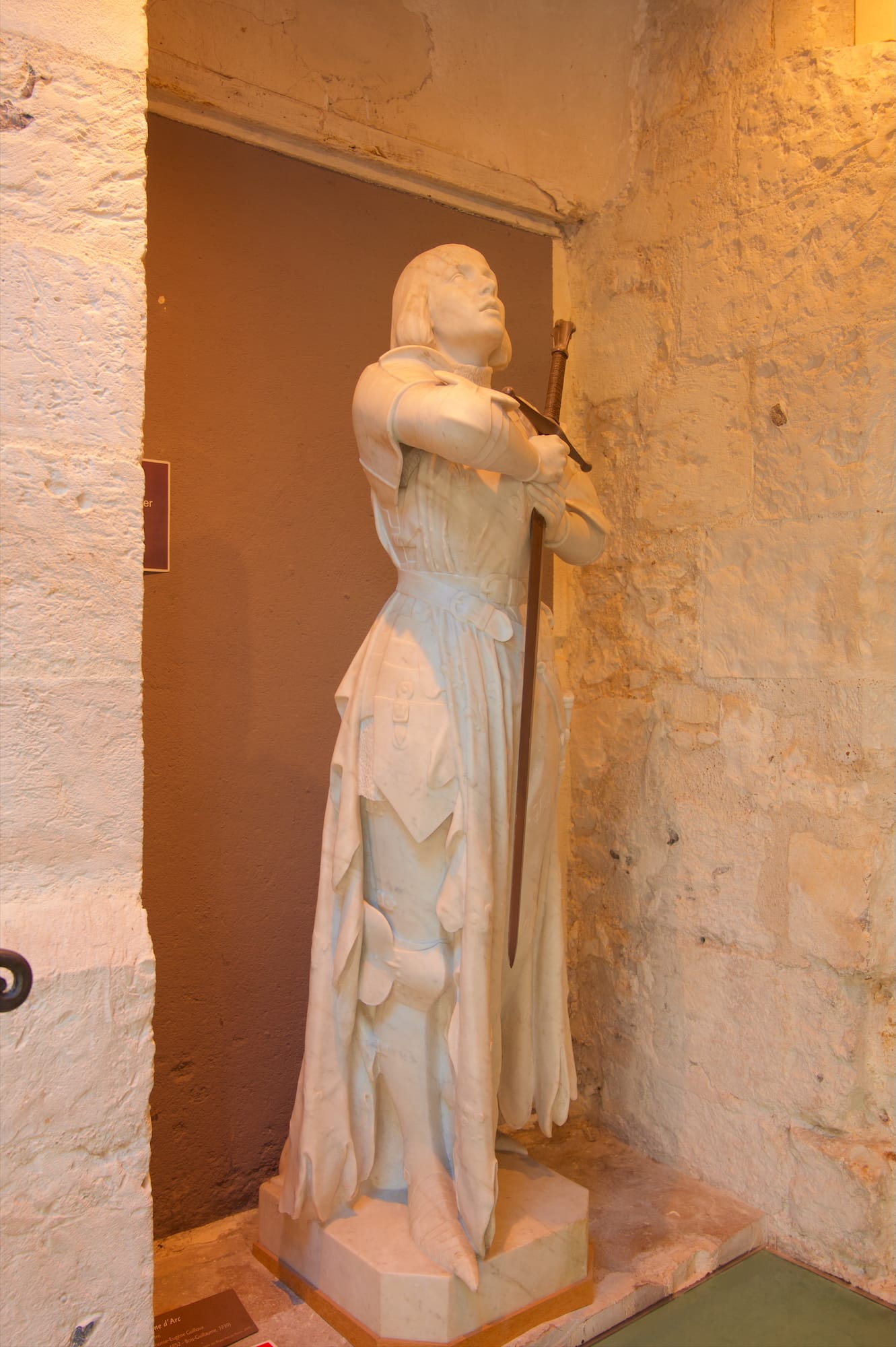
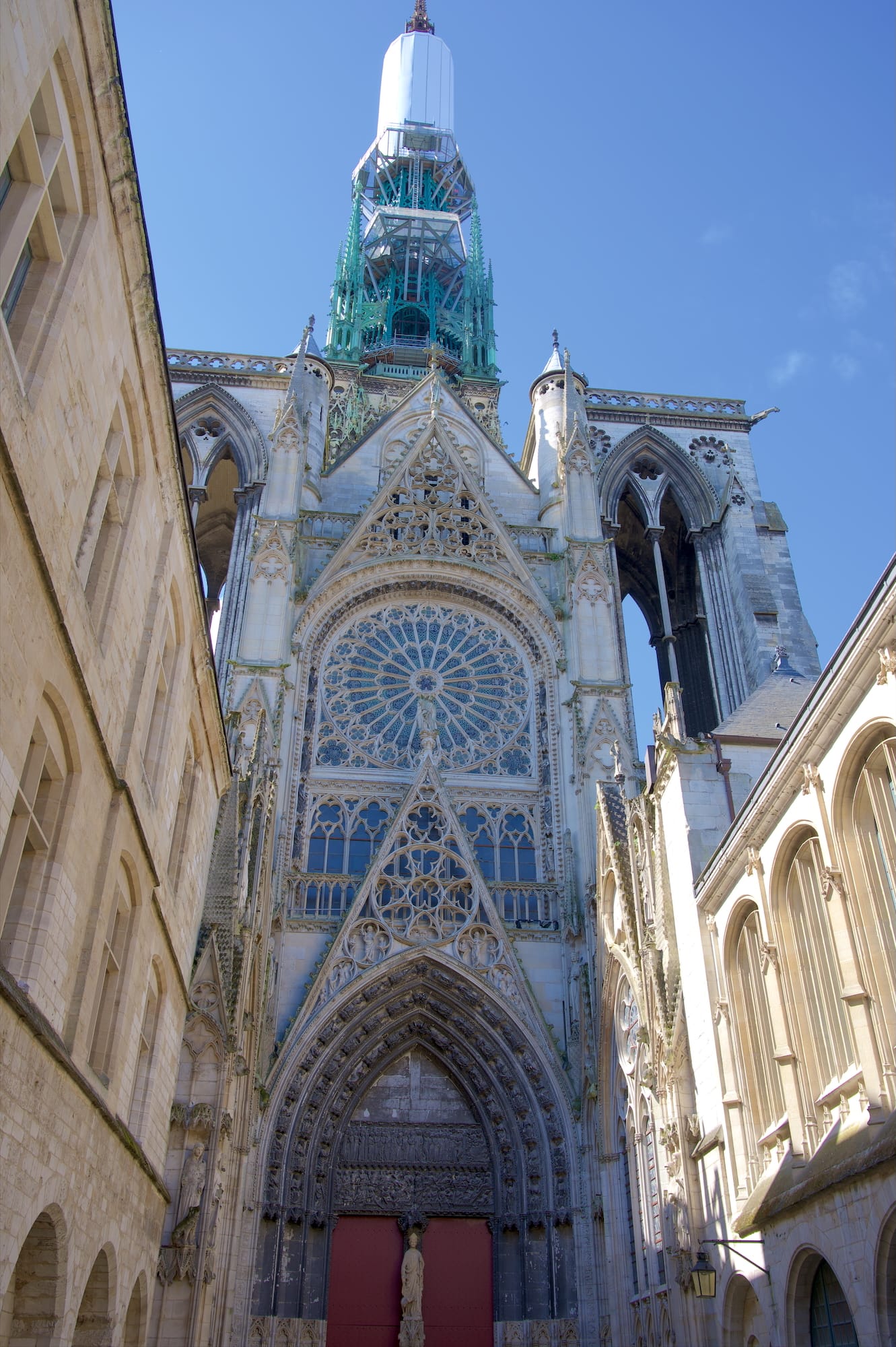
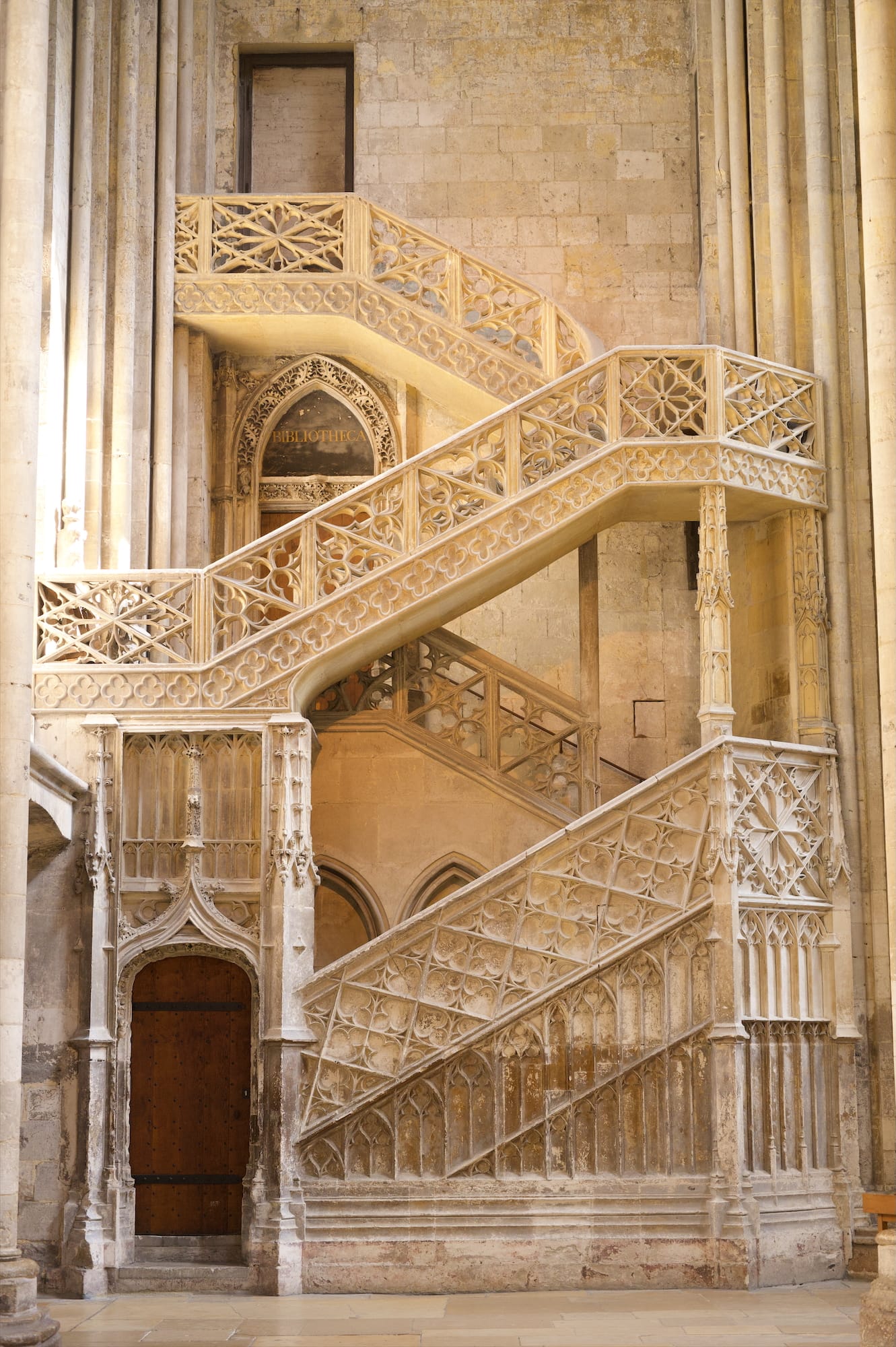
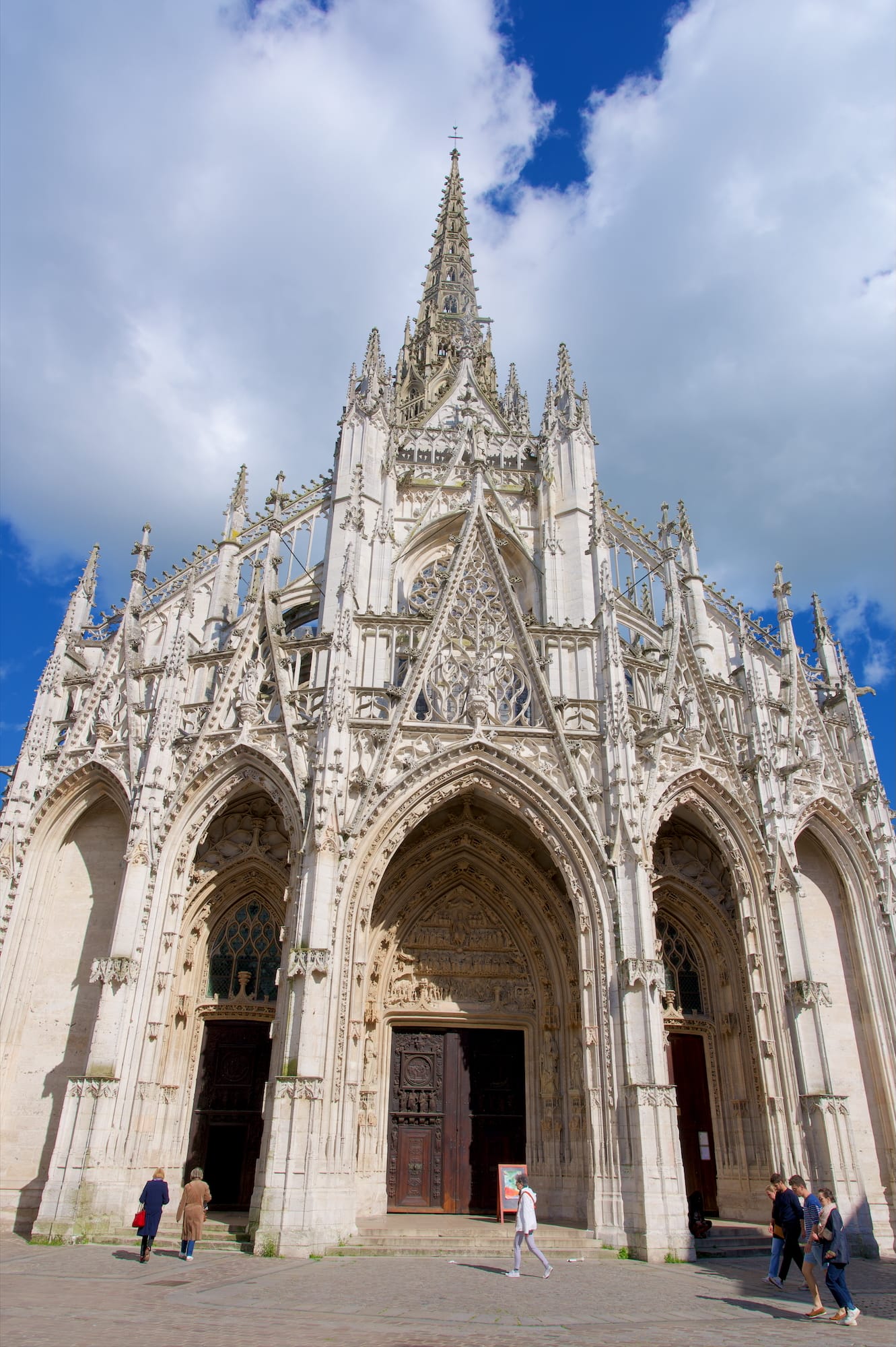
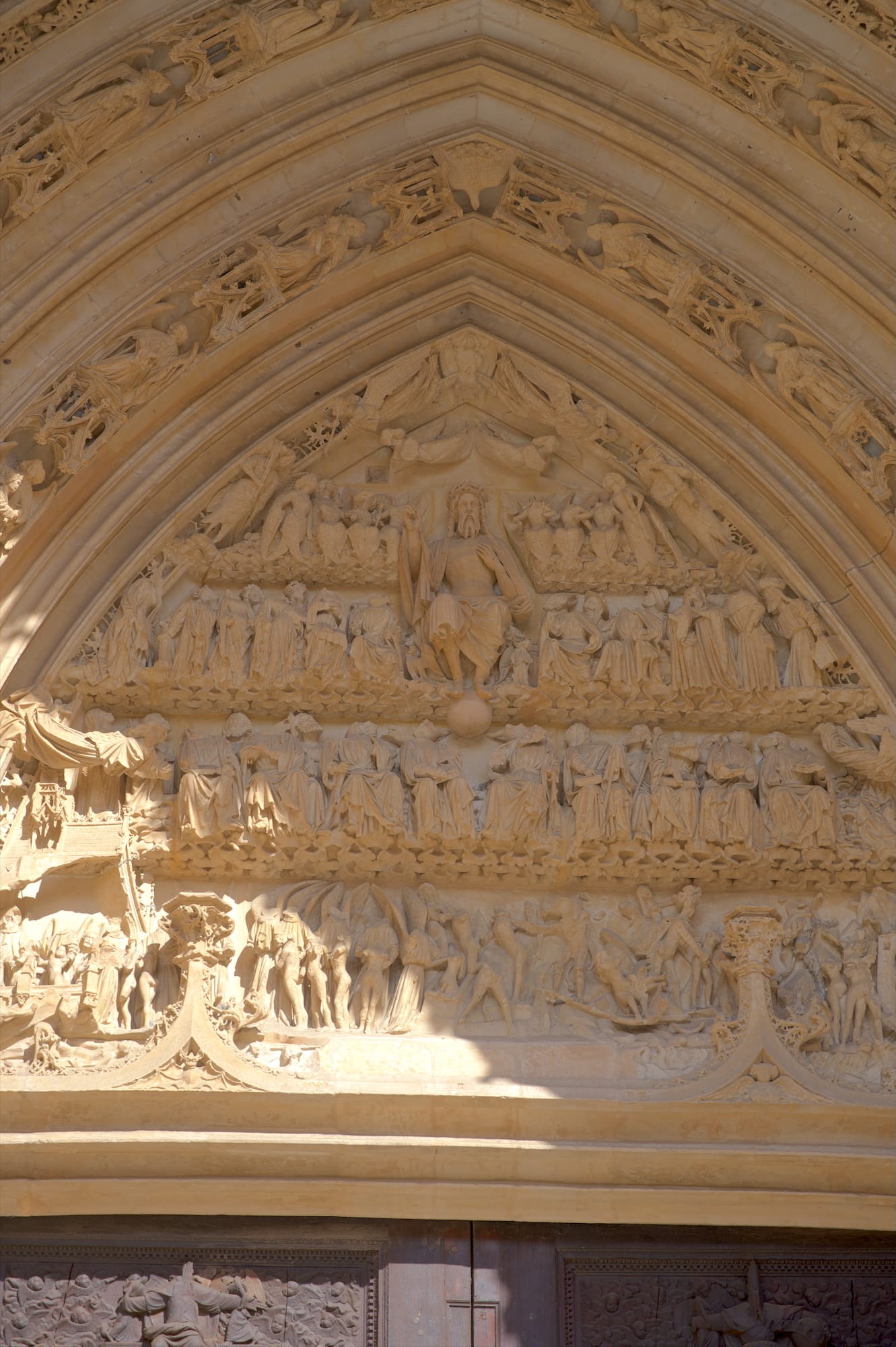
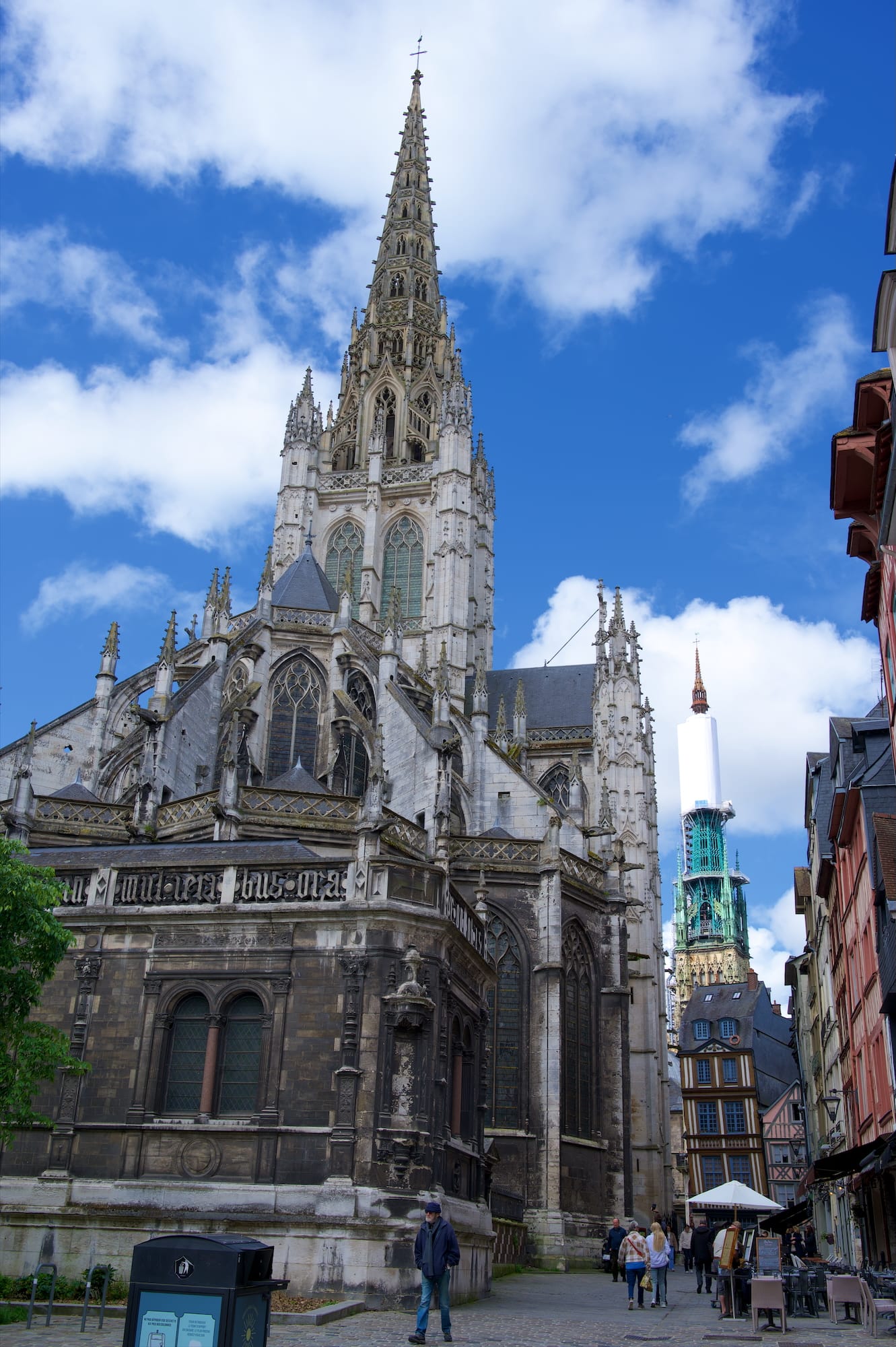
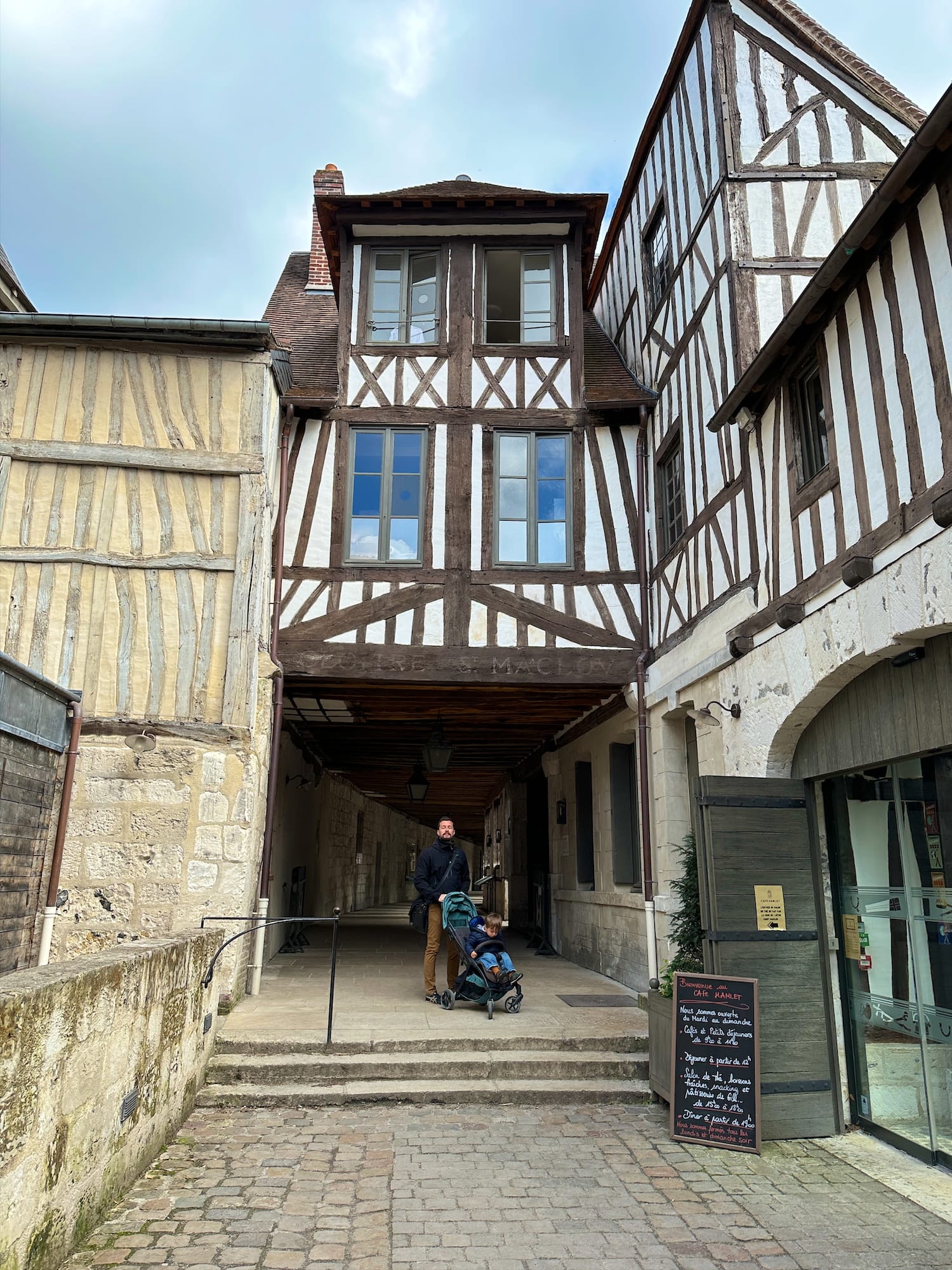
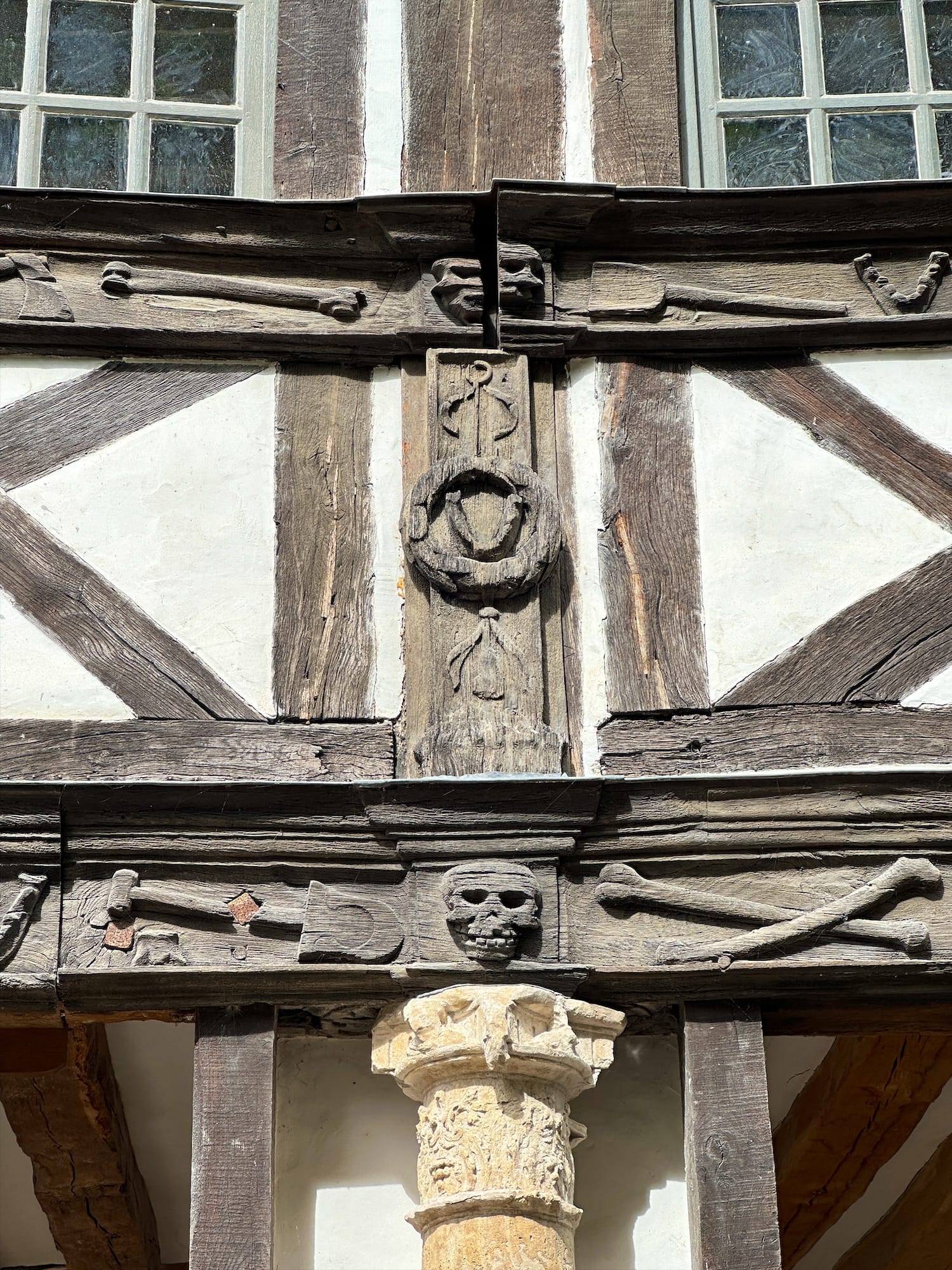
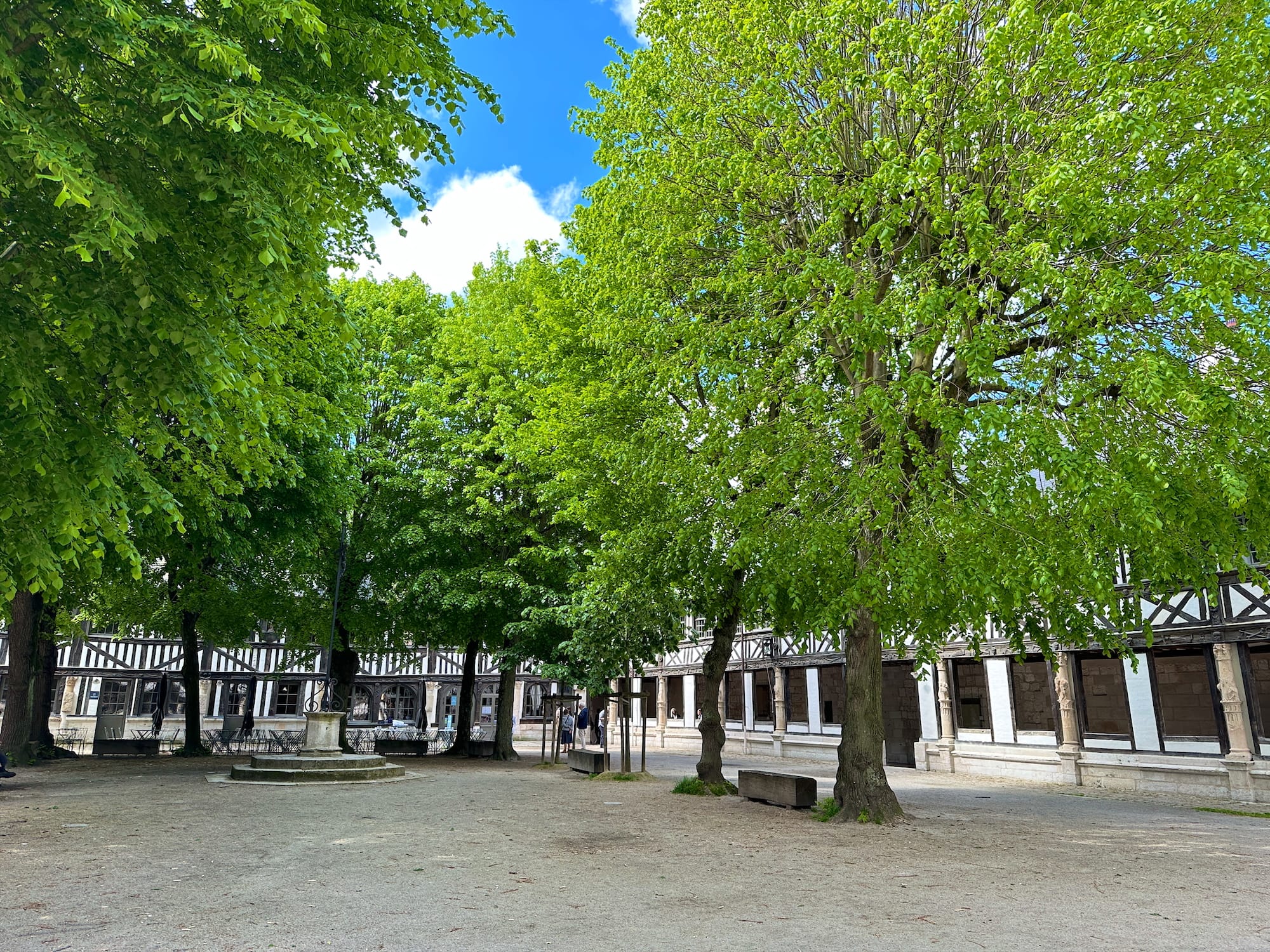
Equally fascinating is the Church of Saint-Maclou, a flamboyant Gothic gem often overlooked by visitors. Its richly decorated facade and sculpted portal tell stories of faith and medieval art. Nearby is the Aître, the ancient cemetery cloister where macabre decorations featuring countless skulls and bones carved in wood can still be seen. This is also where the mysterious mummified cat is found, walled into a beam during restoration works.
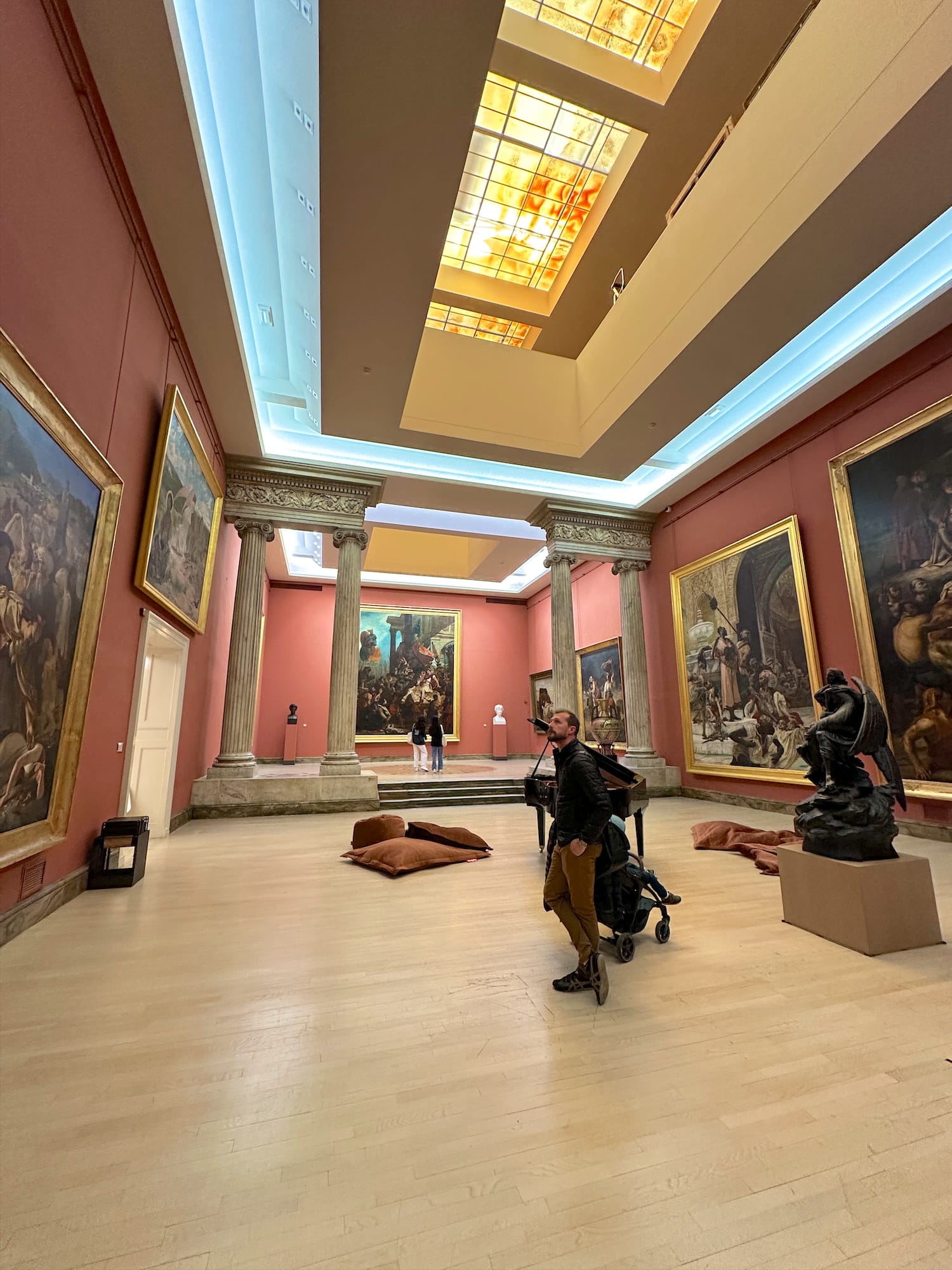
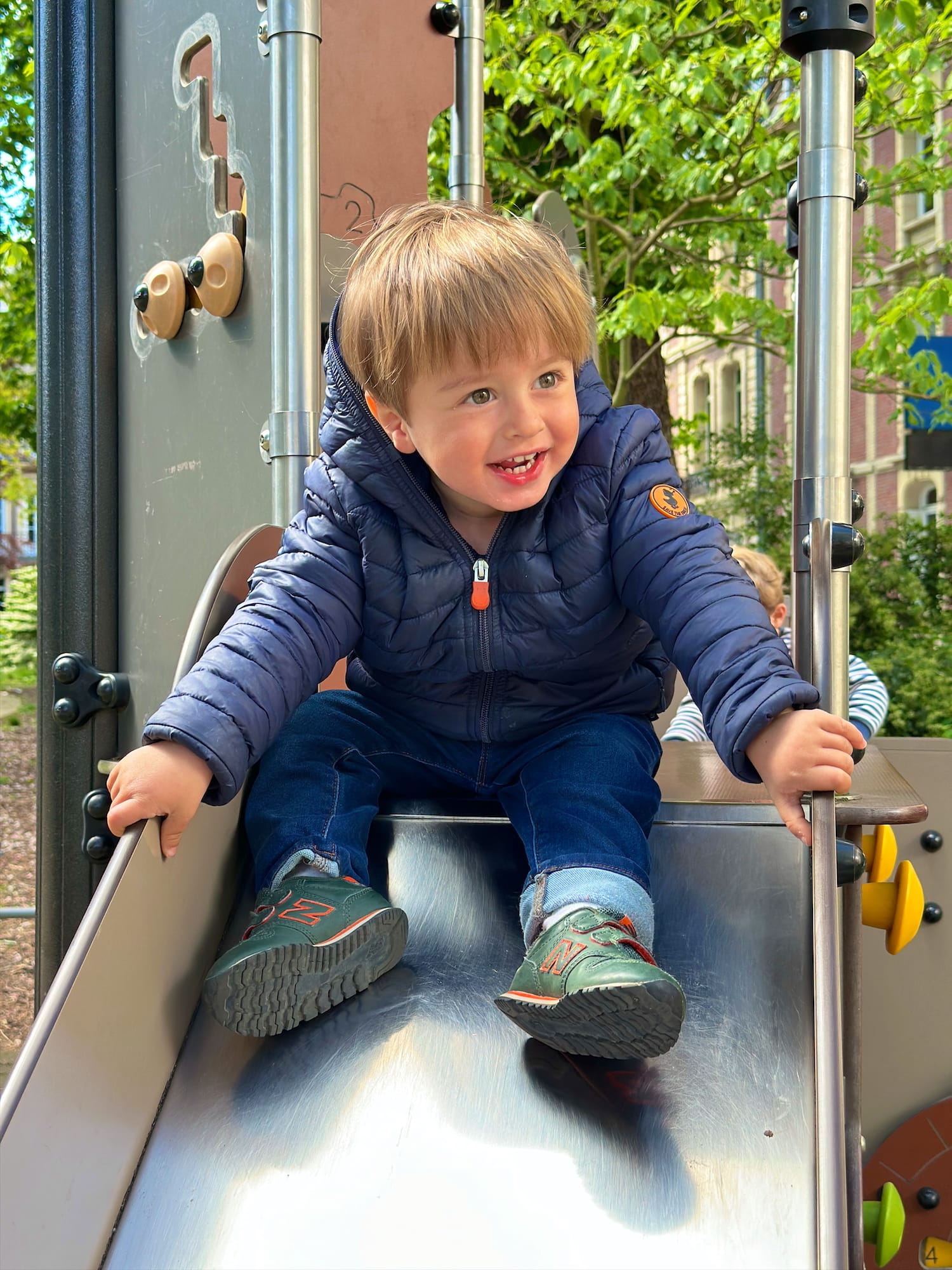
If you love art, do not miss the Musée des Beaux-Arts, one of the richest museums in France: it houses an extraordinary collection spanning from the Renaissance to Impressionism. Just a short walk away, a small playground where Enea had fun after the museum visit.

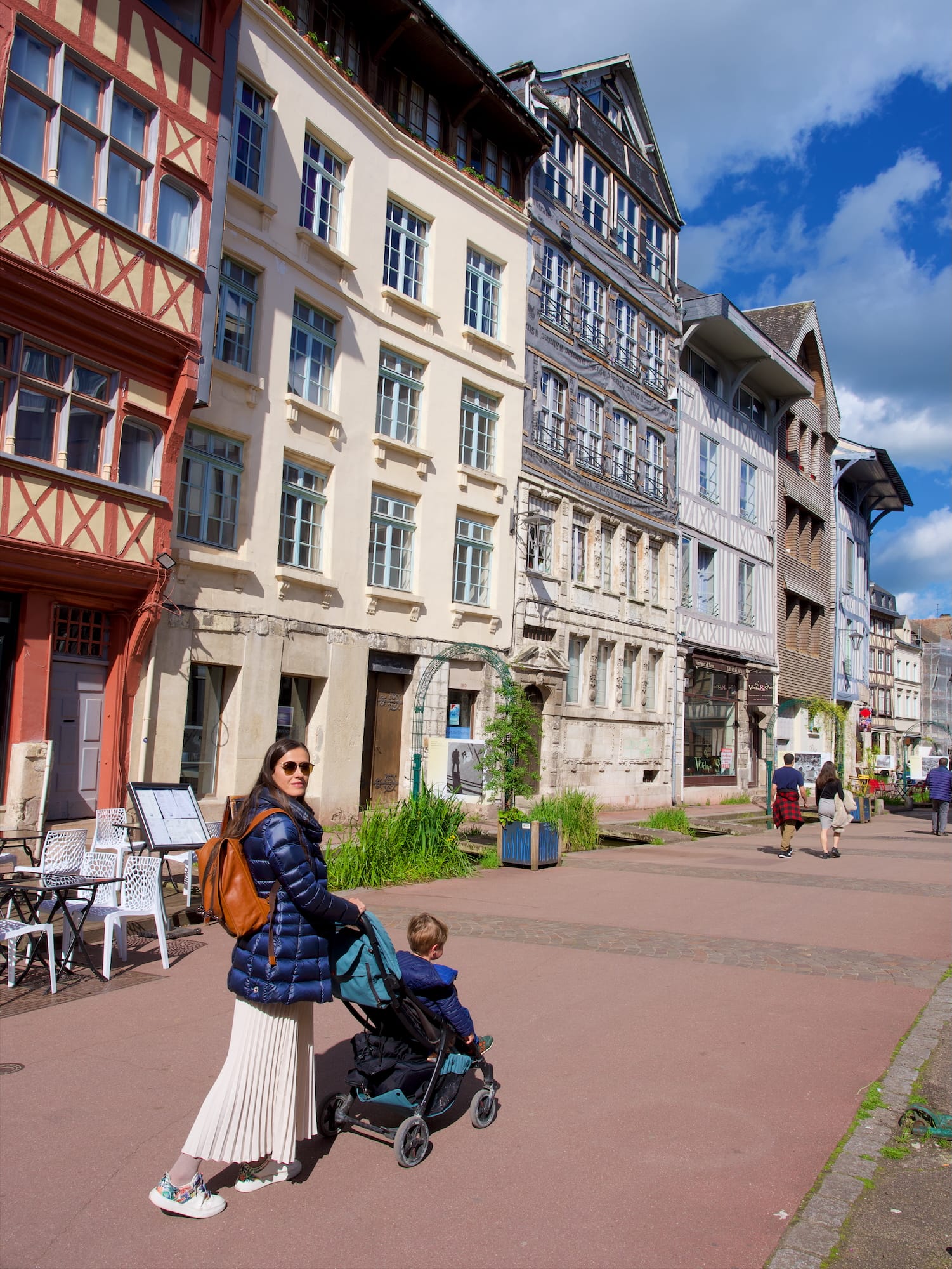
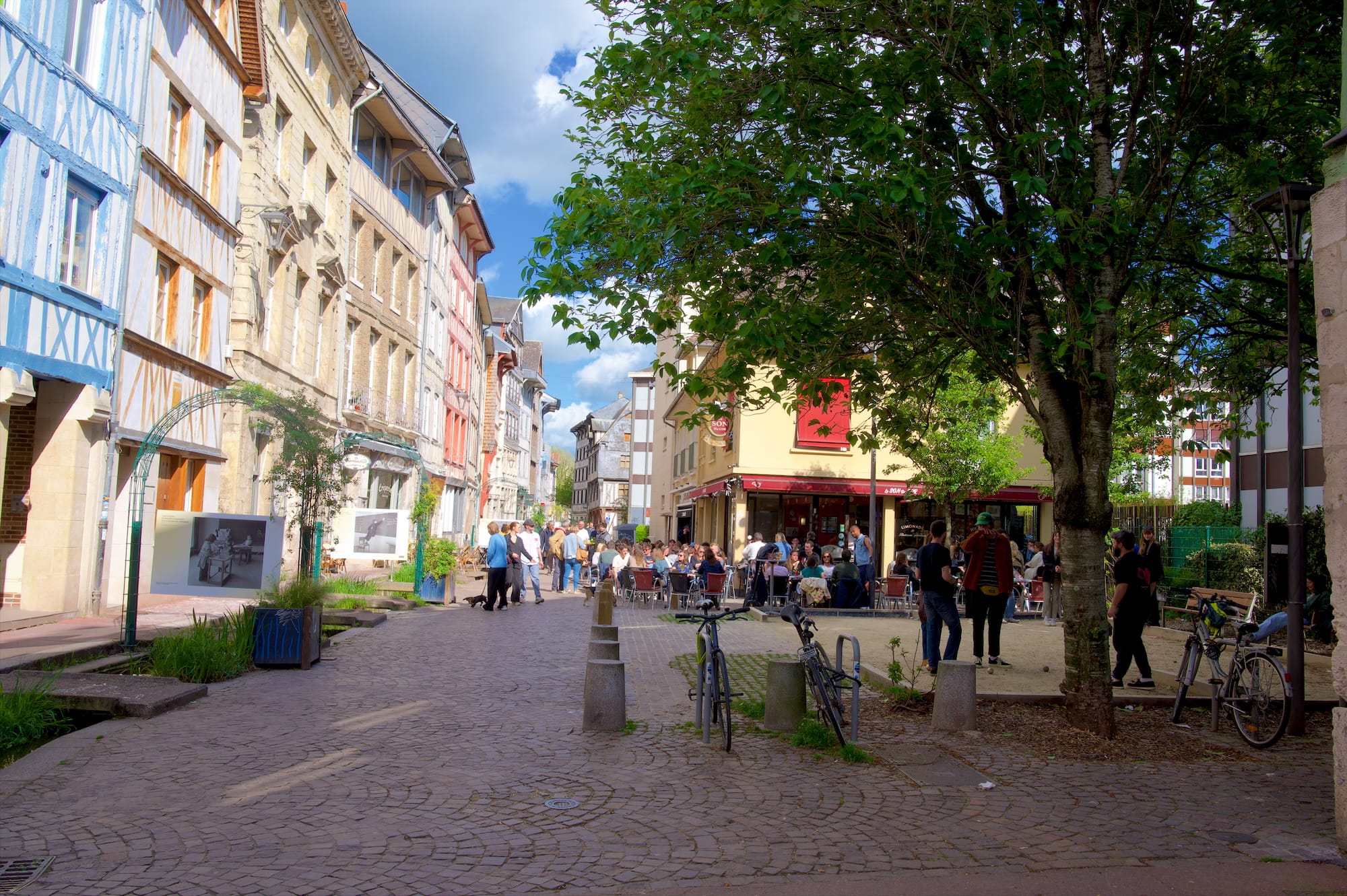
Rouen is best explored on foot, losing yourself among its cobbled lanes and discovering at every corner views that look as though they have stepped out of a history book.
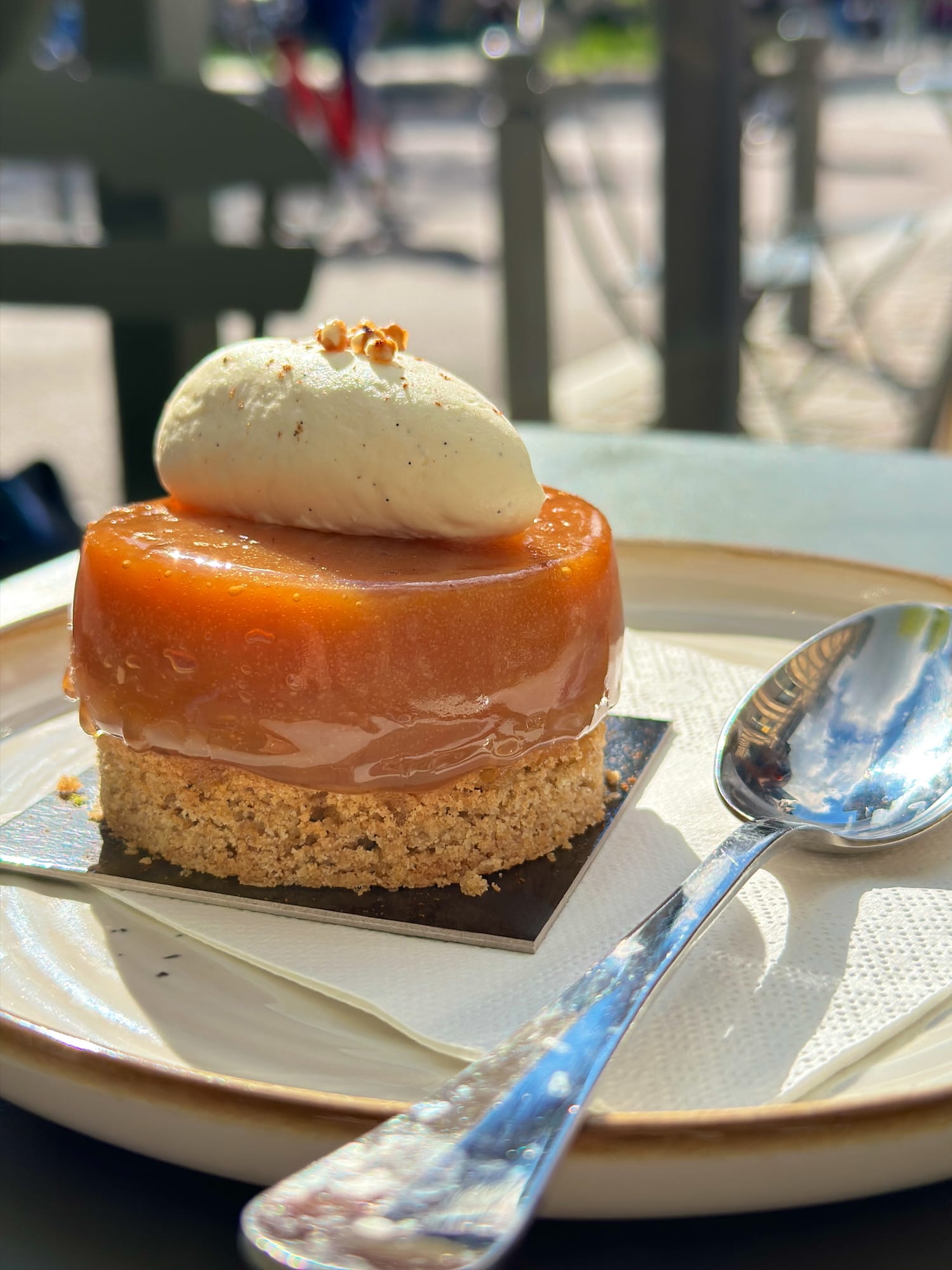
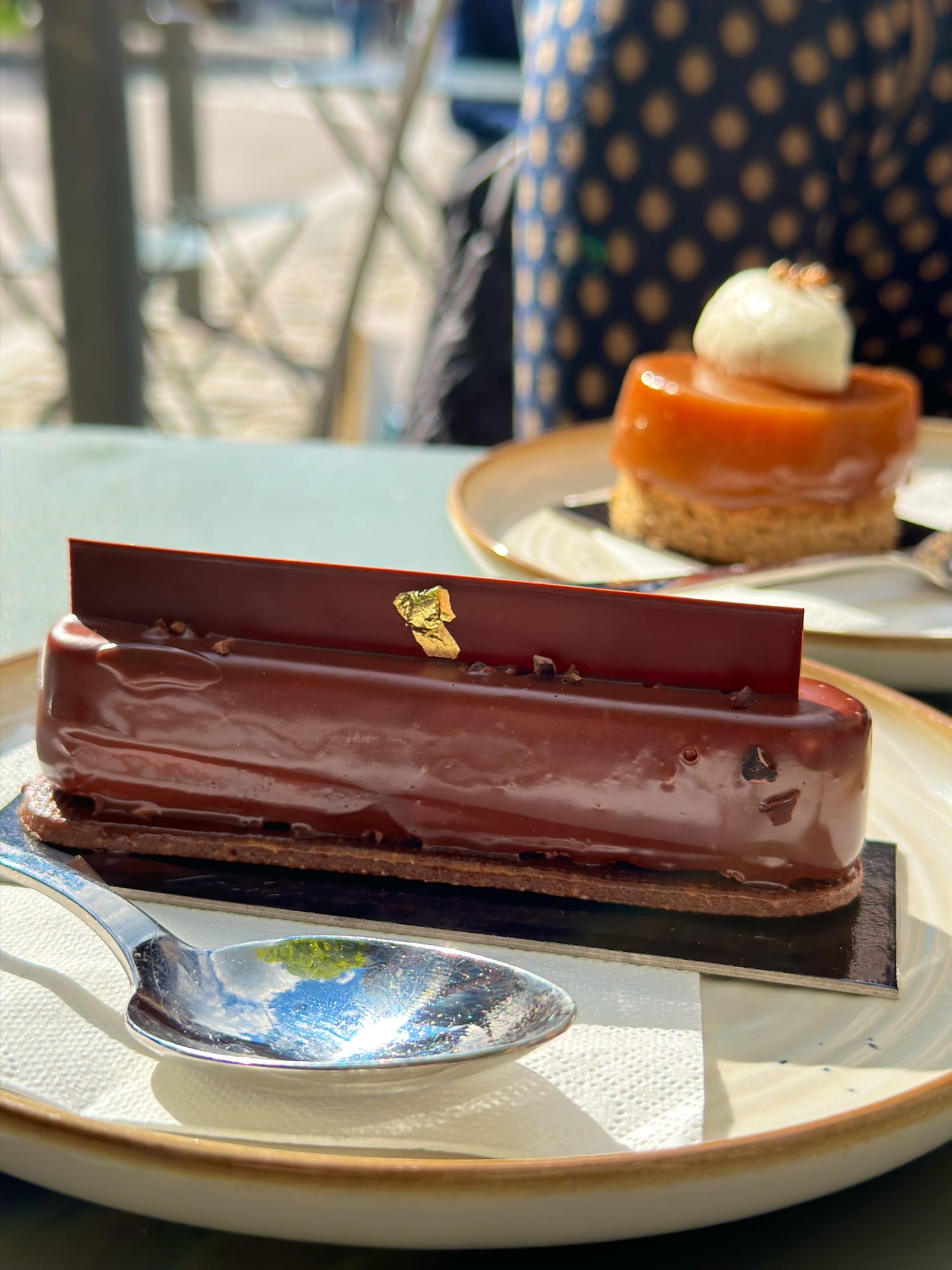
In France it is impossible to resist the lure of a patisserie window. If you want a sweet break in Rouen, we recommend Les Patisseries de Gill: the tarte tatin and the finger au chocolat are not to be missed.
Visiting time: 7h
Giverny: in Monet's house-garden
Visiting Claude Monet's house in Giverny is like stepping directly into an Impressionist painting. This small village in the Eure has become a worldwide artistic pilgrimage site thanks to the master who lived here for forty years, creating some of his most celebrated masterpieces.
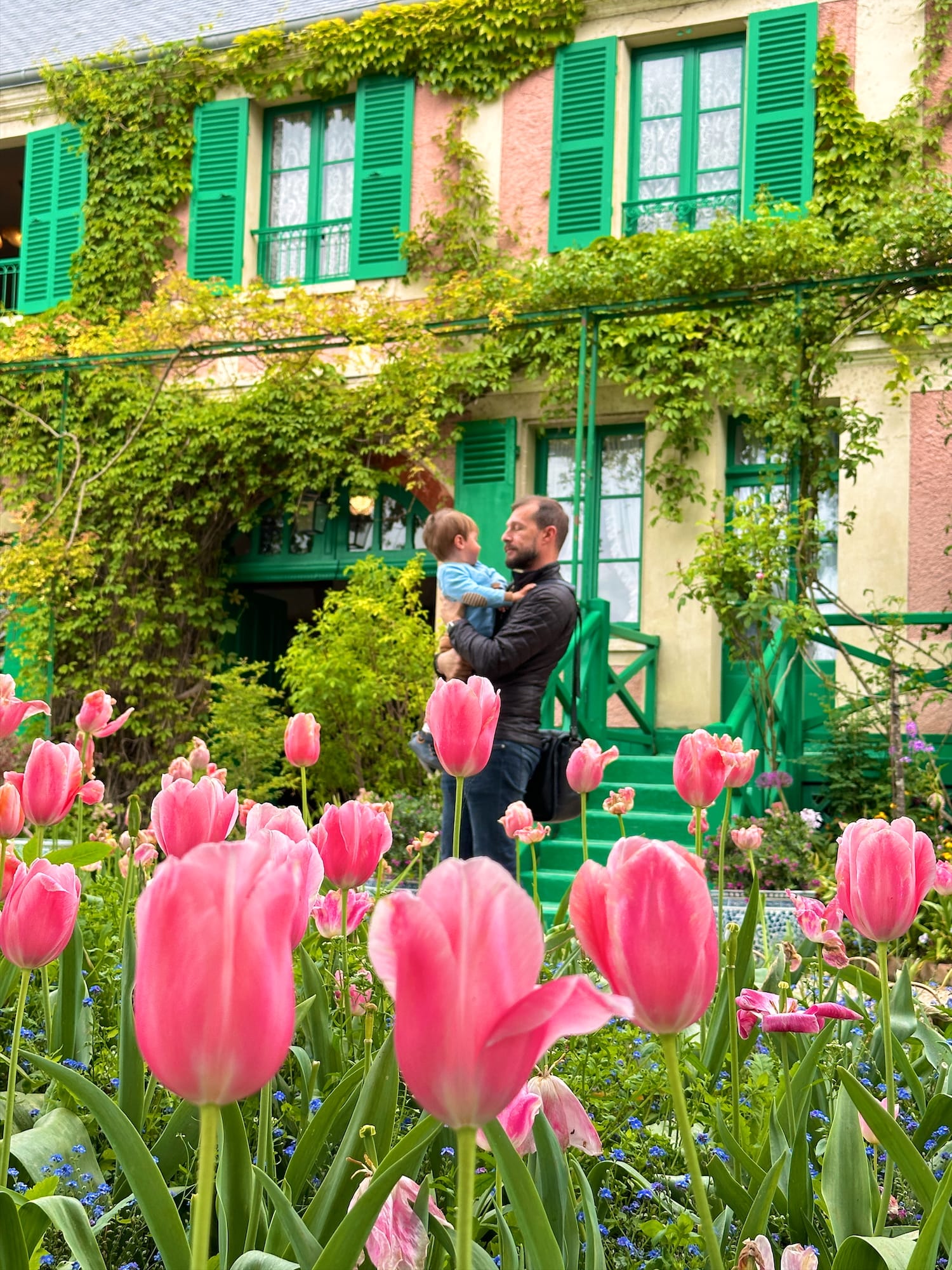
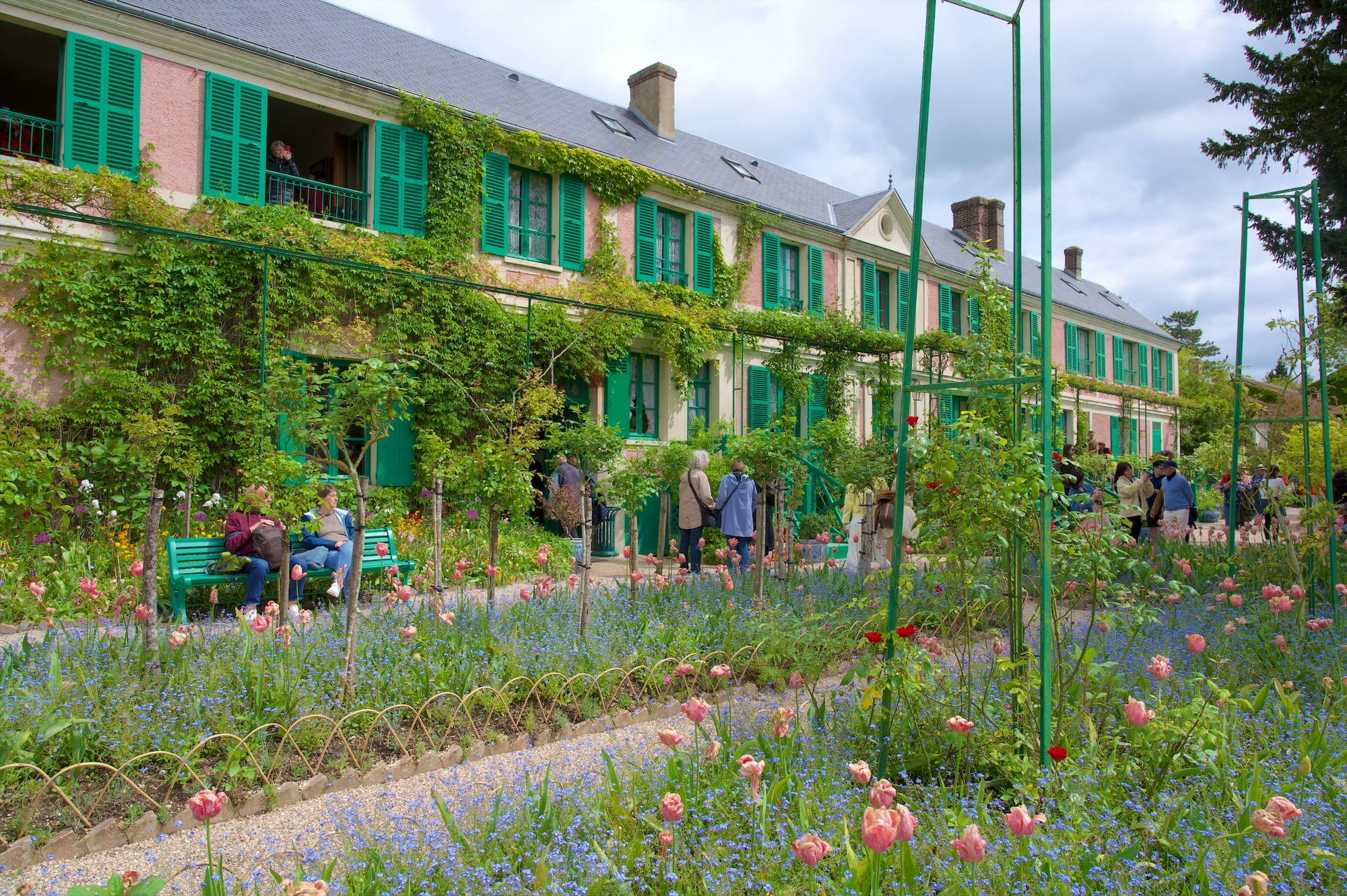
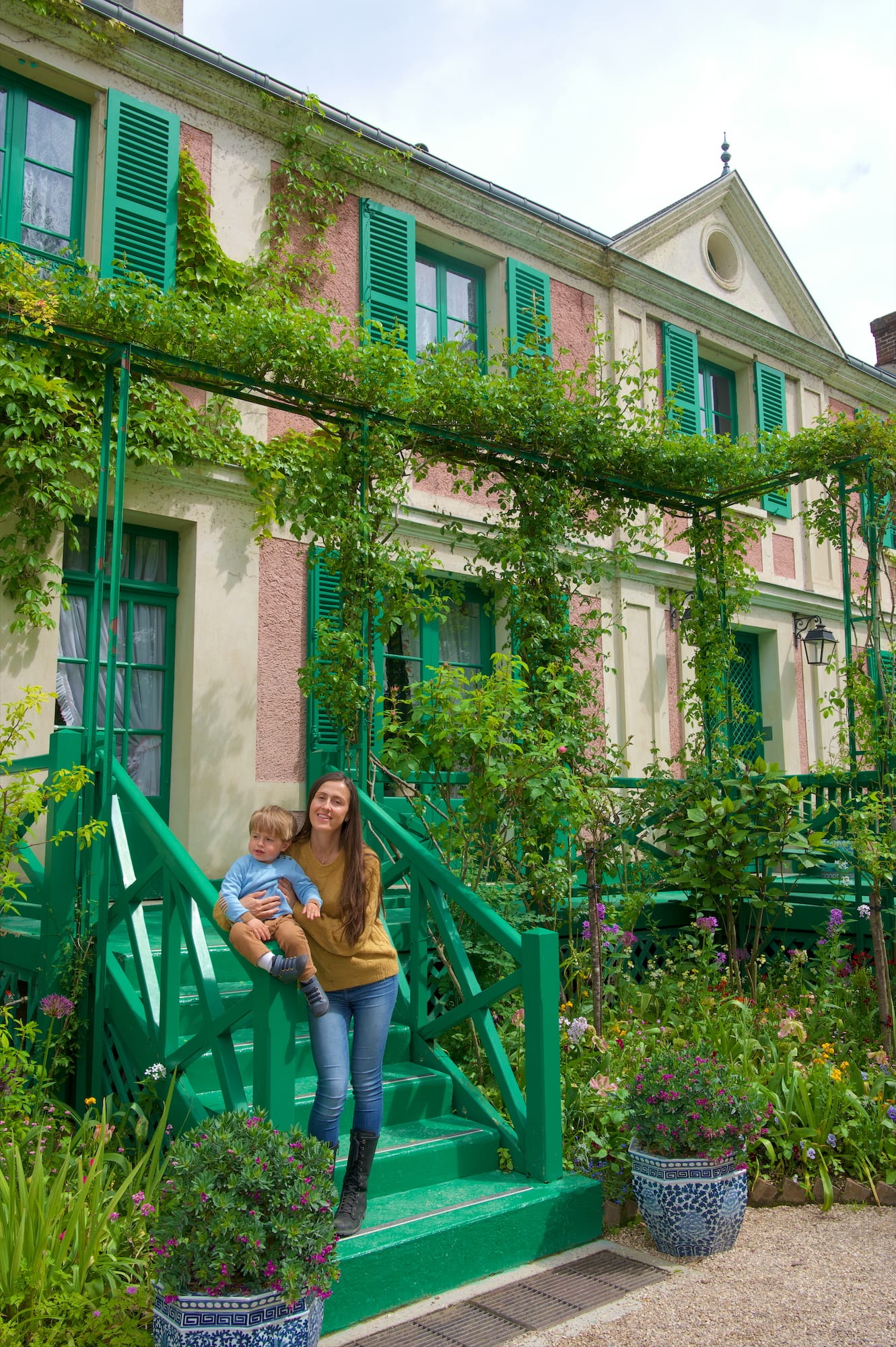
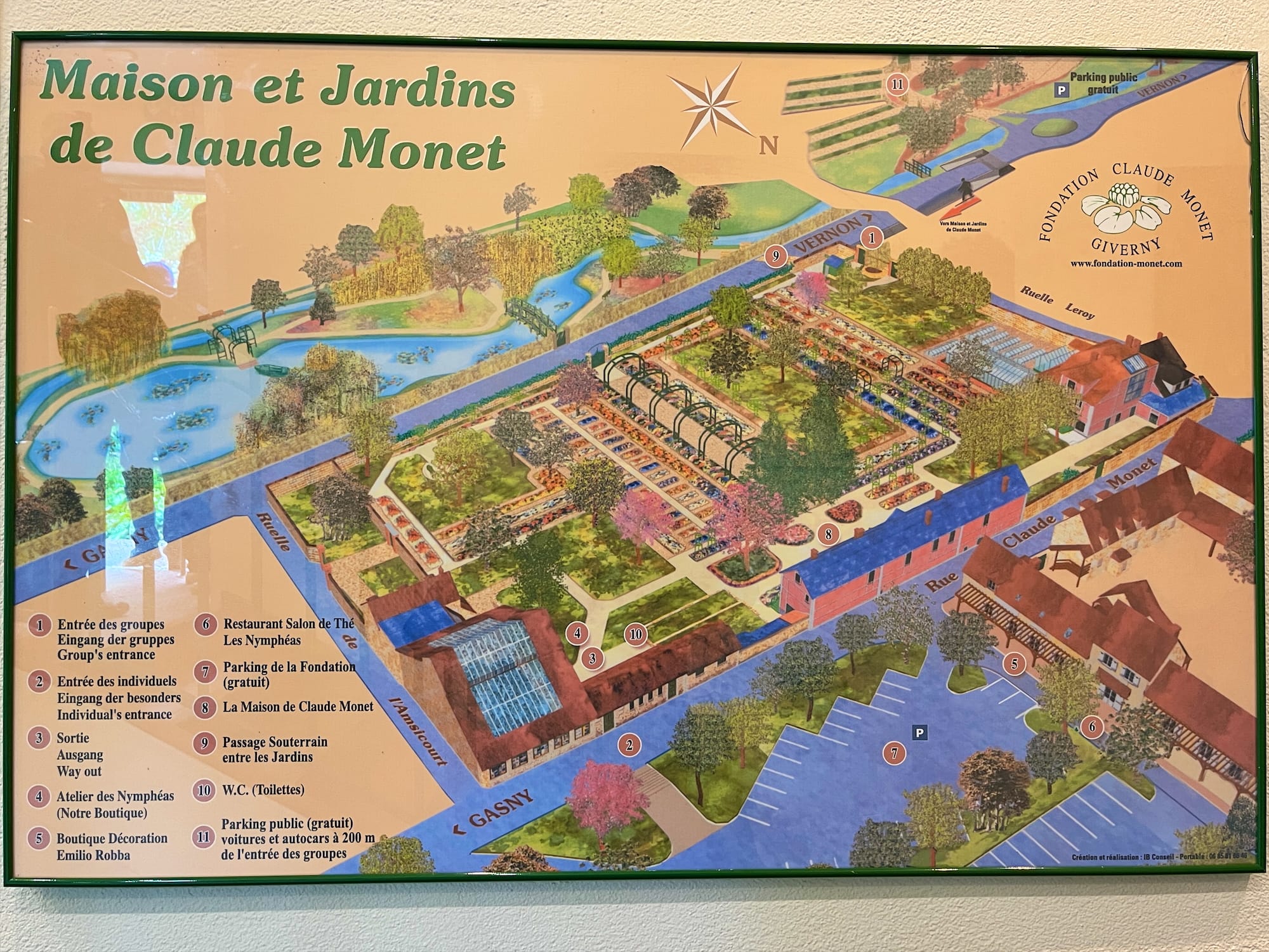
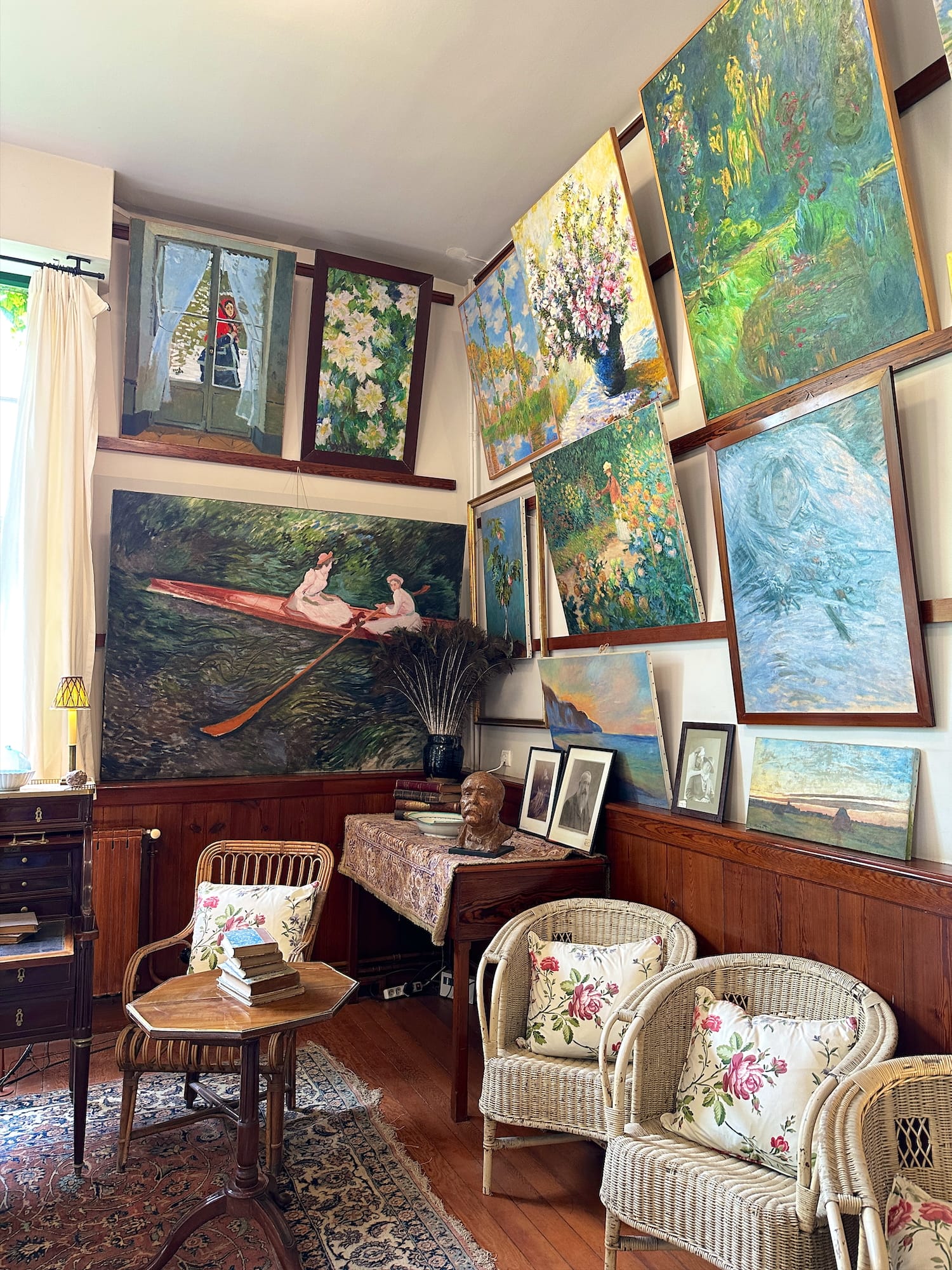
The pink house with green shutters preserves intact the charm of the era: the rooms painted in the vivid colours Monet loved, the yellow kitchen with its gleaming copper pots and the studio where the Water Lilies were created have been left exactly as the artist left them.
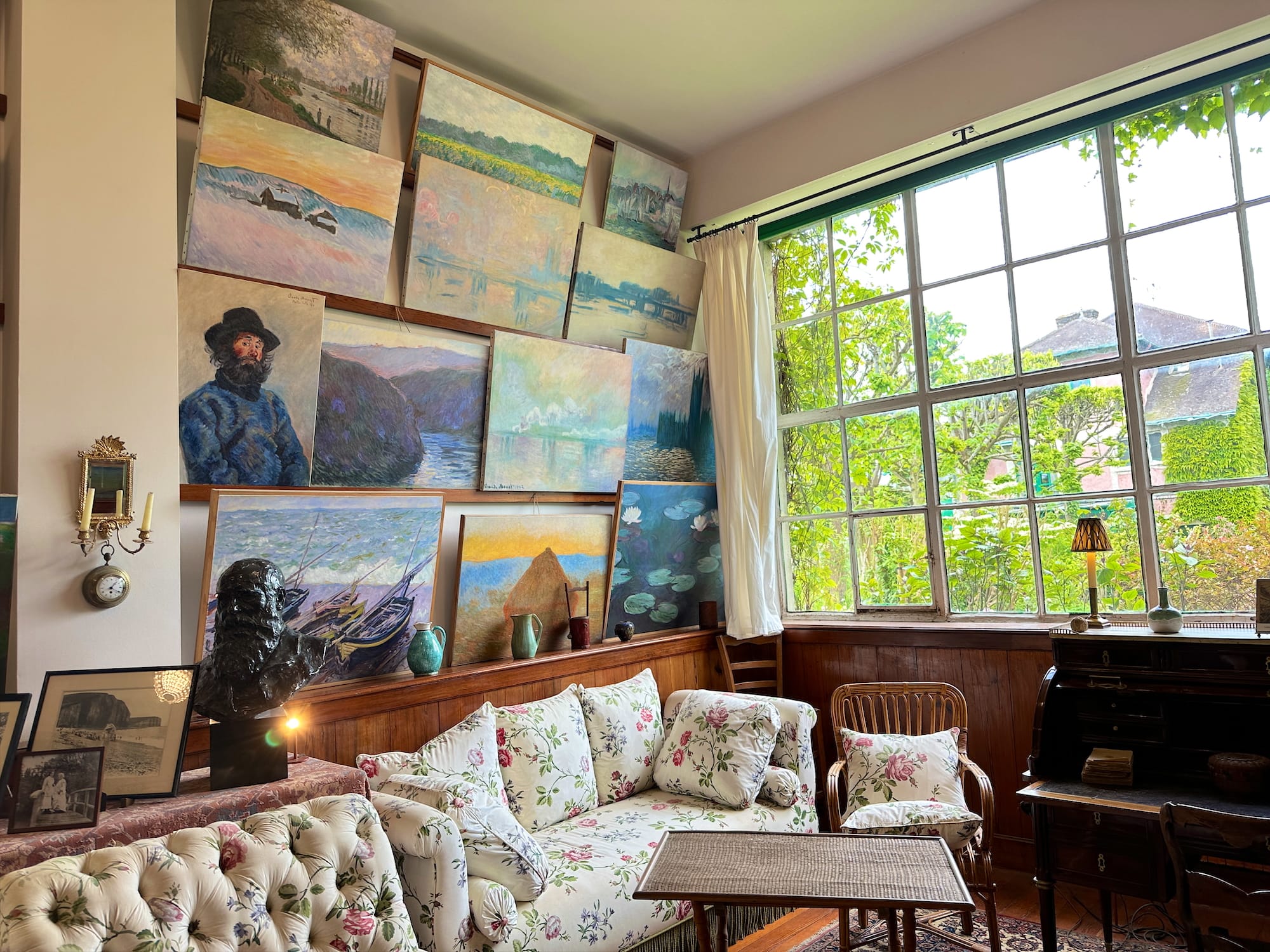
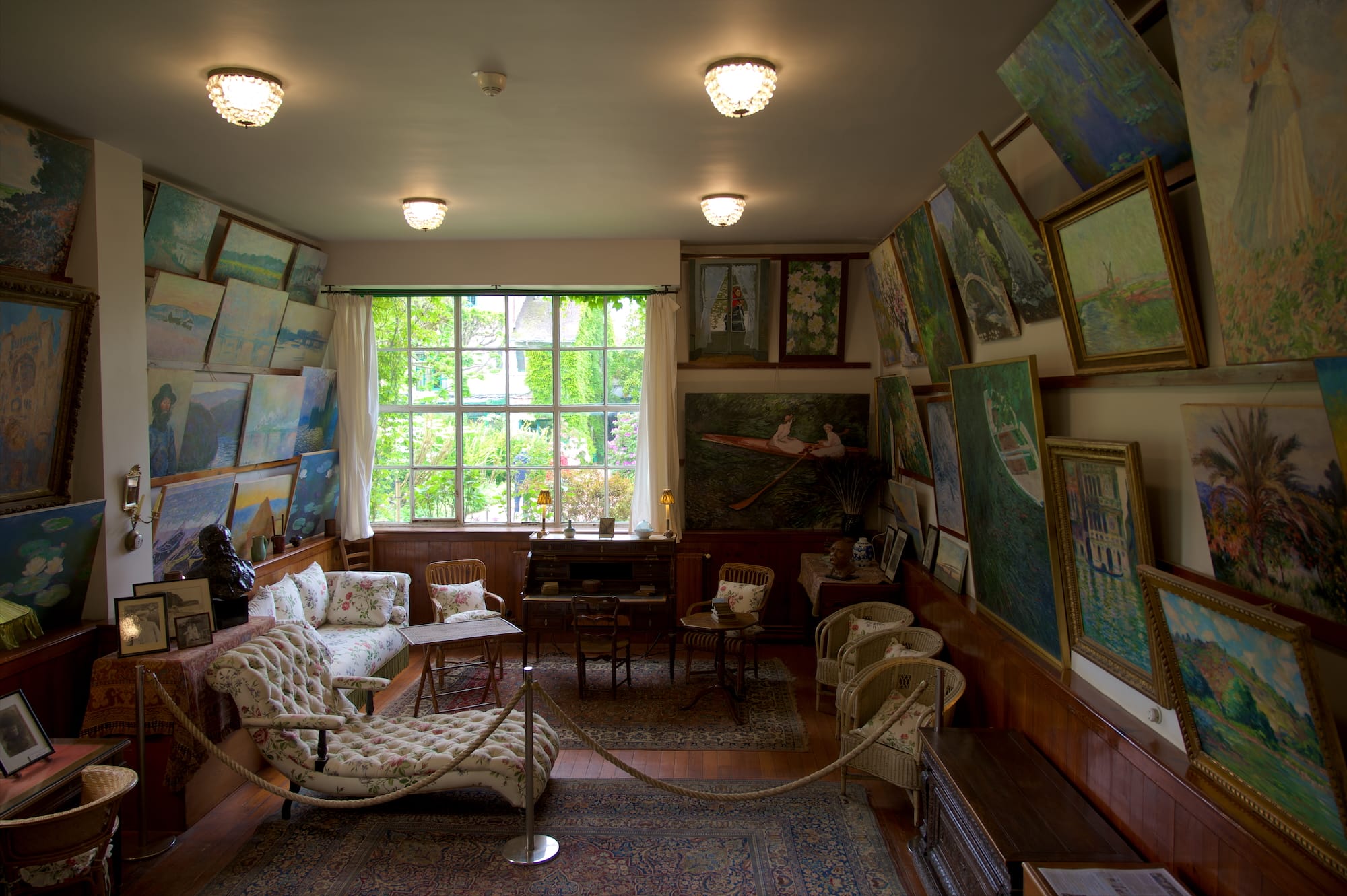
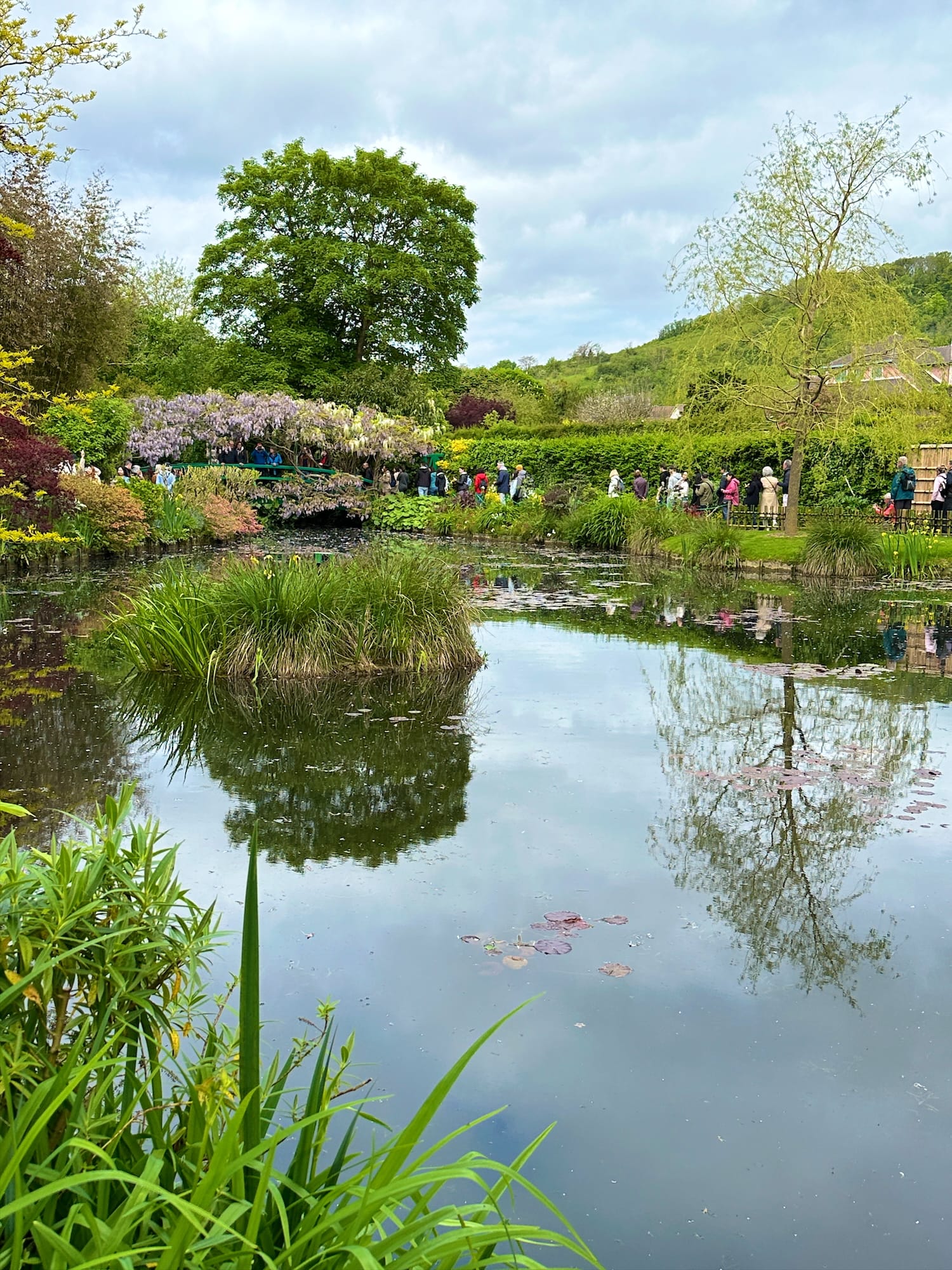
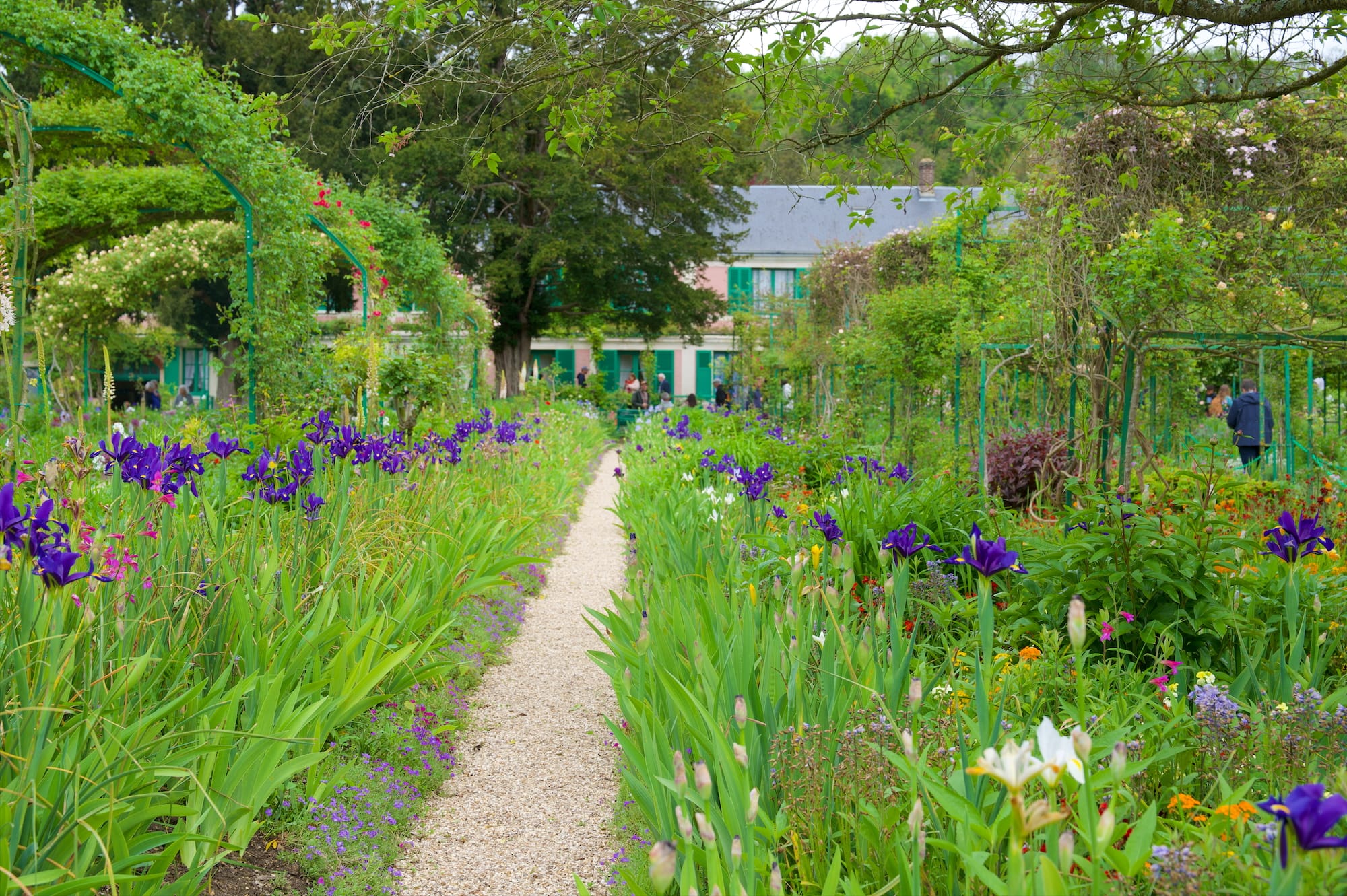
But it is in the garden that the real magic happens: the flower-lined paths with their seasonal explosions of colour, and above all the famous water garden with its Japanese bridge and floating water lilies.
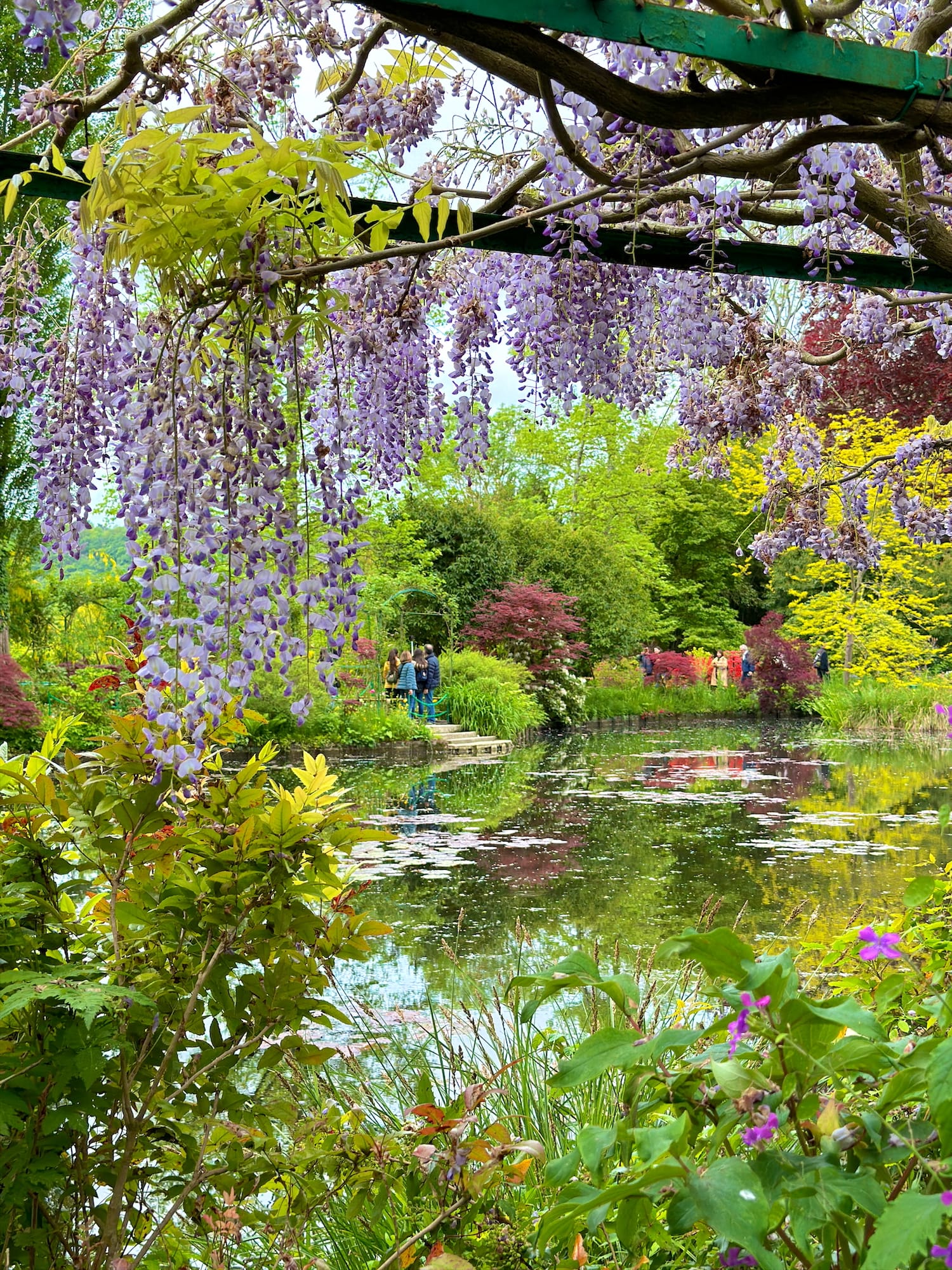
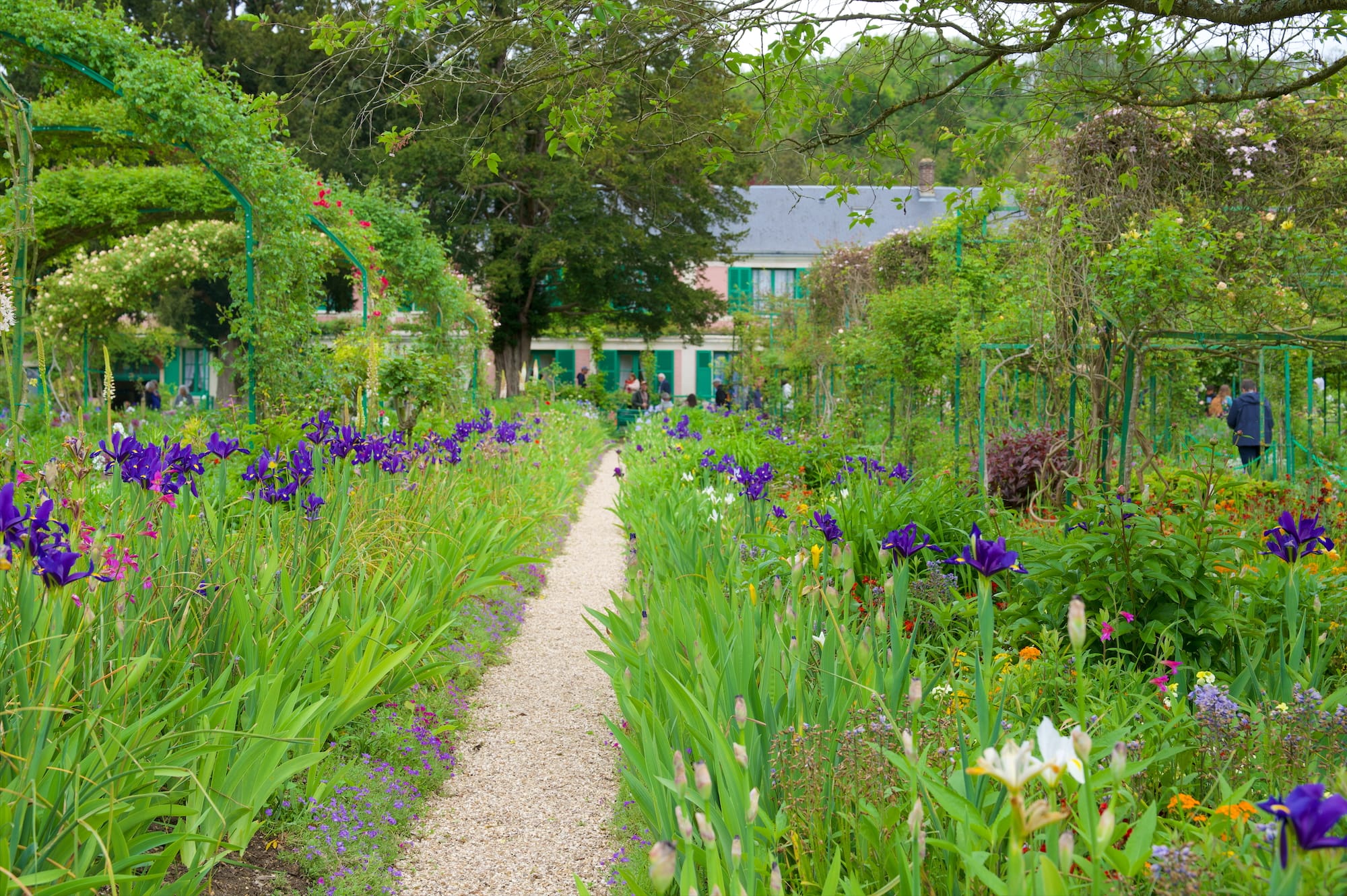
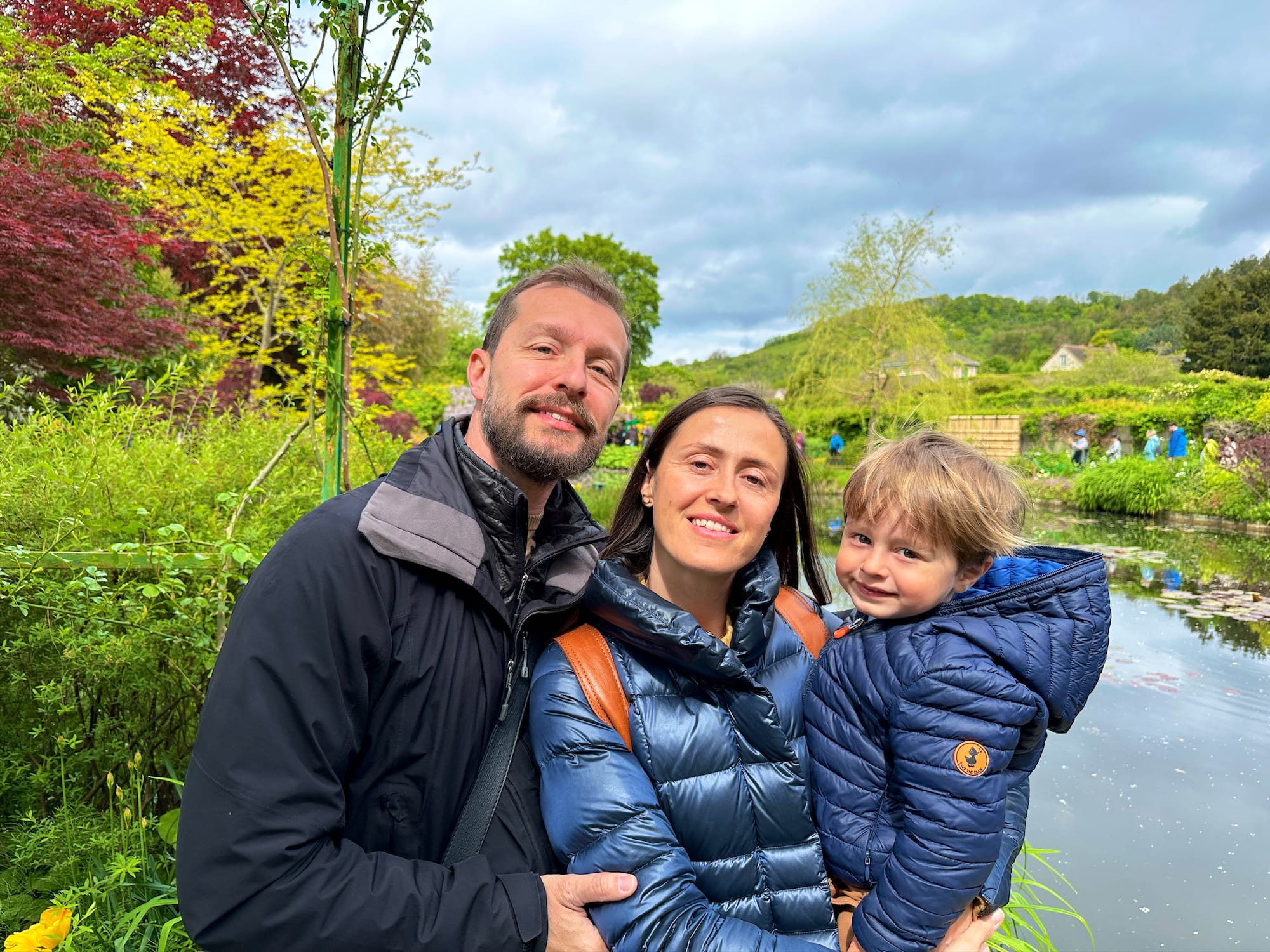
A visit to Giverny is not just a dive into art, but a complete sensory experience that engages sight, smell and that particular emotion felt when you find yourself in the places where beauty was born.
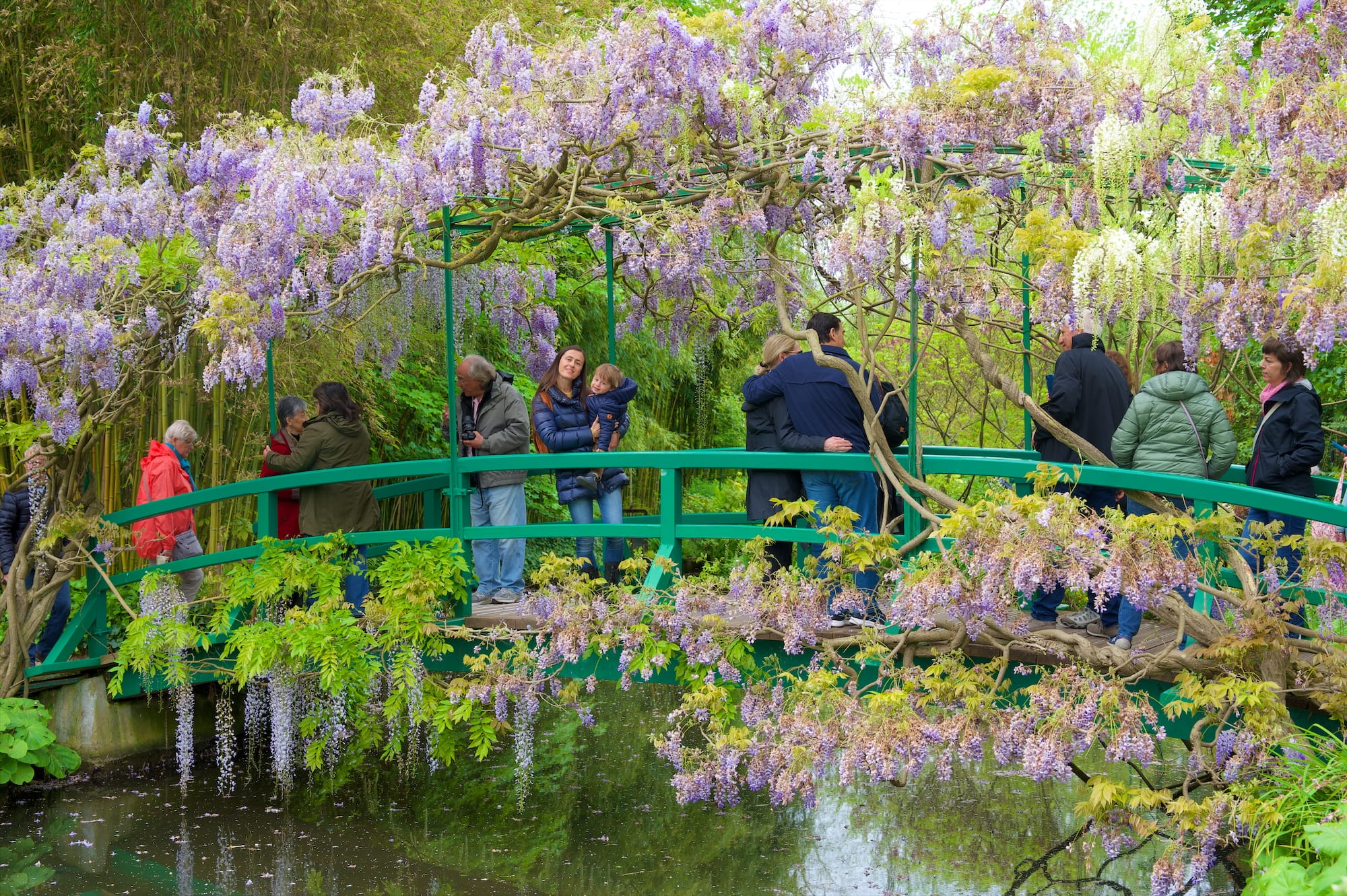
A tip: visit the garden in spring, when the colours are most intense, and if possible avoid the middle of the day, when it can be rather too crowded. Unfortunately we arrived around lunchtime and there were simply too many people.
Visiting time: 2h (+ time for photos in the queue)
Before You Leave
- Where to stay? We decided to use the following cities as our bases:
- Bordeaux-Saint-Clair: we stayed in this charming cottage not far from Étretat. The space was a little on the small side, but in a quiet and convenient location for reaching the magnificent cliffs.
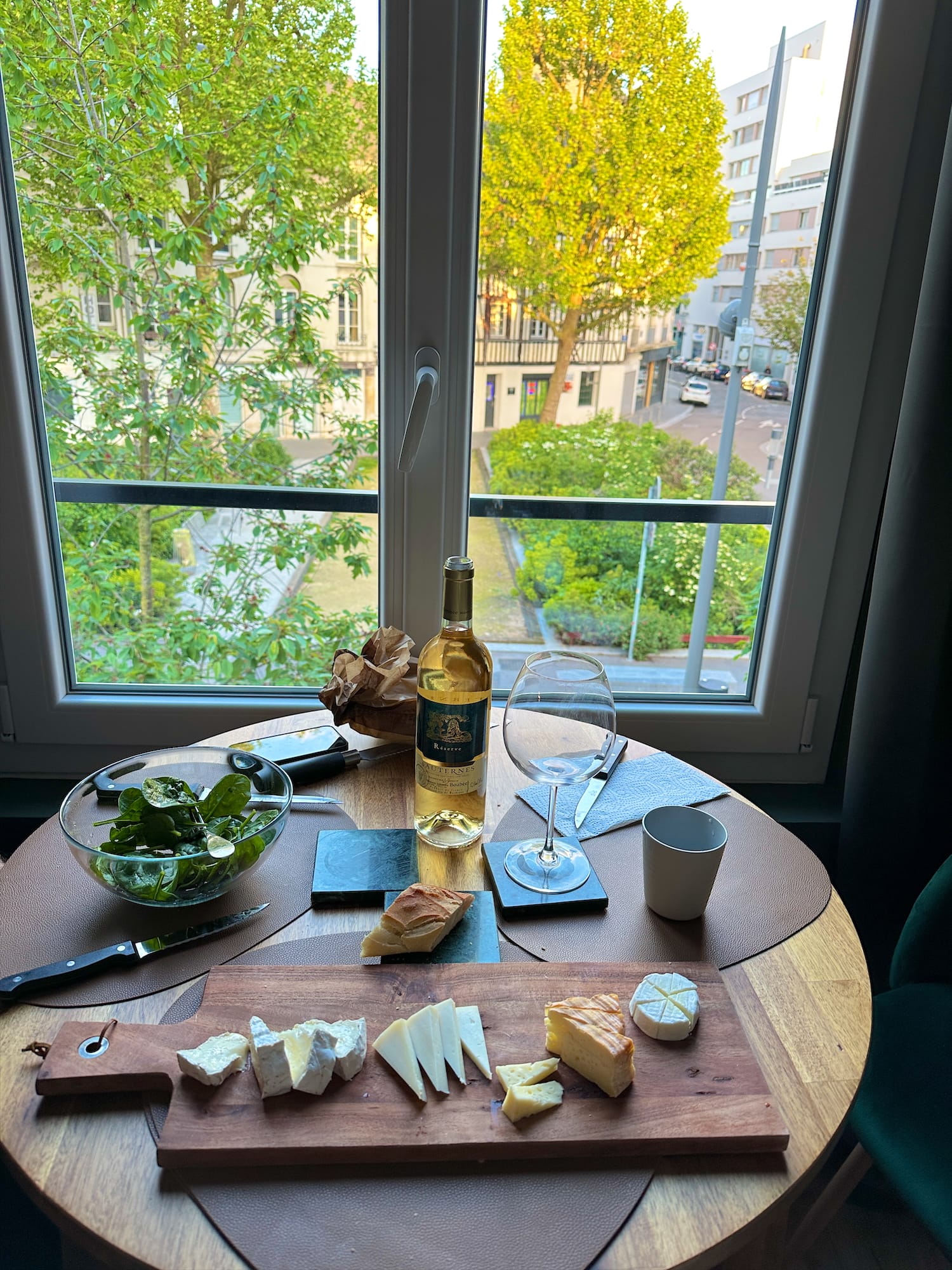
- Rouen: here we had a modern apartment in a strategic location for exploring the city on foot. Fully renovated and well equipped, it had everything we needed, including a pleasant view over one of the city's quiet little squares.
- Where to eat? Here are the restaurants we have fond memories of:
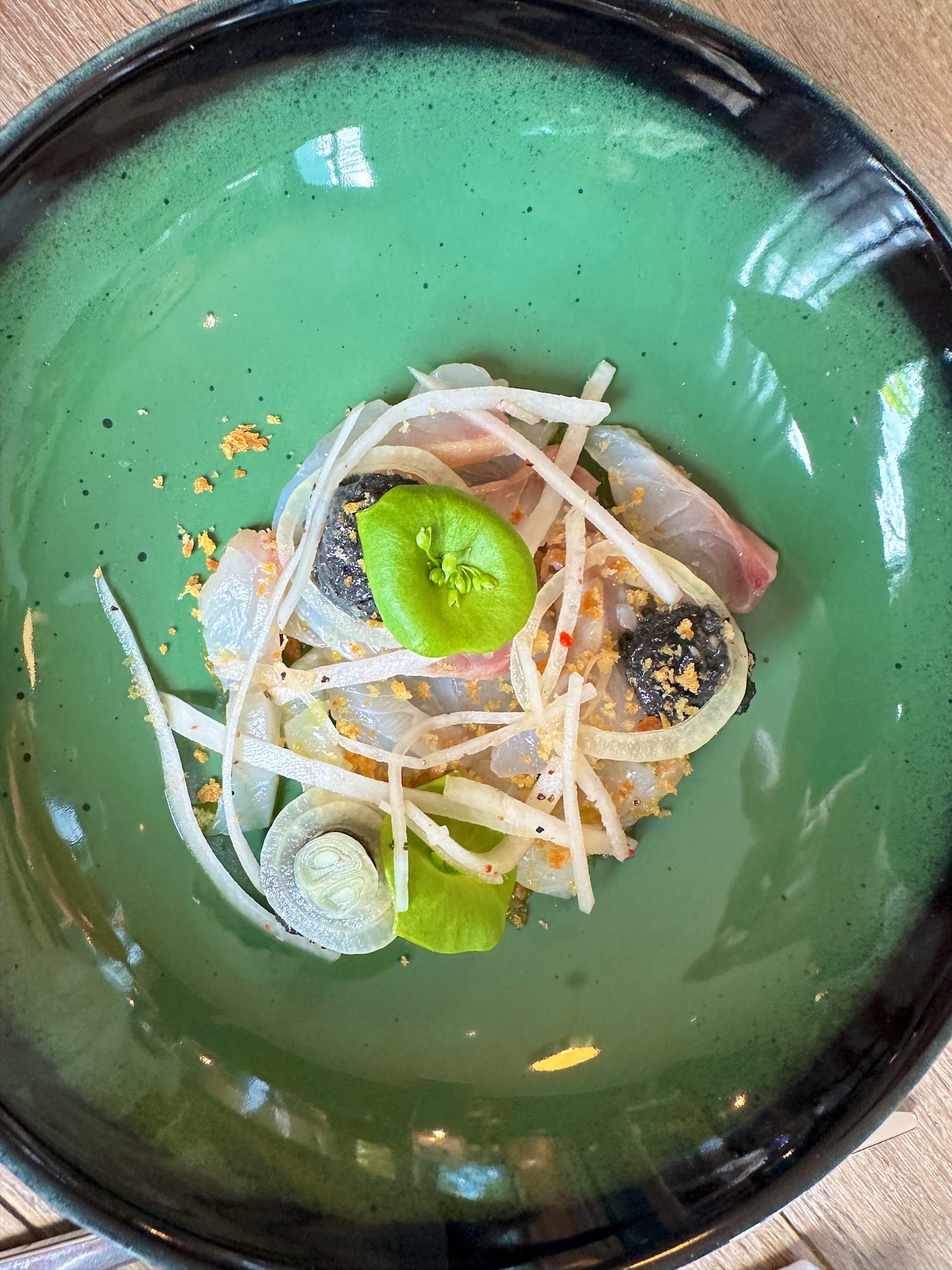
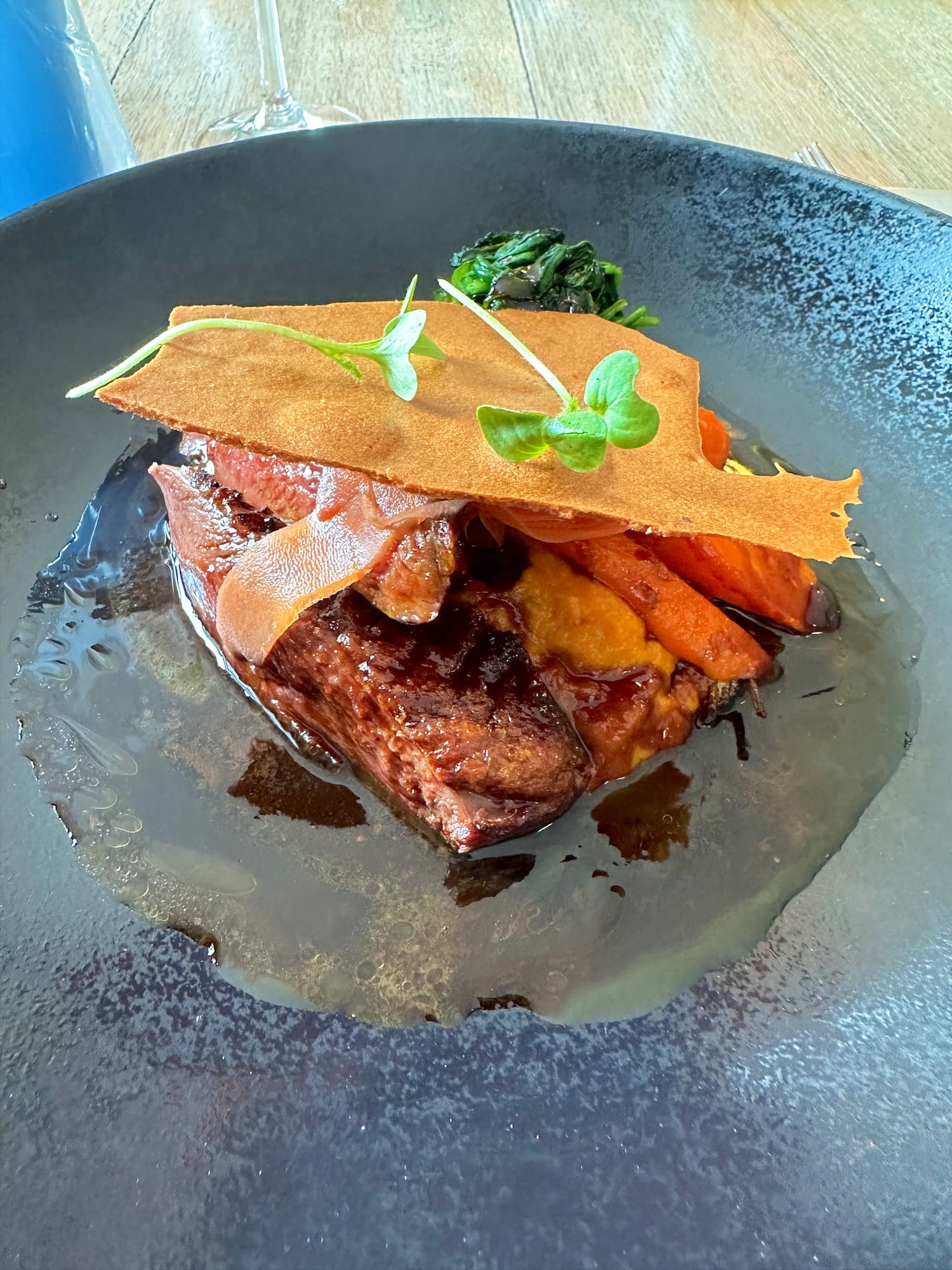
- in Le Havre we recommend Le Margote, which offers an attractively priced lunch menu with refined dishes in a modern setting.
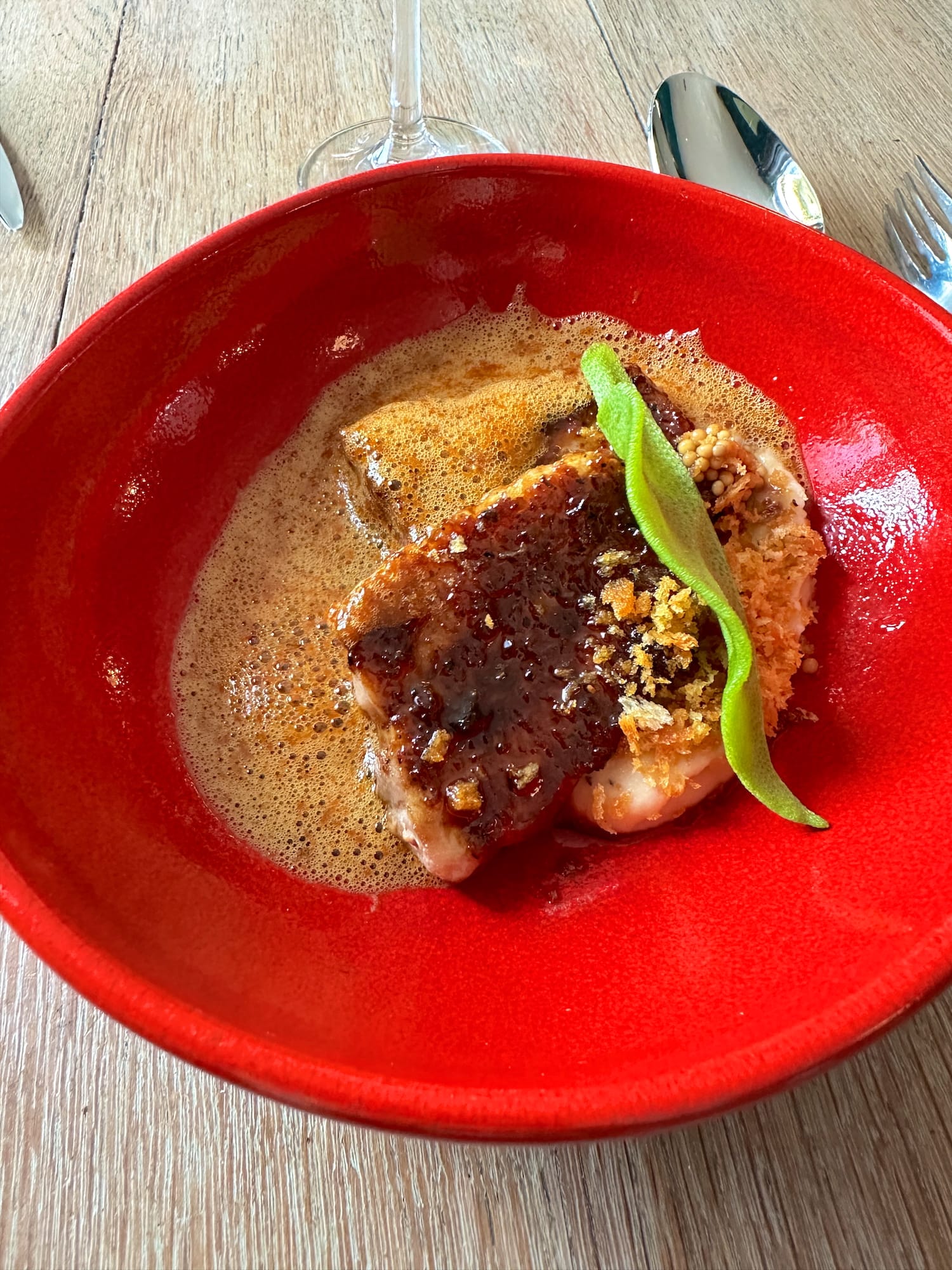
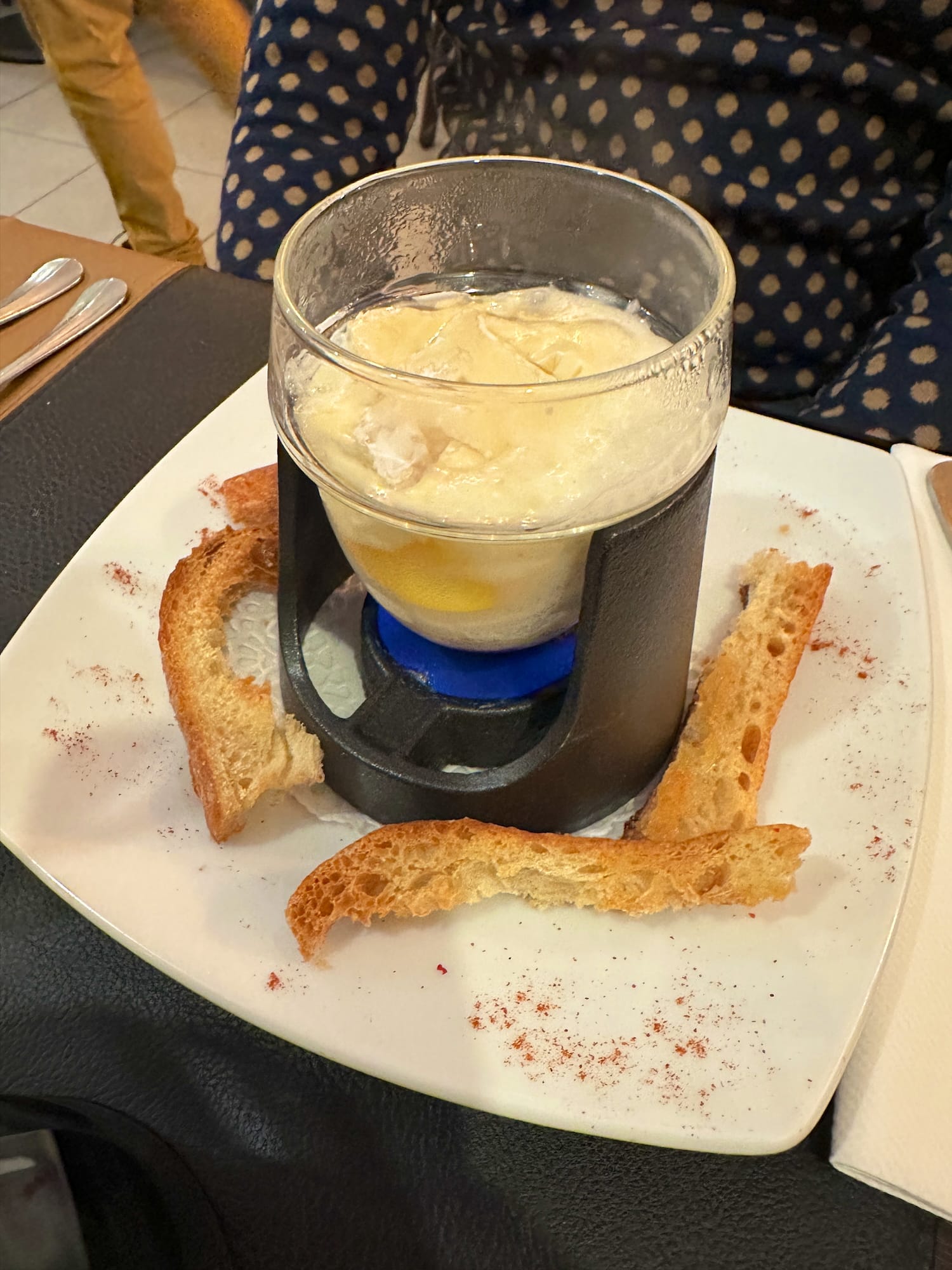
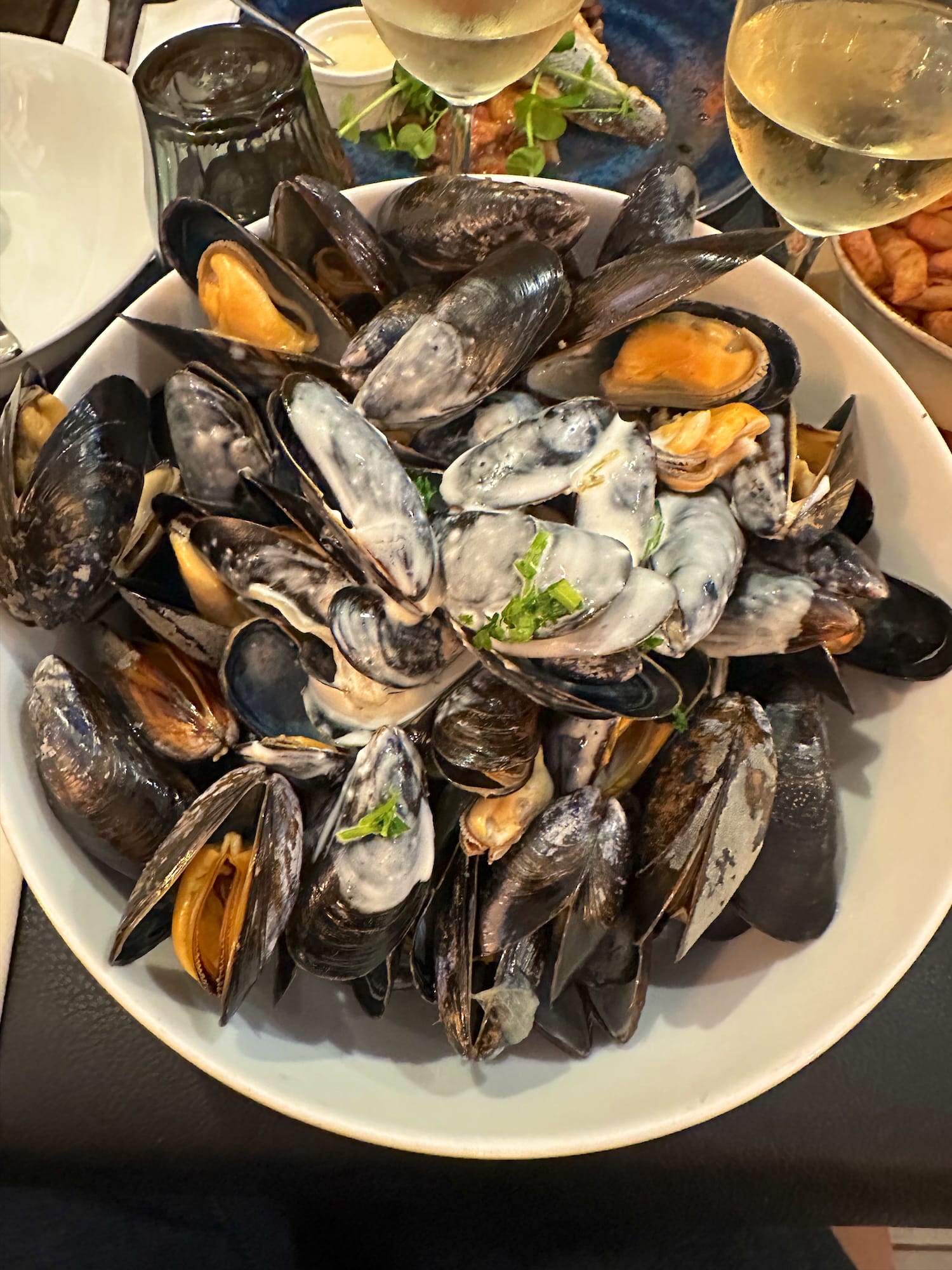
- in Étretat you must not miss Le Bistretatais: they serve local dishes we were delighted by, such as the slow-cooked egg and the mussels.

- in Rouen we went to L'Incontournable: well-executed dishes, but it did not leave a particularly strong impression. A central option for a quick lunch in front of the Church of Saint Joan of Arc.
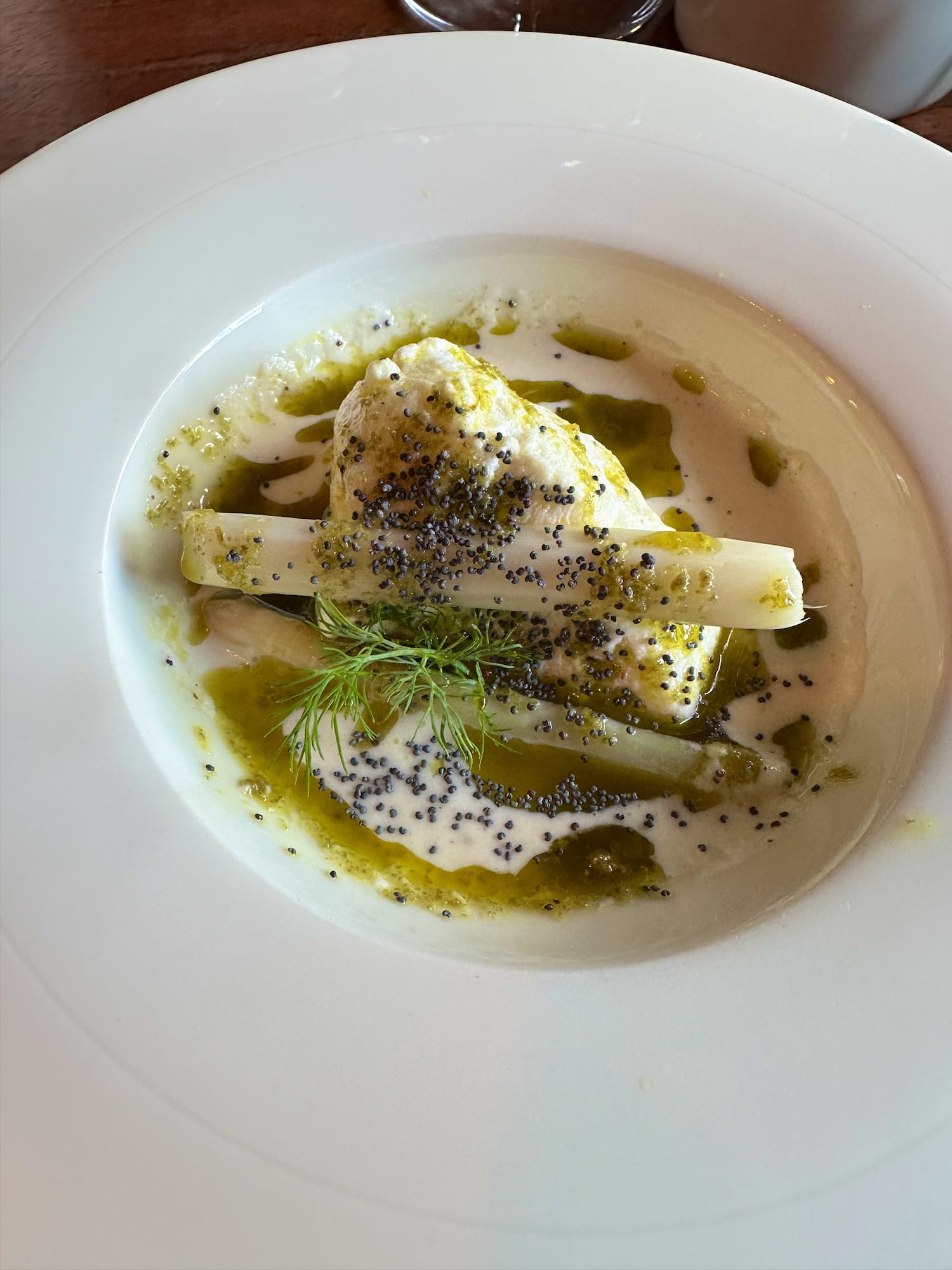
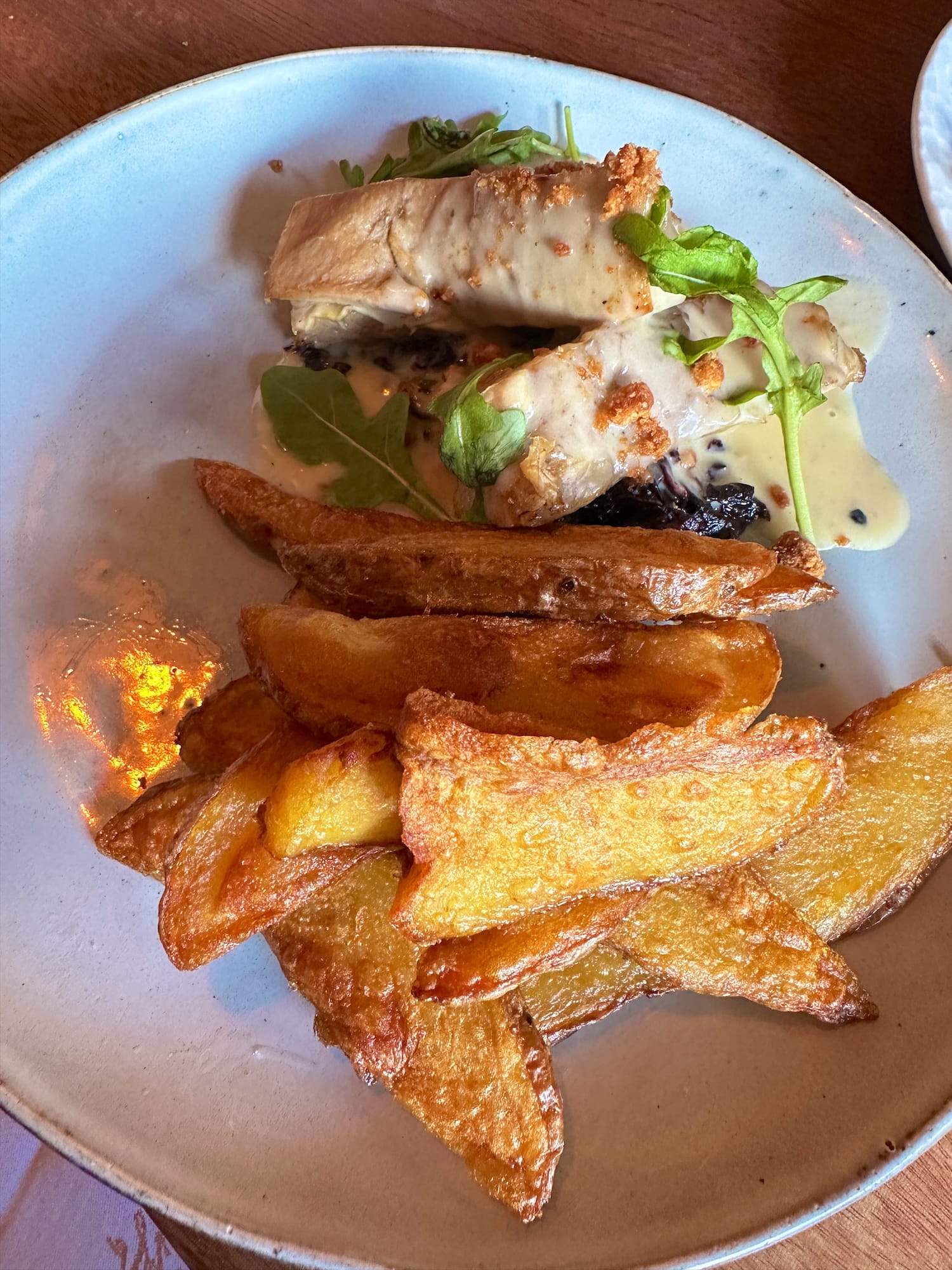
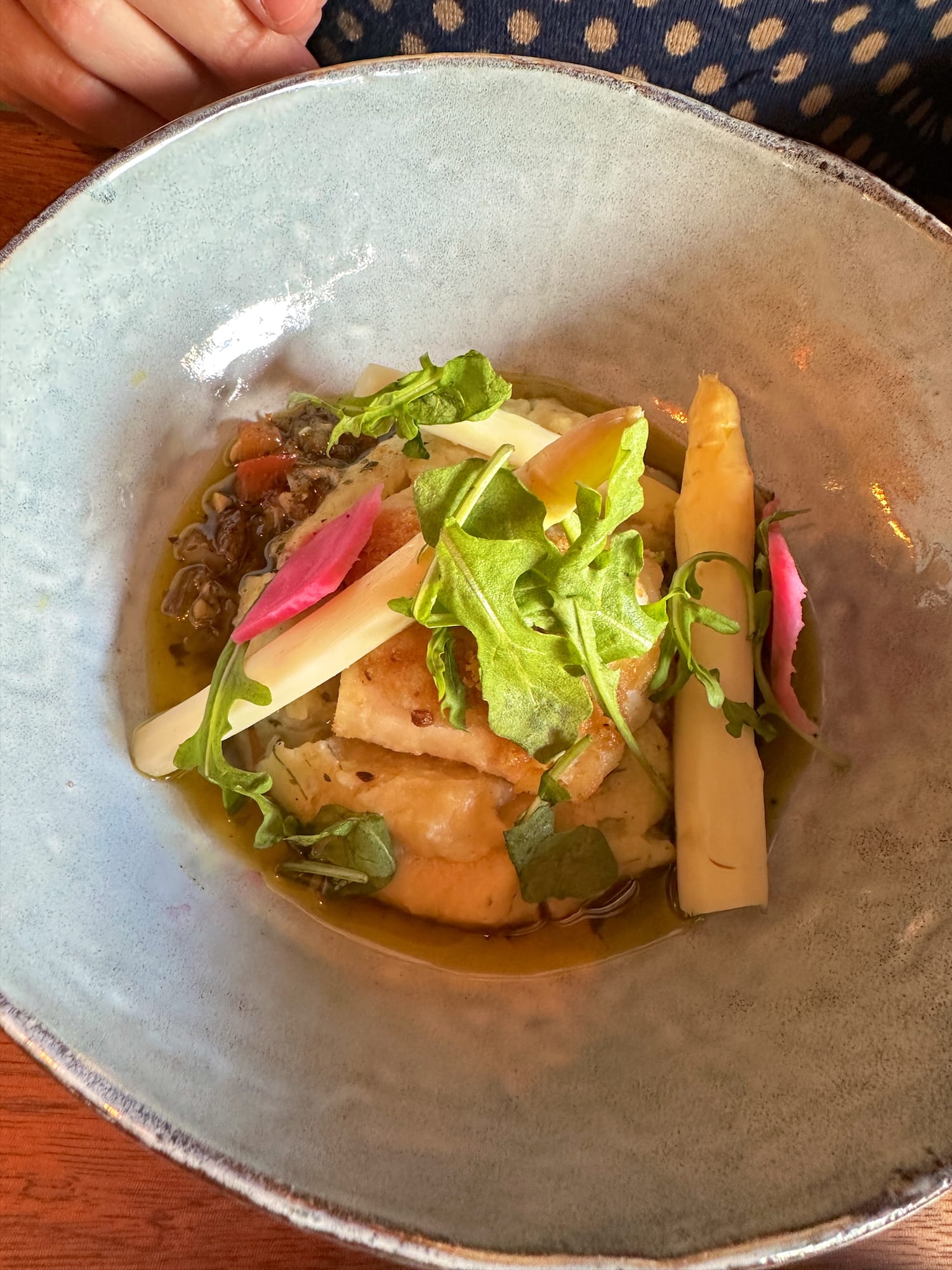
- in Le Havre we recommend Le Margote, which offers an attractively priced lunch menu with refined dishes in a modern setting.
Comments